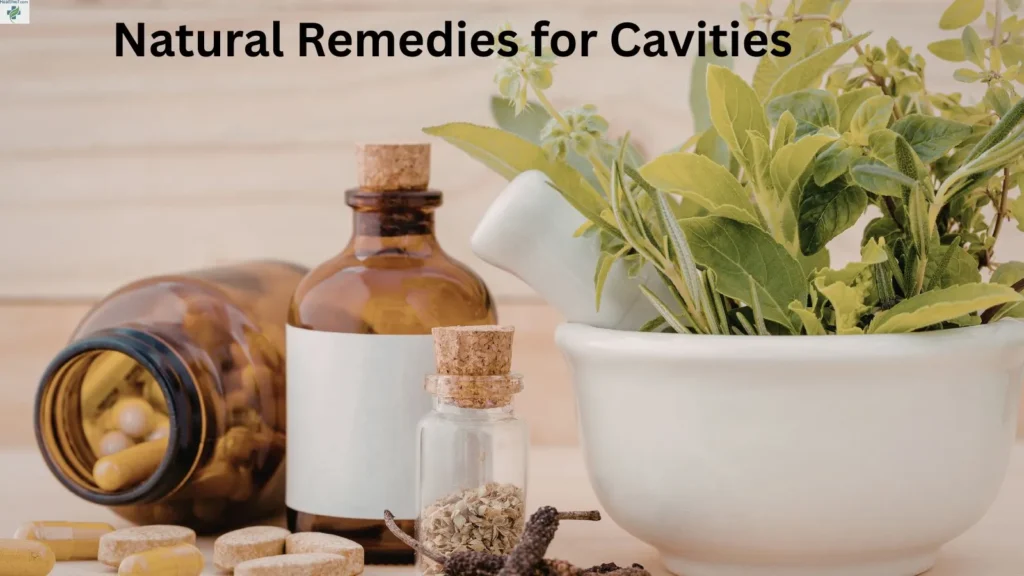
A sudden tooth twinge can ruin your day. Even worse, it may signal enamel decay. While fillings remain the gold standard, many people explore natural remedies for cavities to support oral health in early stages. But do they really work?
Let’s examine evidence-based options, benefits, risks, and when professional care becomes essential.
RELATED:Natural Remedies for Swollen Gums: Safe Home Relief
What Are Cavities?
Cavities, also called dental caries , are tiny holes in teeth caused by acid-producing bacteria. These microbes feast on sugar and starch, forming plaque that erodes enamel.
Over time, untreated decay penetrates deeper layers. That is why early action matters.
Causes of natural remedies for cavities
Understanding causes helps prevent progression.
Common Causes
- Frequent sugary snacks
- Poor oral hygiene
- Dry mouth (low saliva flow)
- Acidic drinks like soda
- Weak enamel genetics
Saliva normally neutralizes acid. However, constant sugar exposure overwhelms this defense. Eventually, enamel demineralization begins.
Symptoms of Natural Remedies for Cavities
Early cavities may hide silently. Yet warning signs often emerge.
Watch for:
- Tooth sensitivity to cold or sweets
- Visible dark spots
- Mild, intermittent toothache
- Rough surface on enamel
- Persistent bad breath
If decay spreads to dentin, pain intensifies. At this stage, natural remedies for cavities alone cannot reverse structural damage.
Can Natural Remedies for Cavities Really Work?
Here’s the truth: natural approaches may help in early enamel demineralization. However, they cannot repair deep holes.
Still, certain remedies support remineralization and oral microbiome balance.
Top Natural Remedies for Cavities
1. Oil Pulling
Ancient Ayurvedic practice suggests swishing coconut oil for 10–15 minutes.
Benefits:
- Reduces harmful bacteria
- Improves gum health
- Lowers plaque buildup
Safety:
Generally safe. Avoid swallowing oil. Spit into trash to prevent drain clogging.
2. Fluoride-Free Remineralizing Toothpaste
Some prefer hydroxyapatite toothpaste, a mineral that mimics enamel.
Uses:
- Strengthens weak enamel
- Reduces sensitivity
- Supports early cavity reversal
Hydroxyapatite is considered a promising alternative in preventive dentistry
3. Xylitol
Xylitol is a natural sugar alcohol found in birch trees.
How it helps:
- Starves cavity-causing bacteria
- Stimulates saliva flow
- Reduces plaque acidity
Chew xylitol gum after meals. Excess may cause mild bloating.
4. Vitamin D and Calcium
Nutrition shapes tooth resilience.
Low vitamin D links to higher cavity risk. Adequate intake supports calcium absorption.
Foods to consider:
- Fatty fish
- Egg yolks
- Leafy greens
- Dairy or fortified alternatives
Balanced diet strengthens enamel from within.
5. Saltwater Rinse
Simple yet effective.
Salt reduces inflammation and limits bacterial growth. Mix half teaspoon in warm water. Rinse twice daily.
Helpful Daily Practices
Natural care works best when combined with strong hygiene habits.
- Brush twice daily
- Floss every night
- Limit sugary drinks
- Drink more water
- Use a soft-bristle brush
Consistency transforms prevention into protection.
Comparison Table: Remedies and Their Role
| Remedy | Best For | Evidence Level | Risk |
|---|---|---|---|
| Oil Pulling | Plaque control | Moderate | Minimal |
| Xylitol | Bacteria reduction | Strong | Mild GI upset |
| Hydroxyapatite | Enamel repair | Growing | Low |
| Saltwater | Gum health | Moderate | Very low |
| Vitamin D | Tooth strength | Strong | Overdose if excessive |
This table clarifies expectations. None replace fillings when structural damage exists.
Treatment Options Beyond Natural Remedies
When decay deepens, professional intervention becomes necessary.
Dental Treatments Include:
- Fluoride varnish
- Dental fillings
- Crowns
- Root canal therapy
Natural remedies support prevention. Dentists repair damage.
When to See a Doctor
Do not delay care if you notice:
- Severe tooth pain
- Swelling in gums
- Fever
- Pus discharge
- Pain while chewing
These may signal infection. Immediate dental evaluation prevents complications.
Practical Tips for Preventing Cavities Naturally
Small habits create major results.
- Replace soda with herbal tea.
- Rinse mouth after meals.
- Avoid constant snacking.
- Eat crunchy vegetables.
- Schedule dental checkups twice yearly.
Preventive care always costs less than restoration.
FAQs About Natural Remedies for Cavities
1. Can you heal a cavity naturally?
Early enamel damage may improve with remineralization, but deep cavities cannot heal without dental treatment.
|See more: Natural Remedies for Sleep Apnea
2. What is the holistic approach to cavities?
A holistic approach focuses on diet, oral hygiene, saliva support, and natural antibacterial methods alongside professional care.
3. When is it too late to remineralize a cavity?
Once a visible hole forms or dentin is affected, remineralization alone is no longer effective.
4. What kills the bacteria that causes cavities?
Fluoride, xylitol, good brushing, flossing, and antibacterial rinses help reduce cavity-causing bacteria.
5. Can I fix a cavity without filling?
Only very early-stage decay may improve naturally; established cavities usually require a filling.
6. What do Africans use to clean their teeth?
In many regions, natural chewing sticks like miswak or other medicinal twigs are traditionally used.
7. What foods help heal cavities?
Calcium-rich foods, leafy greens, dairy, and vitamin D–rich foods support enamel remineralization.
8. How to tell if teeth are remineralizing?
Sensitivity may decrease and white spots can become less chalky over time with proper care.
9. Why do I get cavities so easily?
Frequent sugar intake, dry mouth, weak enamel, poor brushing habits, or genetics can increase cavity risk.
Summary
Cavities develop quietly but progress quickly. While natural remedies for cavities can strengthen enamel and balance oral bacteria, they are preventive tools—not cures for advanced decay. Nutrient-rich diets, xylitol, hydroxyapatite toothpaste, and oil pulling offer supportive benefits. However, persistent pain demands professional dental care. Prevention remains your strongest ally.

Michael Anderson is a health content writer covering general wellness topics. He aims to make health information simple and easy to understand.