A healthy smile often hides a silent dental problem. Many people notice their teeth looking longer but ignore the change. However, this subtle shift may signal gum recession, a common oral health issue.
Over time, the protective gum tissue slowly pulls away from teeth. As a result, tooth roots become exposed and sensitive. Pain, bleeding, and infection may follow if care is delayed.
Dental experts warn that early attention matters greatly. Fortunately, with the right habits and treatment, the damage can often be controlled.
|Learn More about: Natural Remedies for Abscessed tooth
What is Gum Recession?
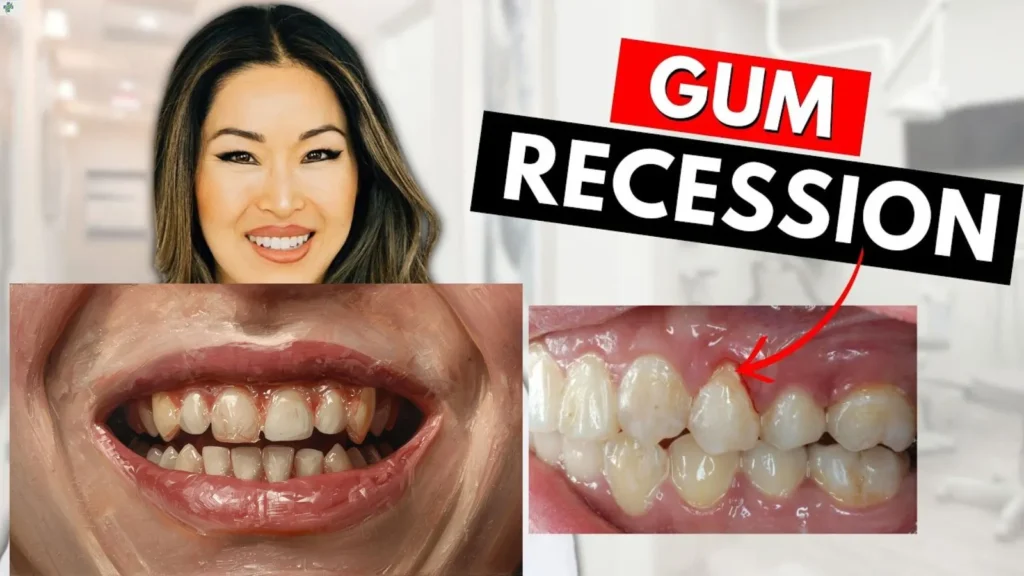
Gum recession occurs when the gum tissue surrounding teeth pulls back or wears away. As a result, more of the tooth or even the root becomes visible.
Normally, gums form a tight seal around teeth. This seal protects delicate roots and supporting bone. When recession develops, gaps may form between teeth and gums.
These gaps allow harmful bacteria, plaque, and tartar buildup to collect easily.
Signs:
- Teeth appearing longer
- Tooth sensitivity to hot or cold
- Bleeding while brushing
- Swollen or red gums
- Loose teeth in severe cases
If untreated, gum recession may lead to Periodontitis, a serious gum disease affecting the jawbone.
How is Gum Recession Made?
Unlike food products or additives, gum recession develops gradually through multiple factors. The process is influenced by both lifestyle and health conditions.
Several causes.
1. Aggressive Brushing
Hard brushing or using stiff toothbrushes may wear down gum tissue. Over time, the protective gum line slowly moves upward.
2. Gum Disease
Untreated Gingivitis can damage gum tissue. Bacteria release toxins that inflame and weaken gums.
Eventually, tissue breakdown may occur.
3. Poor Oral Hygiene
Plaque that remains on teeth becomes hardened tartar. This rough deposit irritates gums and pushes them away from teeth.
4. Genetics
Some people naturally have thinner gum tissue. Because of this, recession may occur even with good hygiene.
5. Teeth Grinding
Night grinding or bruxism puts pressure on teeth and gums. Over time, gums may pull away.
6. Tobacco Use
Smoking and chewing tobacco reduce blood flow to gum tissue. Healing becomes slower, and recession risk increases.
Is Gum Recession Safe?
From a medical standpoint, gum recession is not considered safe if ignored.
Dental research shows that exposed tooth roots are more vulnerable to damage. The root surface lacks protective enamel.
Therefore, several problems may develop:
- Severe tooth sensitivity
- Increased risk of tooth decay
- Higher chances of infection
- Bone loss around teeth
According to periodontal studies, early-stage gum recession can often be stabilized through improved oral hygiene and professional care.
However, advanced recession may require treatment such as:
- Scaling and root planing
- Gum graft surgery
- Laser periodontal therapy
These treatments are designed to restore gum protection and prevent tooth loss.
Why Is Gum Recession Important in Oral Health?
Although not a food ingredient, gum recession plays a major role in overall dental health.
Healthy gums serve several protective functions:
- They seal teeth against harmful bacteria
- They support teeth firmly in the jaw
- They protect tooth roots from sensitivity
- They maintain a balanced oral microbiome
When recession occurs, these defenses weaken.
As a result, oral bacteria, dental plaque, and tartar can spread more easily.
Dentists emphasize prevention because once gum tissue is lost, it rarely grows back naturally.
Nutritional Value of Gum Recession
Gum recession itself has no nutritional value. However, nutrition strongly influences gum health and recovery.
A balanced diet supports gum tissue repair.
| Nutrient | Role in Gum Health | Food Sources |
|---|---|---|
| Vitamin C | Strengthens gum tissue | Citrus fruits, berries |
| Vitamin D | Supports bone health | Fish, sunlight |
| Calcium | Maintains jawbone strength | Milk, yogurt |
| Omega-3 fatty acids | Reduces inflammation | Salmon, walnuts |
| Antioxidants | Protect gum cells | Green tea, vegetables |
Poor nutrition may worsen gum inflammation and delay healing.
Benefits of Addressing Gum Recession Early
Treating gum recession early offers many health benefits.
Protects Tooth Roots
Sensitive roots become covered or protected. Pain from cold drinks may be reduced.
Prevents Tooth Loss
Early care helps maintain strong tooth support structures.
Improves Smile Appearance
Balanced gum lines make teeth look healthier and more natural.
Reduces Infection Risk
Professional cleaning removes harmful oral bacteria before deeper damage occurs.
Improves Oral Comfort
Daily brushing and eating become easier without irritation.
Risks and Side Effects
If gum recession progresses untreated, several complications may occur.
Increased Tooth Sensitivity
Exposed roots react strongly to temperature changes.
Higher Risk of Cavities
Root surfaces are softer than enamel. Therefore, root cavities may develop quickly.
Gum Infections
Bacteria trapped in pockets may cause severe periodontal disease.
Jawbone Loss
In advanced cases, bone supporting the teeth may deteriorate.
Tooth Mobility
Loose teeth may appear when the supporting tissue weakens.
Because of these risks, dentists often recommend early evaluation.
Gum Recession and Diabetes
People with **Diabetes may face higher gum recession risk.
High blood sugar can weaken the immune system. As a result, gum infections become more likely.
Research shows several links:
- Diabetes increases gum inflammation
- Healing time may be slower
- Bacterial growth can be stronger
However, proper blood sugar control may reduce dental complications.
Dentists usually advise more frequent dental checkups for diabetic patients.
Gum Recession and Gut Health
Oral health and gut microbiome balance are increasingly connected.
Harmful bacteria from severe gum disease may enter the digestive system.
Scientists suggest this may contribute to:
- Digestive inflammation
- Poor microbial balance
- Increased infection risk
Maintaining healthy gums supports the body’s overall microbial ecosystem.
When Should You Avoid Ignoring Gum Recession?
Immediate dental care should be considered if these symptoms appear:
- Persistent gum bleeding
- Severe tooth sensitivity
- Visible tooth roots
- Bad breath that does not improve
- Loose teeth
Early diagnosis allows simpler and less invasive treatments.
Alternatives to Gum Recession Damage
While lost gum tissue cannot fully regenerate naturally, several approaches may help protect remaining tissue.
Professional Treatments
- Scaling and root planing
- Gum graft surgery
- Pinhole surgical technique
- Laser periodontal therapy
Preventive Home Care
- Use soft-bristle toothbrushes
- Brush gently using circular motions
- Floss daily
- Use antibacterial mouthwash
Lifestyle Improvements
- Quit smoking
- Manage stress and teeth grinding
- Maintain balanced nutrition
These strategies help slow or stop recession progression.
FAQs
What causes gum recession most often?
Aggressive brushing, gum disease, plaque buildup, genetics, and smoking are the most common causes.
Can gum recession grow back naturally?
Lost gum tissue usually does not grow back. However, dental treatments can restore protection.
Is gum recession painful?
It may not hurt initially. Later stages often cause tooth sensitivity and gum discomfort.
How do dentists treat gums recession?
Treatments may include deep cleaning, gum graft surgery, or laser therapy.
Can brushing too hard cause gum recessions?
Yes. Hard brushing and stiff toothbrushes can gradually wear down gum tissue.
How can I prevent gums recession?
Use gentle brushing, floss daily, avoid tobacco, and visit the dentist regularly.
Final Takeaway
Gum recession is a common but often overlooked dental condition. It develops slowly and may go unnoticed until symptoms appear.
When gum tissue pulls away from teeth, roots become exposed and vulnerable. Sensitivity, infection, and tooth loss may follow if untreated.
Fortunately, early care can protect your smile. Gentle brushing, healthy nutrition, and regular dental visits play important roles.
Professional treatment may also restore gum protection in advanced cases.
Protecting your gums today helps maintain strong teeth for life.
Medical Disclaimer
This article is for educational purposes only. It should not replace professional medical or dental advice. Always consult a qualified dentist or healthcare provider for diagnosis and treatment of oral health conditions.

Dr. Alex Morgan is a health writer focused on nutrition and disease prevention. He shares simple and practical advice to help readers live healthier lives.