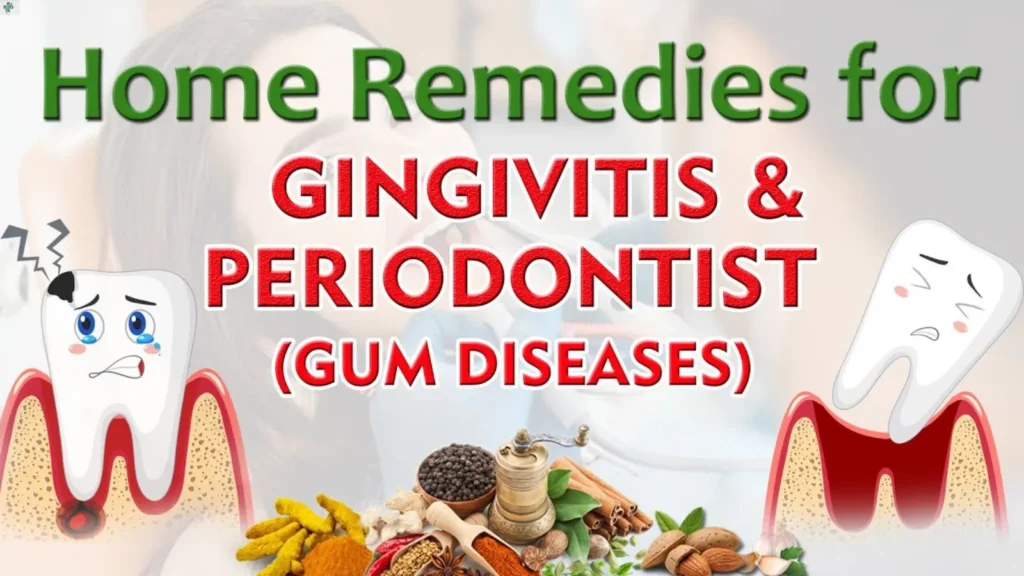
Healthy gums are essential for a strong and confident smile. However, gum infections can slowly damage the tissues that support your teeth. One common condition is periodontitis, a serious stage of gum disease that can lead to tooth loss if untreated. Because many people want gentle and affordable options, interest in natural remedies for periodontitis has increased.
Natural methods may help reduce inflammation, control bacteria, and support gum healing. However, they work best when combined with good dental care.
|Learn More About Us: Natural remedies for gum recession
Benefits of Natural Remedies for Periodontitis
Natural approaches often focus on improving oral hygiene and reducing harmful bacteria in the mouth. When used correctly, they may offer several advantages.
1. Reducing Gum Inflammation
Many natural ingredients contain anti-inflammatory properties. For example, saltwater rinses and herbal extracts can help soothe swollen gums.
As a result, redness and irritation may gradually improve.
2. Fighting Harmful Bacteria
Some natural substances have antibacterial effects. Oils such as tea tree oil or coconut oil may help reduce bacteria that contribute to gum infections.
Therefore, these remedies may support better oral hygiene.
3. Supporting Gum Healing
Certain plant-based remedies contain nutrients that help tissue repair. Aloe vera, for instance, is widely known for its soothing and healing effects.
Meanwhile, vitamin-rich foods may strengthen the immune system and support gum recovery.
4. Affordable and Accessible
Another advantage is accessibility. Many natural remedies are inexpensive and easy to find at home or in local stores.
Consequently, people can easily include them in their daily oral care routine.
Risks and Side Effects of Natural Remedies for Periodontitis
Although natural treatments can be helpful, they are not always a complete solution. Understanding the risks is important.
Delayed Professional Treatment
Relying only on home remedies may delay necessary dental care. Since periodontitis is a serious infection, professional treatment is often required.
Possible Allergic Reactions
Some herbal ingredients may cause allergies or irritation. For example, essential oils can sometimes irritate sensitive gum tissue.
Limited Scientific Evidence
While many natural remedies are popular, not all of them are strongly supported by scientific research.
Therefore, they should be considered supportive treatments rather than cures.
Procedure or How Natural Remedies Work
Natural remedies usually focus on improving oral hygiene and controlling bacteria. Here are several common methods used at home.
Step 1: Saltwater Rinse
Saltwater is one of the simplest remedies.
How to use it:
- Mix half a teaspoon of salt in warm water.
- Swish the solution around your mouth for 30 seconds.
- Spit it out and rinse with plain water.
This solution helps reduce bacteria and soothe irritated gums.
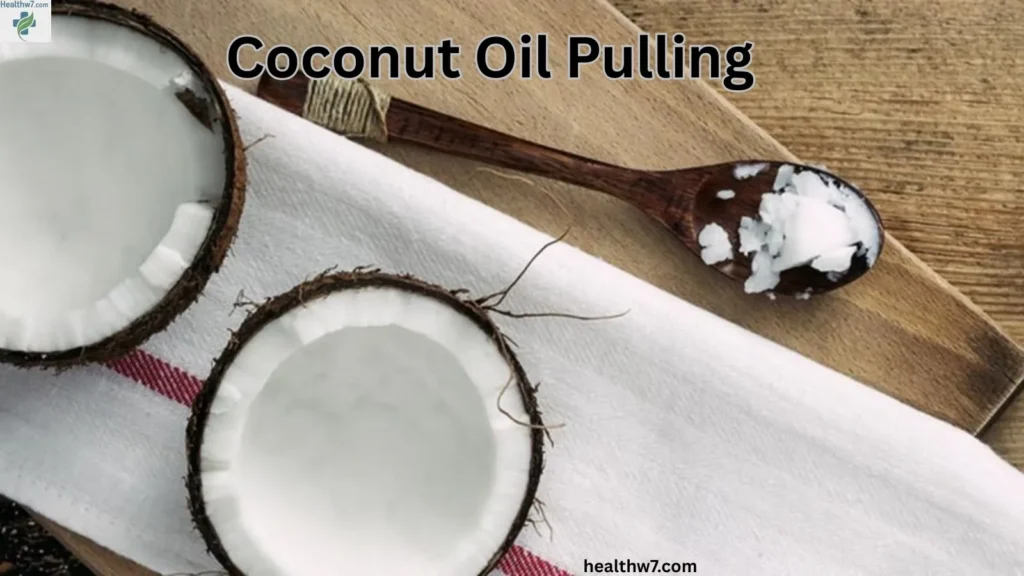
Step 2: Oil Pulling
Oil pulling is a traditional oral care technique.
How it works:
- Place one tablespoon of coconut oil in your mouth.
- Swish it around for about 10–15 minutes.
- Spit it out and brush your teeth normally.
Many people believe this method helps remove toxins and bacteria.
Step 3: Aloe Vera Application
Aloe vera gel is often used for its soothing properties.
Steps:
- Apply a small amount of pure aloe vera gel to the gums.
- Leave it for a few minutes.
- Rinse your mouth gently.
This method may help reduce inflammation.
Step 4: Improve Daily Oral Hygiene
Natural remedies work best when combined with good dental habits.
Important habits include:
- Brushing twice daily
- Flossing regularly
- Using antibacterial mouthwash
- Visiting the dentist regularly
Does Natural Treatment for Periodontitis Hurt or Cause Discomfort?
Most natural remedies are gentle and painless. In fact, many people use them specifically to reduce gum discomfort.
Saltwater rinses usually feel soothing rather than painful. Similarly, aloe vera gel often cools irritated tissues.
However, some essential oils may cause mild burning sensations if used in strong concentrations. Therefore, it is important to dilute them properly before applying them.
If pain continues or worsens, professional dental care should be considered.
How Long Do Results Last? Natural Remedies for Periodontitis
The effectiveness of natural remedies depends on several factors, including oral hygiene habits and the severity of the condition.
For mild gum inflammation, improvements may appear within a few days or weeks. However, advanced periodontitis usually requires professional treatment to achieve lasting results.
Therefore, natural remedies should be viewed as supportive care rather than permanent solutions.
Regular dental checkups remain essential for long-term gum health.
Cost of Natural Remedies for Periodontitis
One reason many people choose natural treatments is their affordability.
Here are approximate costs for common remedies:
- Saltwater rinse: almost free
- Coconut oil for oil pulling: $5–$15 per bottle
- Aloe vera gel: $5–$20 depending on quality
- Herbal mouthwash: $10–$25
Compared to dental procedures, these remedies are relatively inexpensive. However, severe gum disease treatments performed by dentists may cost significantly more.
How to Find a Qualified Dental Professional of Natural Remedies for Periodontitis
Even if you use natural remedies, professional dental guidance is important.
Here are some tips for choosing the right dentist:
Check Qualifications
Look for licensed dental professionals with experience treating gum disease.
Read Patient Reviews
Online reviews and testimonials can provide useful insights into a dentist’s reputation.
Ask About Periodontal Care
Some dentists specialize in gum health and periodontal treatments.
Schedule Regular Checkups
Routine visits allow dentists to detect gum disease early and recommend proper treatment.
Alternatives to Natural Remedies for Periodontitis
If natural methods are not enough, dentists may recommend professional treatments.
Deep Cleaning
This procedure removes plaque and tartar below the gumline.
Antibiotic Therapy
Dentists may prescribe medications to control bacterial infection.
Laser Gum Treatment
Some clinics use dental lasers to remove infected tissue.
Gum Surgery
In severe cases, surgical treatments such as gum grafting may be necessary.
These procedures help restore gum health and prevent tooth loss.
FAQs About Natural Remedies for Periodontitis
Can you fix receding gums naturally?
Natural methods like good oral hygiene, saltwater rinses, and a healthy diet may slow gum recession, but they usually cannot fully restore lost gum tissue.
Can receding gums grow back again?
Gums typically do not grow back on their own; however, treatments like gum grafting can help restore lost tissue.
How do I treat a gum recession?
Treatment may include improved oral hygiene, deep dental cleaning, desensitizing treatments, or surgical procedures such as gum grafting.
What is the root cause of gum recession?
The most common causes include gum disease, aggressive brushing, poor oral hygiene, genetics, and teeth grinding.
What vitamin deficiency causes receding gums?
A deficiency in vitamin C is most commonly linked to gum problems because it plays an important role in gum tissue health.
What is Stage 4 receding gums?
Stage 4 refers to advanced gum disease where severe gum loss, bone damage, and possible tooth loss occur.
What vitamins help receding gums?
Vitamins C, D, and K, along with calcium, help support healthy gums and strong teeth.
Has anyone reversed receding gums?
Gum recession itself cannot be fully reversed naturally, but many people improve gum health and stop further damage with proper dental care and treatment.
Summary
Periodontitis is a serious gum infection that requires proper care. While professional treatment is often necessary, natural remedies for periodontitis can support better oral health.
Simple methods like saltwater rinses, oil pulling, aloe vera, and improved oral hygiene may reduce inflammation and control bacteria. However, these remedies work best when combined with regular dental checkups.
By maintaining good oral hygiene and seeking professional guidance when needed, you can protect your gums and maintain a healthy smile for years to come.

Daniel Carter writes about fitness and healthy living. His goal is to help readers improve their health with simple and effective habits.