Watching your dog scratch relentlessly can be distressing. Persistent itching not only irritates your furry friend but may indicate underlying health issues. Fortunately, several natural dog itchy skin home remedies can soothe discomfort safely and effectively, often without harsh chemicals. In this article, we explore causes, symptoms, remedies, and practical tips to help your dog feel better naturally.
|See also: Natural remedies for infant reflux
Causes of Dog Itchy Skin
Understanding the root cause is essential before starting any home remedy. Common culprits include:
- Allergies:
Environmental allergens like pollen, dust mites, or mold can trigger itching.
- Parasites:
Fleas, ticks, and mites are frequent instigators of skin irritation.
- Dry Skin:
Lack of moisture, especially in winter or arid climates, leads to flakiness and itching.
- Dietary Sensitivities:
Certain proteins or additives in dog food can cause allergic reactions.
- Infections:
Bacterial or fungal infections exacerbate itchiness and redness.
Symptoms to Watch For Dog Itchy Skin
Identifying symptoms can help determine whether home remedies are suitable or if veterinary care is required. Common signs:
- Constant scratching or licking
- Red, inflamed, or flaky skin
- Hair loss or bald patches
- Hot spots or oozing sores
- Unusual odor from the skin
Natural Dog Itchy Skin Home Remedies
| Remedy | Benefits | How to Use | Safety Tips | Possible Side Effects |
|---|---|---|---|---|
| Oatmeal Bath | Soothes dryness, reduces redness, anti-inflammatory | Grind plain oatmeal, mix with warm water, apply or bathe dog | Avoid scented oatmeal with additives | Rare: skin sensitivity in some dogs |
| Coconut Oil | Moisturizes skin, antibacterial, improves coat | Apply thin layer to skin or add 1 tsp per 10 lbs in food | Start with small amounts, use organic | Large amounts may cause diarrhea |
| Aloe Vera | Cools inflammation, heals skin, moisturizes | Apply pure aloe gel directly to itchy spots | Avoid alcohol-based products | Rare: allergic reaction in sensitive dogs |
| Apple Cider Vinegar (ACV) | Antifungal, antibacterial, balances skin pH | Dilute 50:50 with water, spray on affected areas | Avoid open wounds | Stinging if applied on sores |
| Chamomile/Green Tea Soaks | Reduces redness, calms irritation | Brew tea, cool, use as rinse or compress | Ensure tea is fully cooled | None reported when used topically |
| Omega-3 Fatty Acids | Strengthens skin barrier, reduces inflammation | Fish oil capsules or flaxseed oil (vet-recommended dose) | Consult vet for dosage | Loose stools if given in excess |
1. Oatmeal Baths
Oatmeal is a natural anti-inflammatory that soothes irritated skin.
How to use:
- Grind plain oatmeal into a fine powder.
- Mix with warm water to form a paste.
- Apply on itchy areas or add to a bath.
- Rinse thoroughly after 10–15 minutes.
Benefits:
- Relieves dryness and itchiness
- Reduces redness and inflammation
- Safe for sensitive skin
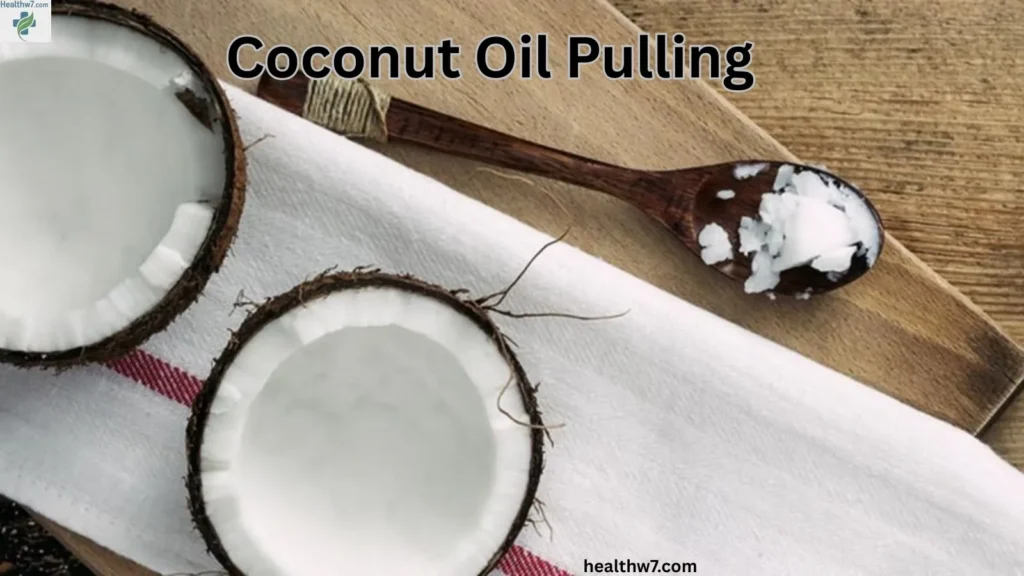
2. Coconut Oil
Coconut oil contains lauric acid, known for its antibacterial and moisturizing properties.
How to use:
- Apply a thin layer on affected areas
- Can be added to meals (1 teaspoon per 10 lbs of body weight)
Safety Tips:
- Start with small amounts to avoid diarrhea
- Use organic, unrefined coconut oil
3. Aloe Vera
Aloe vera gel is a cooling agent that calms inflamed skin.
How to use:
- Apply pure aloe vera gel directly to itchy spots
- Avoid products containing alcohol or additives
Benefits:
- Reduces itching
- Supports skin healing
- Provides natural moisture
4. Apple Cider Vinegar Spray
Apple cider vinegar (ACV) is antifungal and antibacterial, helping to reduce hotspots.
How to use:
- Dilute ACV with equal water (50:50 ratio)
- Spray gently on affected areas
- Avoid open wounds
Benefits:
- Fights bacterial and fungal infections
- Balances skin pH
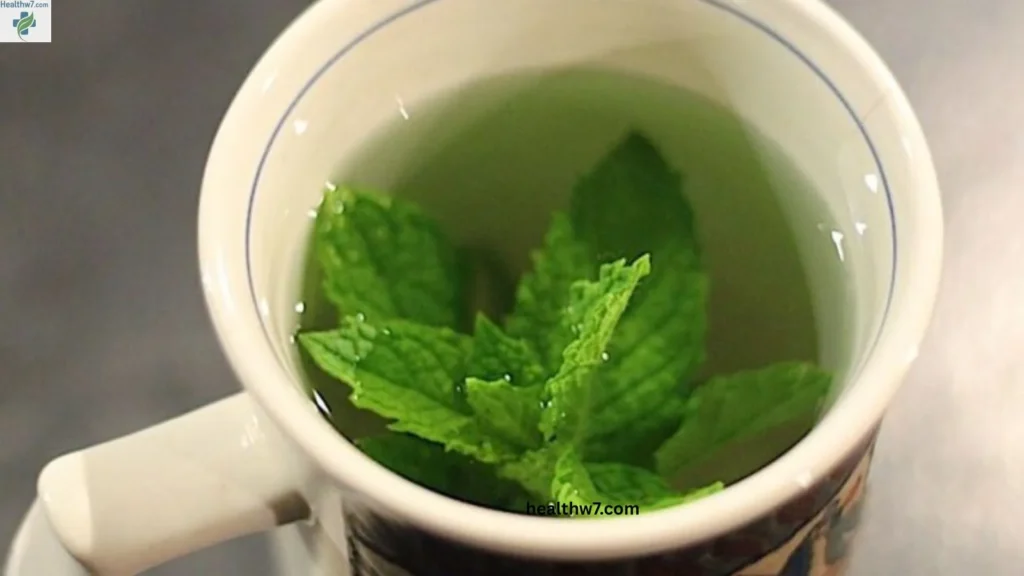
5. Chamomile or Green Tea Soaks
Herbal teas have soothing properties that calm irritation.
How to use:
- Brew chamomile or green tea and let it cool
- Use as a rinse or compress on itchy spots
Benefits:
- Reduces redness and inflammation
- Calms irritated skin
6. Omega-3 Fatty Acids
Omega-3 supplements support healthy skin and coat from the inside.
Sources:
- Fish oil capsules
- Flaxseed oil
Dosage Tips:
- Consult your vet for proper dosing
- Observe for loose stools
Treatment and Practical Tips
- Regular Grooming: Brush to remove allergens, dirt, and dead hair.
- Moisturizing: Use dog-safe moisturizers or natural oils.
- Parasite Control: Maintain flea and tick prevention routines.
- Hypoallergenic Diet: Consider limited-ingredient foods if allergies are suspected.
- Cool Baths: Avoid hot water which worsens itching.
When to See a Doctor
Home remedies are effective for mild irritation, but veterinary care is essential if your dog shows:
- Severe, persistent itching
- Open sores, bleeding, or pus
- Sudden hair loss
- Signs of systemic illness (vomiting, lethargy, fever)
Prompt intervention prevents infections and identifies underlying conditions.
FAQs About Dog Itchy Skin
What is the fastest natural remedy for itchy dog skin?
Oatmeal baths provide immediate soothing relief while moisturizing the skin naturally.
Can coconut oil alone stop itching in dogs?
It helps reduce dryness and bacterial growth but works best alongside other remedies like oatmeal or aloe vera.
Is apple cider vinegar safe for all dogs?
Yes, when diluted, but avoid open wounds to prevent stinging.
How often should I give my dog an oatmeal bath?
Once or twice a week is sufficient for mild itching, depending on severity.
Are omega-3 supplements effective for skin allergies?
Yes, they strengthen the skin barrier and reduce inflammation over time.
Can diet changes reduce dog skin allergies?
Switching to hypoallergenic or limited-ingredient diets can minimize allergic reactions in sensitive dogs.
What are signs that a vet visit is needed?
Persistent itching, infection, hair loss, or systemic symptoms warrant professional evaluation.
Summary
Itchy skin in dogs is common but manageable with natural home remedies. Oatmeal baths, coconut oil, aloe vera, apple cider vinegar, herbal soaks, and omega-3 fatty acids can significantly reduce discomfort. Coupled with proper grooming, diet, and parasite prevention, these remedies improve skin health safely. Always monitor your dog for worsening symptoms and consult a vet when needed.
Medical Disclaimer: This article is for informational purposes only and is not a substitute for professional veterinary advice. Always consult a veterinarian for proper diagnosis and treatment.

Daniel Carter writes about fitness and healthy living. His goal is to help readers improve their health with simple and effective habits.