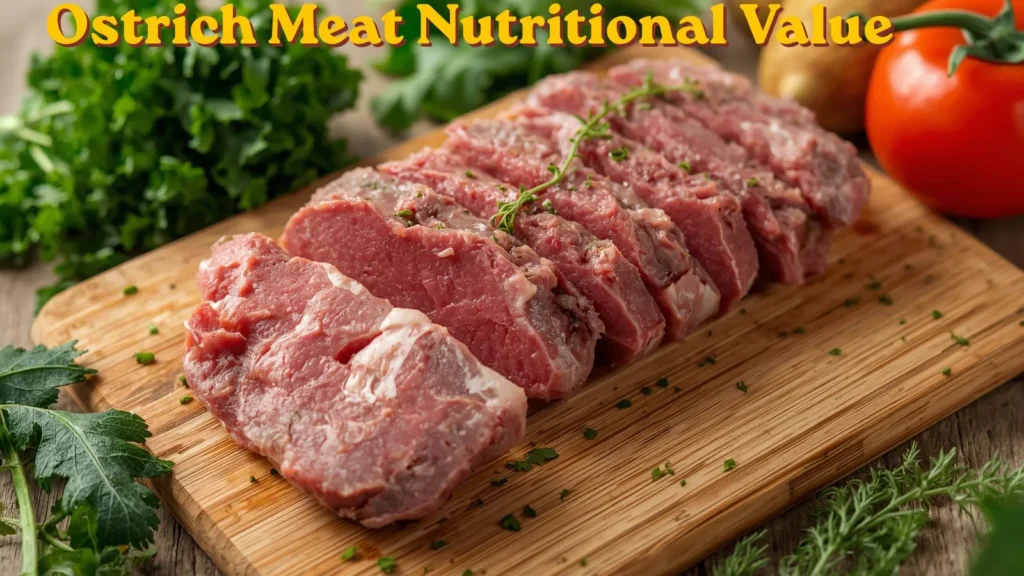
Have you ever wondered why ostrich meat is gaining attention in healthy diets? This unique poultry alternative is low in fat yet rich in protein and essential nutrients, making it a smart choice for fitness enthusiasts and health-conscious eaters alike. Let’s explore its full potential.
|RELATED: Wagyu Nutrition Facts: A Complete Health Guide
What is Ostrich Meat?
Ostrich meat comes from the large, flightless ostrich bird, primarily farmed for its meat, leather, and feathers. Unlike traditional red meats, it offers a leaner, nutrient-dense profile, ideal for those seeking low-fat protein sources. Its taste is often compared to lean beef but milder.
How is Ostrich Meat Made?
Ostrich meat is produced from farmed birds raised under controlled conditions. After humane slaughter, the meat is cut, aged, and sometimes frozen or vacuum-sealed. This process preserves its nutritional integrity and ensures safe consumption, maintaining both flavor and texture for culinary use.
Is Ostrich Meat Safe?
Yes, ostrich meat is generally safe for healthy adults. Studies indicate low risk of contamination when cooked properly. However, like other red meats, it should be thoroughly cooked to prevent bacterial infections such as salmonella. Pregnant women and immunocompromised individuals should exercise caution.
Why Is Ostrich Meat Used in Food?
Ostrich meat’s lean profile, rich protein content, and mild taste make it versatile in diets. Chefs use it in steaks, burgers, and stir-fries. Its low fat content helps reduce cholesterol intake, making it appealing for heart-conscious consumers. Plus, it’s an eco-friendly alternative to traditional beef.
Nutritional Value of Ostrich Meat
| Nutrient | Per 100g (3.5 oz) | Daily Value (%) |
|---|---|---|
| Calories | 142 kcal | 7% |
| Protein | 22.8 g | 46% |
| Fat | 2 g | 3% |
| Saturated Fat | 0.6 g | 3% |
| Iron | 3.5 mg | 19% |
| Zinc | 2.2 mg | 20% |
| Vitamin B12 | 2.4 µg | 40% |
Ostrich meat is low in fat but rich in essential minerals like iron and zinc. Its high protein content supports muscle growth and repair while being a better alternative for low-fat diets.
Benefits of Ostrich Meat
Ostrich meat provides multiple health advantages:
- Supports muscle growth with high-quality protein
- Promotes heart health due to low cholesterol and saturated fat
- Rich in iron, reducing risk of anemia
- Boosts immunity through zinc and vitamin B12
- Weight management support thanks to low calories per serving
For example, swapping traditional beef for ostrich in your weekly meals can reduce overall fat intake without sacrificing flavor.
Risks and Side Effects
Despite benefits, excessive consumption may carry risks. High red meat intake can affect heart health, even if lean. People with gout should be cautious because ostrich meat contains purines. Allergic reactions are rare but possible. Balance is key for safety and overall nutrition.
Ostrich Meat and Diabetes
Ostrich meat’s low-fat, high-protein profile helps regulate blood sugar. Protein slows glucose absorption, which can benefit people with diabetes. Pairing it with vegetables and whole grains makes it a healthy, diabetes-friendly meal option.
Ostrich Meat and Weight Loss
With only 142 kcal per 100g, ostrich meat is ideal for calorie-controlled diets. Its high protein content promotes satiety, reducing overall food intake. Replacing higher-fat meats with ostrich can accelerate weight loss and support lean muscle maintenance.
Ostrich Meat and Gut Health
Though low in fiber, ostrich meat aids gut health indirectly. Protein-rich meals support gut microbiota balance when combined with fiber-rich foods like vegetables and whole grains. It’s part of a balanced diet that nurtures both digestive and metabolic health.
When Should You Avoid It?
Avoid ostrich meat if you have:
- Purine-related conditions like gout
- Red meat allergies
- A diet strictly restricting animal protein
Pregnant or immunocompromised individuals should ensure meat is fully cooked to prevent infection risks.
Alternatives to Ostrich Meat
If ostrich is unavailable or unsuitable, consider:
- Lean beef – similar taste, slightly higher fat
- Turkey or chicken breast – lower fat, high protein
- Bison – rich in iron and lean protein
- Plant-based proteins – lentils, chickpeas, tofu for vegetarian options
These alternatives provide comparable nutritional benefits while diversifying meals.
FAQs
- Is ostrich meat healthier than beef?
- Yes, it has less fat and cholesterol.
- Can I eat ostrich meat raw?
- No, cooking is necessary to kill harmful bacteria.
- How does it taste?
- Similar to lean beef but milder and slightly sweet.
- Is it suitable for weight loss?
- Absolutely, due to low calories and high protein.
- Where can I buy ostrich meat?
- Specialty butchers, online meat suppliers, or local farms.
- Does it help with anemia?
- Yes, its high iron content supports red blood cell production.
- Can diabetics eat it?
- Yes, in moderation with balanced meals.
Final Takeaway
Ostrich meat is a lean, nutrient-dense alternative to traditional red meats. Rich in protein, iron, and zinc, it supports muscle growth, heart health, and weight management. With proper preparation, it’s safe, versatile, and delicious—making it an excellent addition to a balanced diet.
Medical Disclaimer
This article is for informational purposes only. It does not replace professional medical advice. Consult a healthcare provider before making significant dietary changes, especially if you have underlying health conditions.

Daniel Carter writes about fitness and healthy living. His goal is to help readers improve their health with simple and effective habits.