Gluten free food means meals that do not contain gluten, a protein found in wheat, barley, and rye. Many people choose this type of diet to improve their health. For some, it is not a choice but a need, especially for those with Celiac disease. Today, gluten free food is easier to find, and more people are adding it to their daily routine for better wellness.
|RELATED: Adult With Baby Teeth: Causes, Risks & Treatment Options
Gluten Food List
A clear gluten food list helps you identify items that contain gluten, such as wheat bread, pasta, cereals, and baked goods. In addition, foods made with barley and rye also contain gluten. Therefore, reading labels carefully is important to avoid hidden sources in processed meals and snacks.
List of Gluten-Free Foods and Snacks
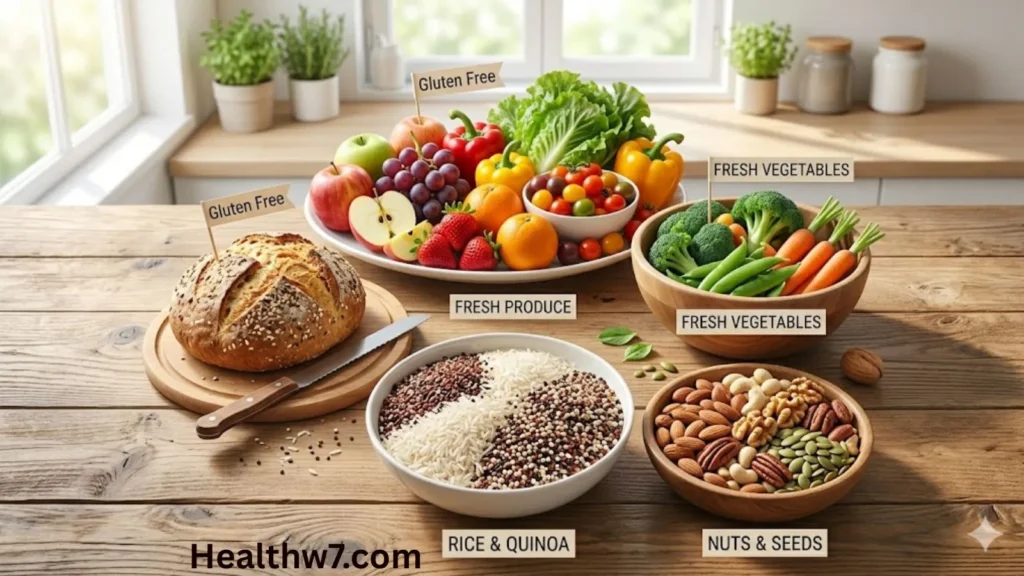
A healthy list of gluten-free foods and snacks includes fruits, vegetables, rice cakes, nuts, yogurt, and popcorn. Moreover, gluten-free crackers and energy bars are widely available. As a result, you can enjoy quick snacks without worry while still maintaining a balanced and satisfying daily diet.
Gluten Free Foods to Buy
When shopping, focus on gluten free foods to buy such as rice, quinoa, oats (labeled gluten-free), fresh produce, and lean meats. In addition, choose certified gluten-free packaged items. This way, you can build a safe and nutritious pantry without accidentally including gluten-containing ingredients.
Gluten Foods to Avoid
Knowing gluten foods to avoid is essential for staying healthy. Common items include bread, pasta, cakes, cookies, and sauces made with wheat flour. Furthermore, processed foods may hide gluten. Therefore, always check ingredient lists and avoid anything that contains wheat, barley, or rye.
Gluten-Free Foods Benefits
There are many gluten-free foods benefits, especially for those with gluten sensitivity. These foods can improve digestion, reduce bloating, and boost energy. In addition, they often encourage healthier eating habits by focusing on whole foods, which support overall wellness and better daily nutrition.
Gluten-Free Foods for Kids
Choosing gluten-free foods for kids requires care and balance. Include fruits, vegetables, dairy, rice, and gluten-free snacks. Moreover, ensure meals are rich in vitamins and minerals for proper growth. As a result, children can enjoy tasty meals while meeting their nutritional needs safely.
Benefits of Gluten Free Food
1. Better Digestion
Gluten free food can help reduce bloating, gas, and stomach pain. As a result, many people feel more comfortable after meals.
2. More Energy
When the body reacts badly to gluten, it can cause tiredness. Therefore, removing gluten may help increase energy levels.
3. Helps People with Celiac Disease
For people with Celiac disease, avoiding gluten is very important. It helps protect their intestines and keeps them healthy.
4. May Reduce Inflammation
Some people notice less joint pain and swelling after cutting out gluten. In addition, it may support overall body comfort.
5. Encourages Healthy Choices
A gluten free diet often includes fresh fruits, vegetables, and natural foods. Because of this, it can lead to a more balanced diet.
Risks and Side Effects of Gluten Free Food
While gluten free food can be helpful, there are a few things to keep in mind.
- Some packaged gluten free foods have extra sugar or fat
- The diet may lack fiber if not planned well
- Certain nutrients like iron or vitamin B may be lower
Therefore, it is important to eat a variety of whole foods to stay healthy.
Procedure or How It Works
How to Follow a Gluten Free Diet
- First, avoid foods that contain wheat, barley, and rye
- Then, choose gluten free options like rice, potatoes, and corn
- Always check food labels carefully
- Use separate utensils to avoid mixing gluten foods
- Focus on fresh and natural ingredients
As a result, you can safely follow a gluten free lifestyle.
Does Gluten Free Food Hurt or Cause Discomfort?
Gluten free food does not cause pain. In fact, it often helps reduce discomfort for people who are sensitive to gluten. However, when you first change your diet, you may notice small changes in digestion. These usually go away after a short time.
How Long Do Results Last?
Some benefits, like less bloating, can appear within a few days. However, long-term changes such as improved gut health may take a few weeks. Therefore, staying consistent with your diet is important for lasting results.
Cost of Gluten Free Food
Gluten free food can cost more than regular food, especially packaged items.
- Basic foods like rice and vegetables are low cost
- Gluten free snacks and bread can cost $5–$15
- Specialty products may be more expensive
However, cooking at home can help you save money.
How to Find a Qualified Provider or Professional
If you are unsure about starting a gluten free diet, expert advice can help.
- Talk to a doctor for proper testing
- Visit a registered dietitian
- Choose trusted brands with clear labels
- Read reviews before buying products
This way, you can make safe and healthy choices.
Alternatives to Gluten Free Food
If you do not need to avoid gluten, you can explore other healthy diets.
- Whole food diet
- Plant-based diet
- Low-carb diet
- Balanced diet with portion control
Each option offers different benefits, so choose what suits your lifestyle.
FAQs
1. What is gluten free food?
It is food that does not contain gluten, a protein found in wheat and similar grains.
2. Who should eat gluten free food?
People with gluten sensitivity or Celiac disease should follow this diet.
3. Can gluten free food help digestion?
Yes, it can reduce bloating and stomach discomfort in sensitive individuals.
4. Is gluten free food expensive?
Some products are costly, but natural foods like fruits and rice are affordable.
5. Can I eat gluten free foods every day?
Yes, it is safe if your diet is balanced and nutritious.
6. Are gluten free products always healthy?
Not always. Some may contain added sugar or fat, so check labels carefully.
Final Takeaway
Gluten free food is important for people with Celiac disease, but it can also support general health when done right. It may improve digestion, boost energy, and encourage better eating habits. However, balance and proper planning are key. With the right choices, a gluten free lifestyle can be both healthy and enjoyable.

Daniel Carter writes about fitness and healthy living. His goal is to help readers improve their health with simple and effective habits.