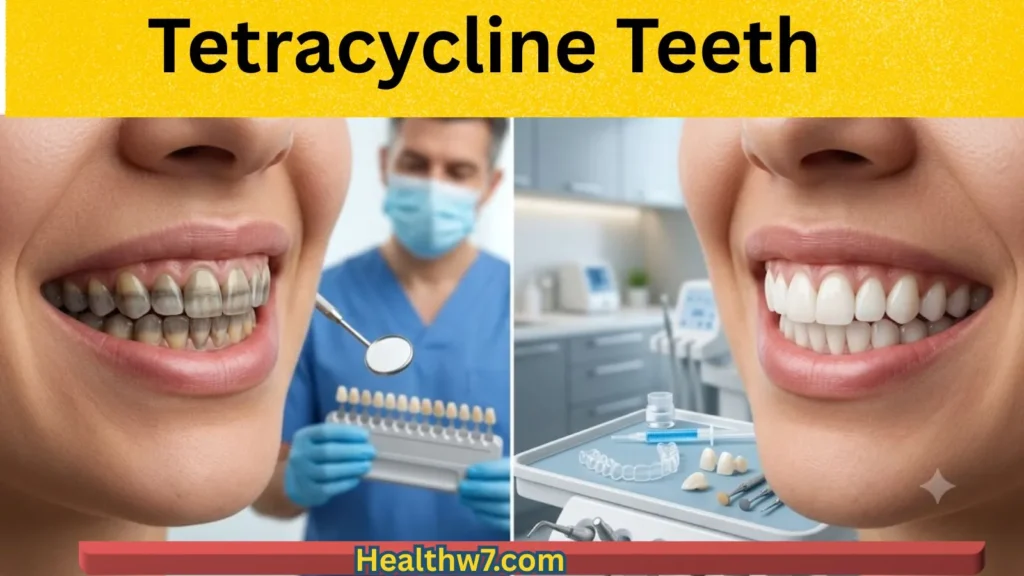
Tetracycline teeth refer to permanent tooth discoloration caused by taking tetracycline antibiotics while teeth are developing. Although these antibiotics are effective against bacterial infections, they can leave lasting stains that range from yellow to gray or brown. As a result, many people feel self-conscious about their smiles.
Fortunately, modern cosmetic dentistry offers several effective ways to improve the appearance of tetracycline teeth. Moreover, understanding the condition helps you choose the right treatment and prevent similar problems in future generations.
See also: Lavashak Nutrition: Benefits, Calories, and Health Facts
What Are Tetracycline Teeth?
Tetracycline teeth develop when tetracycline antibiotics bind with calcium in developing teeth. Consequently, the medication becomes part of the tooth structure before the enamel fully hardens.
Affects:
- Children exposed before age 8
- Babies whose mothers took tetracycline during pregnancy
- People treated with tetracycline antibiotics during childhood
Unlike surface stains from coffee or tobacco, tetracycline stains are deep inside the tooth. Therefore, regular brushing or professional cleaning cannot remove them.
Common Symptoms
- Yellow, gray, blue, or brown tooth discoloration
- Even staining across multiple teeth
- Dark horizontal bands in severe cases
- Stains that do not improve with whitening toothpaste
How to Remove Tetracycline Stains from Teeth
Removing tetracycline stains from teeth can be challenging because the discoloration develops inside the tooth rather than on the enamel surface. Unlike stains caused by coffee, tea, or smoking, these stains cannot be brushed away with whitening toothpaste. However, several modern dental treatments can noticeably improve or completely hide the discoloration.
Professional Teeth Whitening
Professional whitening is often the first treatment dentists recommend for mild to moderate tetracycline staining. High-strength whitening gels penetrate the enamel and gradually lighten the internal discoloration.
Although results vary, patients usually need multiple whitening sessions over several weeks. In some cases, dentists also provide custom take-home whitening trays for continued treatment.
Porcelain Veneers
For moderate to severe stains, porcelain veneers are one of the most effective solutions. Thin porcelain shells are permanently bonded to the front surface of the teeth, completely covering the discoloration while creating a natural-looking smile.
Veneers are highly stain-resistant and typically last 10–20 years with proper care.
Dental Crowns
When teeth are severely stained or weakened, dental crowns may be recommended. A crown covers the entire tooth, restoring both appearance and strength. Although this option requires more tooth preparation, it offers long-lasting cosmetic results.
Can Home Remedies Remove Tetracycline Stains?
Unfortunately, home remedies such as baking soda, activated charcoal, lemon juice, or whitening toothpaste cannot remove tetracycline stains because the discoloration lies deep within the tooth. In fact, some DIY methods may damage enamel if used excessively. Therefore, professional treatment remains the safest and most effective choice.
Tetracycline Teeth Treatment
The best tetracycline teeth treatment depends on how severe the discoloration is. Fortunately, cosmetic dentistry now offers several effective options that can dramatically improve the appearance of stained teeth.
Mild Staining
People with light yellow or cream-colored stains often respond well to:
- Professional in-office whitening
- Dentist-supervised take-home whitening kits
- Periodic maintenance whitening
These treatments gradually brighten the teeth over time.
Moderate Staining
When stains become darker or appear gray, dentists may recommend:
- Dental bonding
- Combination whitening treatments
- Porcelain veneers
These options provide better coverage than whitening alone.
Severe Staining
Deep blue, brown, or dark gray discoloration usually requires:
- Porcelain veneers
- Full ceramic crowns
These treatments completely hide internal stains and provide the most predictable cosmetic results.
Which Treatment Is Best?
| Severity | Recommended Treatment |
|---|---|
| Mild | Professional whitening |
| Moderate | Whitening + bonding or veneers |
| Severe | Porcelain veneers or crowns |
Your dentist will recommend the most suitable treatment after evaluating the depth of the staining, your oral health, and your cosmetic goals.
Tetracycline Teeth Whitening
Many people wonder whether tetracycline teeth whitening actually works. The answer is yes—but results depend on how deep and dark the stains are.
Is Teeth Whitening Effective?
Professional whitening can improve mild to moderate tetracycline stains by several shades. However, unlike surface stains, internal antibiotic stains often require patience and multiple treatment sessions.
Dentists may recommend:
- In-office laser whitening
- Professional bleaching systems
- Custom whitening trays used daily for several weeks or months
How Long Does Whitening Take?
Because tetracycline stains are deeply embedded, treatment often takes longer than standard whitening.
Typical timelines include:
- Initial improvement: 2–4 weeks
- Significant whitening: 1–6 months
- Maintenance: Touch-up treatments every 1–2 years
Tips to Maintain Whiter Teeth
After whitening treatment, you can keep your smile brighter by:
- Brushing twice daily with fluoride toothpaste.
- Flossing every day.
- Limiting coffee, tea, red wine, and dark-colored sodas.
- Avoiding tobacco products.
- Visiting your dentist regularly for professional cleanings.
With proper maintenance, whitening results can last much longer, helping you enjoy a brighter and more confident smile.
Benefits of Tetracycline Teeth Treatment
Although tetracycline teeth themselves are not beneficial, treating them offers several advantages.
Improved Smile Appearance
Professional treatments can significantly reduce discoloration. As a result, your smile looks brighter and healthier.
Increased Confidence
Many people feel embarrassed about stained teeth. However, cosmetic treatment often restores self-esteem and encourages smiling more often.
Better Oral Health Habits
People investing in cosmetic treatment usually become more committed to maintaining excellent oral hygiene.
Long-Term Cosmetic Improvement
Depending on the treatment, results may last for many years with proper care.
Risks and Side Effects of Tetracycline Teeth Treatment
Every dental treatment carries some risks. Therefore, discussing options with your dentist is important.
Tooth Sensitivity
Professional whitening may temporarily increase tooth sensitivity. Fortunately, this usually disappears within a few days.
Gum Irritation
Whitening gels can sometimes irritate the gums if they touch soft tissues.
Uneven Whitening
Because tetracycline stains are deep, whitening may not completely remove severe discoloration. Instead, several sessions may be required.
Veneer or Crown Risks
If veneers or crowns are used:
- Small amounts of enamel are removed.
- Replacement may eventually be necessary.
- Damage can occur if proper care is not followed.
Thankfully, these risks are generally low when treatment is performed by an experienced dentist.
Procedure: How Tetracycline Teeth Treatment Works
Treatment depends on the severity of staining.
Step 1: Dental Examination
The dentist examines your teeth and determines how deep the discoloration extends. X-rays may also be taken if necessary.
Step 2: Discuss Treatment Options
Possible treatments include:
- Professional teeth whitening
- Dental bonding
- Porcelain veneers
- Dental crowns
The dentist recommends the best option based on stain severity.
Step 3: Professional Whitening
For mild stains:
- Whitening gel is applied.
- A special light may activate the gel.
- Multiple visits are often needed.
Results appear gradually over several weeks.
Step 4: Veneers or Crowns
For moderate to severe staining:
- Teeth are gently prepared.
- Digital impressions are taken.
- Custom restorations are created.
- Veneers or crowns are permanently bonded.
This approach completely hides deep discoloration.
Does Tetracycline Teeth Treatment Hurt or Cause Discomfort?
”Most treatments involve very little discomfort.”
Professional whitening usually causes mild sensitivity rather than pain. However, this sensation typically fades within a day or two.
For veneers or crowns, local anesthesia keeps the procedure comfortable. Afterward, slight soreness may occur for a short period. Nevertheless, most patients return to normal activities immediately.
How Long Do Results Last?
Treatment longevity depends on the chosen method.
Professional Whitening
- 1–3 years
- Touch-up treatments maintain brightness.
Dental Bonding
- 3–10 years
- Good oral care extends lifespan.
Porcelain Veneers
- 10–20 years
- Resistant to everyday staining.
Dental Crowns
- 10–15 years or longer
- Regular dental checkups help maximize durability.
Additionally, avoiding tobacco and limiting dark-colored beverages helps preserve results.
Cost of Tetracycline Teeth Treatment
Costs vary depending on location, dentist experience, and treatment type.
| Treatment | Approximate Cost (USD) |
|---|---|
| Professional Whitening | $300–$1,000 |
| Dental Bonding | $300–$600 per tooth |
| Porcelain Veneers | $900–$2,500 per tooth |
| Dental Crowns | $800–$2,500 per tooth |
Factors Affecting Cost
- Severity of staining
- Number of teeth treated
- Geographic location
- Dentist’s expertise
- Type of restoration used
- Additional dental procedures
Insurance usually does not cover cosmetic treatment unless it is medically necessary.
How to Find a Qualified Provider or Professional
Choosing the right dentist improves both safety and results.
Look for Cosmetic Dentistry Experience
Dentists experienced with tetracycline teeth understand which treatments work best.
Review Before-and-After Photos
Photos help you evaluate real patient results.
Read Patient Reviews
Positive reviews often indicate consistent quality care.
Verify Credentials
Choose licensed dentists with continuing education in cosmetic dentistry.
Schedule a Consultation
Ask questions such as:
- How many tetracycline teeth cases have you treated?
- Which treatment do you recommend?
- How long will results last?
- What are the total costs?
A thorough consultation helps you make an informed decision.
Alternatives to Tetracycline Teeth Treatment
Several alternatives may improve tooth appearance.
Internal Whitening
Suitable only for certain discolored teeth after root canal treatment.
Dental Bonding
Composite resin covers stains with minimal enamel removal.
Porcelain Veneers
One of the most effective options for severe discoloration.
Dental Crowns
Ideal when teeth are both stained and structurally damaged.
Whitening Toothpaste
While these products cannot remove tetracycline stains, they help reduce surface discoloration from food and drinks.
How to Prevent Tetracycline Teeth
Prevention is much easier than treatment.
Doctors generally avoid prescribing tetracycline antibiotics to:
- Pregnant women
- Breastfeeding mothers
- Children younger than 8 years
Instead, safer antibiotics are usually recommended whenever appropriate.
Parents should always follow their healthcare provider’s advice regarding medications for children.
Final Takeaway
Tetracycline teeth are a permanent form of tooth discoloration caused by tetracycline antibiotics during tooth development. Although the stains cannot be removed with regular brushing, modern dental treatments can dramatically improve the appearance of affected teeth. Furthermore, options such as professional whitening, veneers, bonding, and crowns allow patients to achieve a brighter, more confident smile. Consulting an experienced cosmetic dentist is the best way to determine the most effective treatment for your specific case.
Frequently Asked Questions
1. What causes tetracycline teeth?
Tetracycline teeth occur when tetracycline antibiotics are taken during tooth development, causing permanent internal discoloration.
RELATED: Pillars of Health – A Complete Guide to a Healthy Lifestyle
2. Can tetracycline teeth be whitened?
Yes. Mild cases often improve with professional whitening, while severe cases may require veneers or crowns.
3. Are tetracycline teeth harmful?
No. The discoloration is mainly cosmetic and does not usually affect tooth strength or function.
4. Can children still receive tetracycline antibiotics?
Doctors generally avoid prescribing tetracycline to children under 8 because of the risk of permanent tooth discoloration.
5. Are veneers the best treatment for tetracycline teeth?
For severe staining, porcelain veneers are often considered one of the most effective cosmetic solutions because they completely cover deep discoloration.
6. How long does treatment for tetracycline teeth last?
Results vary by treatment. Whitening may last 1–3 years, while veneers and crowns often last 10–20 years with proper care.
7. Can tetracycline tooth stains come back?
The original internal stains do not return after veneers or crowns. However, whitening results may gradually fade over time and require maintenance treatments.

Sarah Mitchell is a wellness writer specializing in healthy lifestyle and mental well-being. She provides easy health tips to support daily wellness.