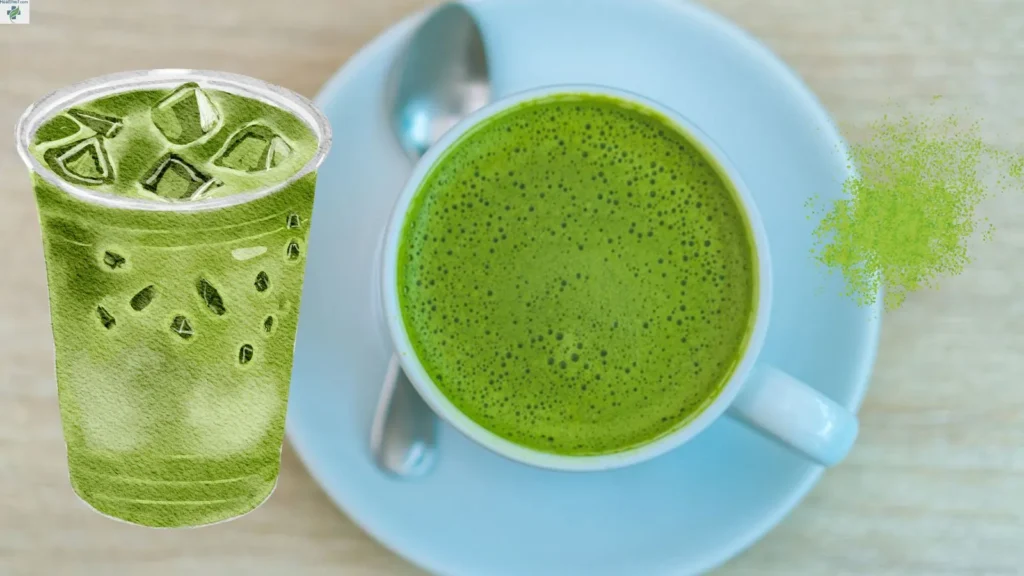
Matcha tea is a powdered form of green tea that naturally contains caffeine. Unlike regular green tea, when you drink matcha, you consume the whole leaf, which means you get a higher concentration of caffeine content along with antioxidants, L-theanine, and other beneficial compounds.
This combination provides a smooth, sustained energy boost without the sudden jitters often associated with coffee.
RELATED: Granulated Sugar: Health Effects, Uses, and Safety Guide
What Is Matcha and How It Contains Caffeine
Matcha is a finely ground powder made from specially grown green tea leaves. Unlike traditional tea, where leaves are steeped, matcha is consumed entirely, meaning you ingest the whole leaf. This method increases both caffeine and antioxidants. On average, a teaspoon of matcha contains 30–70 mg of caffeine, depending on the grade and preparation.
In addition,
Matcha contains L-theanine, an amino acid that promotes relaxation while reducing the jittery effects of caffeine. This combination produces sustained energy rather than a rapid spike, making matcha a popular alternative to coffee.
How Much Caffeine Is in Matcha Compared to Other Drinks
| Beverage | Serving Size | Caffeine Content |
|---|---|---|
| Matcha | 1 tsp (2 g) | 30–70 mg |
| Brewed Green Tea | 8 oz | 20–45 mg |
| Brewed Coffee | 8 oz | 95 mg |
| Black Tea | 8 oz | 40–70 mg |
As the table shows,
Matcha contains less caffeine than coffee but more than most regular green teas. Its unique preparation and the presence of L-theanine provide a smooth alertness without crashes.
Benefits of Matcha Caffeine
Health and Cognitive Benefits.
Boosts Energy and Focus:
The combination of caffeine and L-theanine promotes alertness and mental clarity.
Enhances Metabolism:
Caffeine increases fat oxidation and thermogenesis, supporting weight management.
Improves Mood:
Regular matcha consumption may reduce stress and anxiety due to its calming compounds.
Supports Brain Function:
Caffeine helps improve attention, memory, and reaction time.
Antioxidant Power:
Matcha is rich in catechins and EGCG, which may protect cells from oxidative stress.
These benefits explain why matcha is popular among students, athletes, and professionals seeking sustained energy.
Uses of Matcha in Daily Life
Matcha is versatile beyond a simple tea drink. It can be:
- Whisked into traditional tea for a calming ritual.
- Added to smoothies or lattes for energy without coffee jitters.
- Used in baking for flavor and antioxidant content.
- Incorporated into health supplements or protein powders.
Consuming matcha in these forms allows you to enjoy caffeine benefits while introducing natural antioxidants into your diet.
Side Effects and Safety of Matcha Caffeine
Although matcha is generally safe, too much caffeine can cause side effects, especially in sensitive individuals:
- Insomnia or sleep disturbances
- Nervousness or jitteriness
- Increased heart rate
- Digestive discomfort
People who are pregnant, breastfeeding, or have heart conditions should consult a healthcare provider before consuming matcha. Limiting intake to 1–2 servings per day usually prevents adverse effects.
Practical Tips for Consuming Matcha Safely
- Start with 1/2 to 1 teaspoon per day and observe your tolerance.
- Avoid consuming matcha late at night to prevent insomnia.
- Use high-quality ceremonial grade matcha to avoid contamination with heavy metals.
- Combine with water or milk to moderate caffeine absorption.
- Limit sugar and additives to maintain health benefits.
When to See a Doctor
If you experience persistent palpitations, nausea, dizziness, or anxiety after consuming matcha or other caffeinated products, consult a doctor. Additionally, those with caffeine sensitivity or underlying heart conditions should discuss safe limits with a healthcare professional.
FAQs About Matcha and Caffeine
1. Does matcha have more caffeine than green tea?
Yes, matcha contains the whole tea leaf, giving it more caffeine than brewed green tea.
2. Can matcha replace coffee?
Matcha can replace coffee for a gentler, longer-lasting energy boost.
3. How much matcha should I drink per day?
1–2 teaspoons per day are generally safe for most adults.
4. Is matcha caffeine bad for sleep?
Consuming matcha late at night may cause insomnia, so drink it in the morning or early afternoon.
5. Does matcha have health benefits besides caffeine?
Yes, matcha is rich in antioxidants, L-theanine, and catechins, supporting metabolism, immunity, and brain health.
6. Can I drink matcha if I am pregnant?
Consult your doctor, as excess caffeine can be harmful during pregnancy.
7. What is the best time to drink matcha?
Morning or early afternoon is ideal for sustained alertness without affecting sleep.
Summary
Matcha contains caffeine, providing smooth energy, focus, and metabolic benefits. Its combination with L-theanine reduces jitters and promotes calm alertness. Safe consumption is key, with 1–2 teaspoons daily offering health advantages without major side effects.
Medical Disclaimer
This article is for informational purposes only and should not replace professional medical advice. Consult your doctor before making dietary changes or if you have medical conditions. Individual tolerance to caffeine may vary.

Daniel Carter writes about fitness and healthy living. His goal is to help readers improve their health with simple and effective habits.