

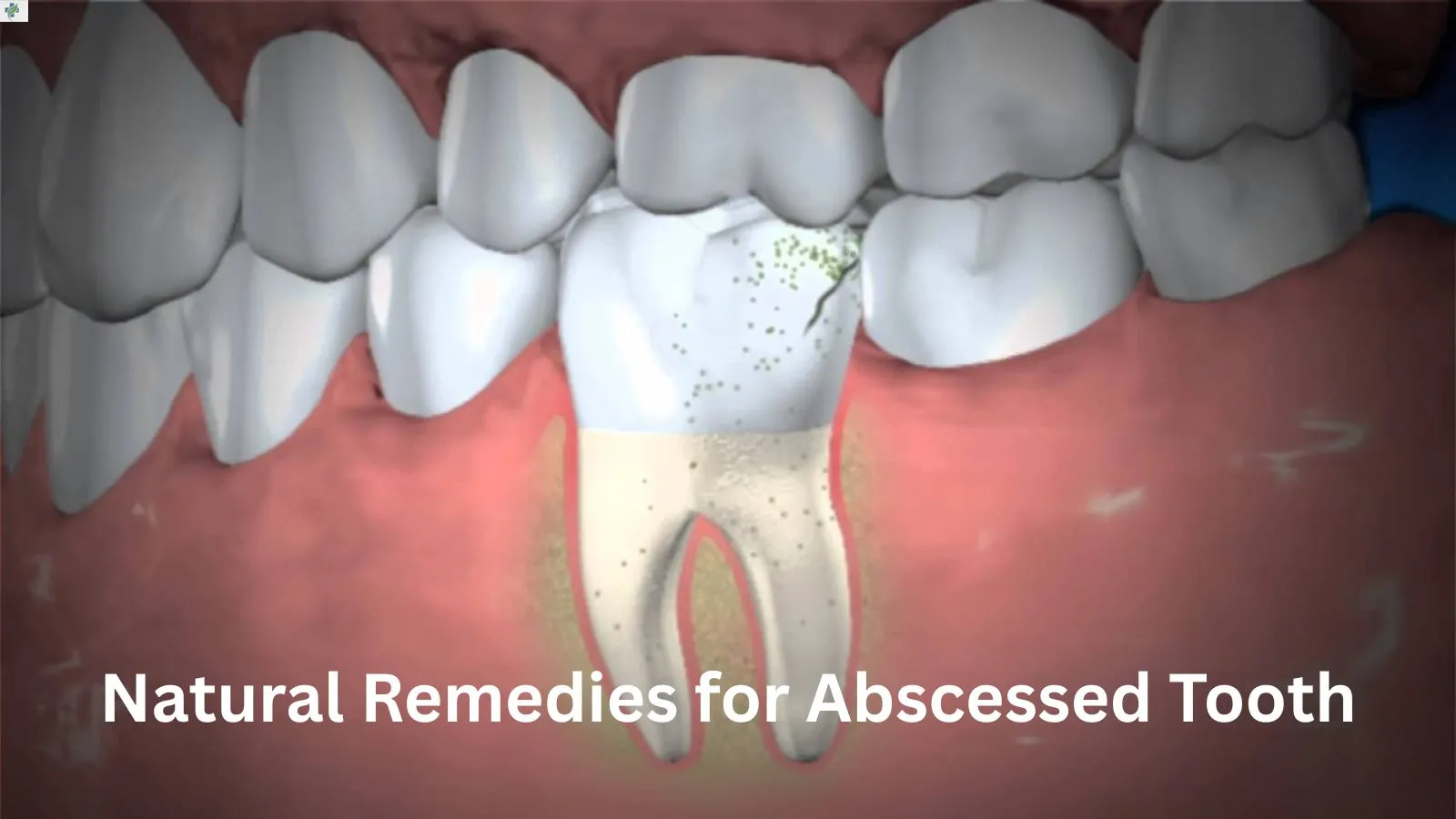
A sudden toothache can feel like a tiny thunderstorm inside your mouth. Yet sometimes the pain hides something more serious. One common culprit is an abscessed tooth, a dental infection that forms a pocket of pus around a tooth root or gum tissue.
At first, the discomfort may seem minor. However, if ignored, the infection can spread and trigger severe complications. Therefore, recognizing early warning signs is extremely important.
What Is an Abscessed Tooth?
An abscessed tooth is a bacterial infection that produces a pus-filled sac inside the tooth, gums, or surrounding bone. This infection usually develops when bacteria invade the tooth pulp, the soft center containing nerves and blood vessels.
Over time, the infection creates pressure. Consequently, swelling, pain, and inflammation begin to appear.
Dentists generally classify three types of tooth abscess:
| Type | Location | Description |
|---|---|---|
| Periapical abscess | Tip of the tooth root | Usually caused by untreated tooth decay |
| Periodontal abscess | Gum tissue | Starts in gum pockets around teeth |
| Gingival abscess | Surface of the gum | Often caused by trapped debris |
Each type requires professional care to prevent infection spread.
Causes of an Abscessed Tooth
Understanding the causes helps reduce the risk of developing an abscessed tooth. Most cases originate from bacterial invasion due to poor oral hygiene or dental damage.
Common causes include:
- Untreated cavities allowing bacteria to reach tooth pulp
- Cracked or chipped teeth that expose inner layers
- Advanced gum disease (periodontitis)
- Dental trauma or injury
- Food particles trapped in gums
- Weak immune system or chronic illness
Additionally, sugary diets and irregular brushing create ideal conditions for bacteria growth.
RELATED: carpal tunnel natural remedies
How the Infection Forms
Below is a simplified process of abscess development:
Tooth decay → Bacteria reach pulp → Infection begins
        ↓
Inflammation and pus buildup
        ↓
Pressure inside tooth root
        ↓
Abscessed tooth forms
Once this pocket forms, pain often becomes intense and persistent.
Symptoms of an Abscessed Tooth
Often the first signal of an abscessed tooth is a deep, throbbing toothache. Yet several other symptoms may also appear.
Typical signs:
- Severe, constant tooth pain
- Swollen gums near the infected tooth
- Sensitivity to hot or cold foods
- Bad taste in the mouth
- Fever or fatigue
- Facial swelling
- Difficulty chewing or opening the mouth
- Swollen lymph nodes in the neck
Sometimes the abscess may rupture. When that happens, you might notice a sudden release of foul-tasting fluid and temporary pain relief.
However, the infection still remains and requires dental treatment.
Treatment Options for an Abscessed Tooth
Treating an abscessed tooth aims to remove infection and preserve the tooth whenever possible. Dentists choose treatment based on infection severity.
1. Abscess Drainage
First, the dentist may make a small incision to release trapped pus. This procedure reduces pressure and pain.
2. Root Canal Treatment
Next, a root canal removes infected pulp from inside the tooth.
Steps usually:
- Removing infected tissue
- Cleaning the root canals
- Filling and sealing the tooth
This treatment often saves the natural tooth structure.
3. Tooth Extraction
If the tooth is severely damaged, removal might be necessary. After extraction, dentists may recommend implants or bridges.
4. Antibiotics
Dentists sometimes prescribe antibiotics when infection spreads beyond the tooth.
Common antibiotics include:
- Amoxicillin
- Clindamycin
- Metronidazole
These medications control bacterial growth but do not replace dental procedures.
Benefits of Early Treatment
Early treatment of an abscessed tooth offers several health advantages.
- Prevents infection from spreading to jawbone or bloodstream
- Preserves natural teeth
- Reduces severe pain and swelling
- Prevents costly dental procedures later
- Protects overall health
In rare cases, untreated dental infections may lead to serious conditions such as sepsis.
Safety and Possible Side Effects of Treatment
Dental treatments are generally safe. However, mild side effects sometimes occur.
Possible temporary effects include:
- Gum soreness after drainage
- Mild jaw discomfort
- Temporary tooth sensitivity
- Minor swelling
Antibiotics may also cause digestive upset in some patients.
Fortunately, most symptoms fade within a few days after treatment.
Practical Tips to Prevent an Abscessed Tooth
Prevention remains the easiest strategy against dental infections.
Follow these simple habits:
- Brush teeth twice daily using fluoride toothpaste
- Floss between teeth every day
- Limit sugary snacks and drinks
- Visit a dentist every six months
- Treat cavities and cracks early
- Replace worn dental fillings
Additionally, drinking water after meals helps wash away food debris and bacteria.
When to See a Doctor or Dentist
Never ignore persistent tooth pain. Seek dental care immediately if you notice:
- Severe toothache lasting more than a day
- Swelling in face or jaw
- Fever with dental pain
- Trouble breathing or swallowing
- Pus discharge from gums
These symptoms may indicate an advanced abscessed tooth infection that requires urgent care.
Frequently Asked Questions
1. Can an abscessed tooth heal on its own?
No. An abscessed tooth usually does not heal without dental treatment because the infection remains trapped inside.
2. How long can an abscessed tooth go untreated?
The infection can worsen within days or weeks. Without treatment, it may spread to surrounding tissues.
3. What does an abscessed tooth feel like?
Most people experience throbbing pain, gum swelling, and extreme sensitivity to hot or cold.
4. Can saltwater help an abscessed tooth?
Saltwater rinses may temporarily reduce bacteria and swelling, but they cannot cure the infection.
5. Is an abscessed tooth a dental emergency?
Yes. Severe pain, facial swelling, or fever requires immediate dental attention.
6. Can antibiotics cure an abscessed tooth completely?
Antibiotics help control infection, but dental procedures like drainage or root canal are usually required.
Summary
An abscessed tooth is a painful dental infection caused by bacteria invading the tooth pulp or gums. Common causes include untreated cavities, cracked teeth, and gum disease.
Symptoms often involve severe tooth pain, swelling, sensitivity, and fever. Dentists treat the infection using drainage, root canal therapy, antibiotics, or extraction.
Early treatment prevents serious complications and helps preserve natural teeth. Maintaining strong oral hygiene remains the best protection against dental infections.
Medical Disclaimer
This article is for informational purposes only and does not replace professional medical advice. Always consult a qualified dentist or healthcare provider for diagnosis and treatment of dental conditions.

Michael Anderson is a health content writer covering general wellness topics. He aims to make health information simple and easy to understand.