

Ever noticed your vision getting hazy and wondered if it’s astigmatism or just blurry vision? You’re not alone. Many people confuse these two terms, yet they are not identical. While both affect how clearly you see, their causes and treatments can differ significantly.
|RELATED: Anxiety NYT Crossword: Meaning, Clues, and Health Impact
What Is Blurry Vision?
Blurry vision sneaks in quietly and makes everything look out of focus. It is not a condition itself but a symptom of various eye issues.
Common Features of Blurry Vision
- Objects appear fuzzy or unclear
- Difficulty focusing at any distance
- Can affect one or both eyes
- May be temporary or persistent
Everyday Causes of Blurry Vision
Blurry vision can arise from many factors, such as:
- Eye strain from screens
- Dry eyes
- Fatigue
- Poor lighting
- Refractive errors (like nearsightedness)
In essence, blurry vision is a broad symptom, not a specific diagnosis.
What Is Astigmatism?
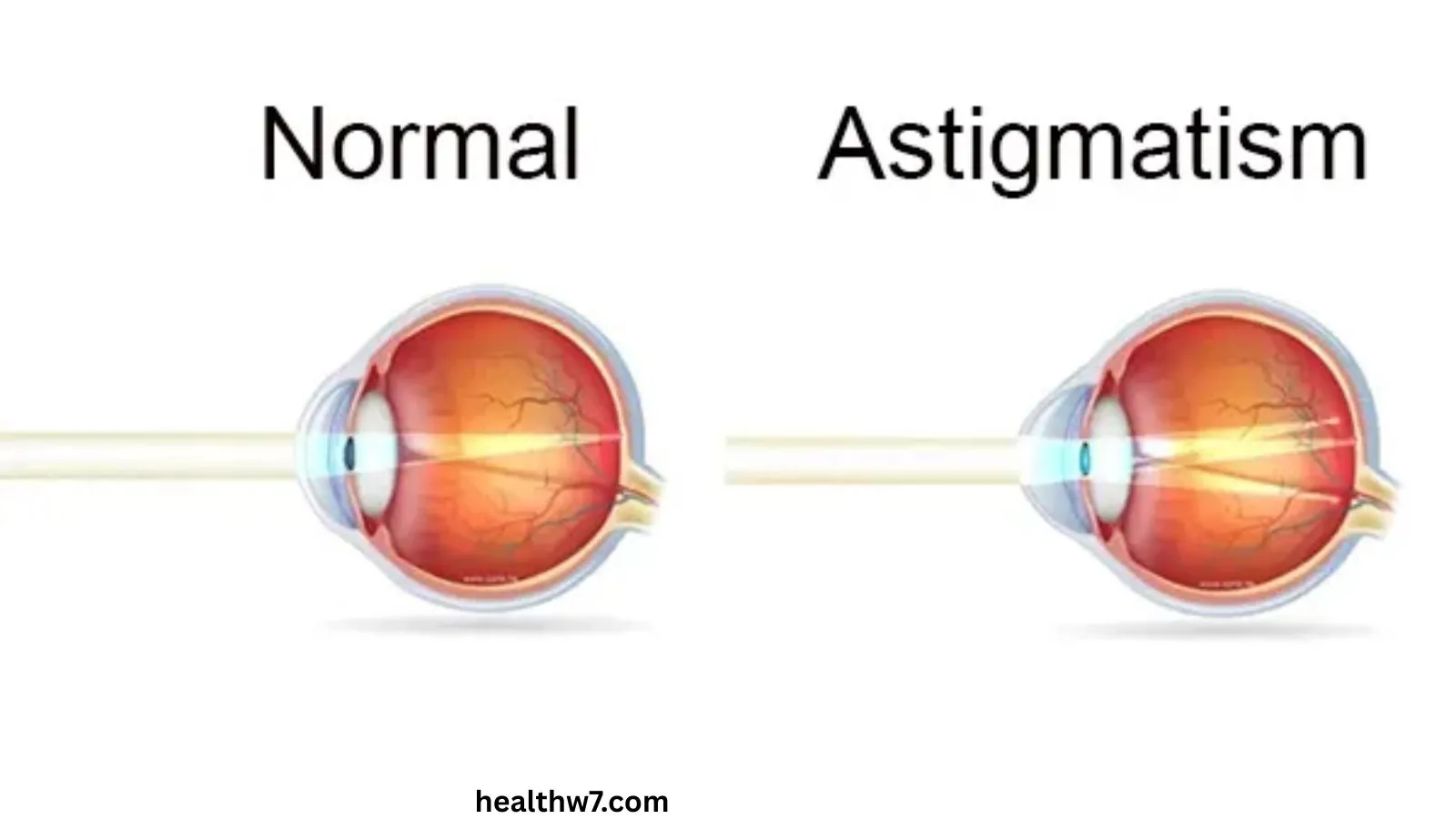
Astigmatism distorts your vision due to an irregular eye shape. Instead of being perfectly round, the cornea or lens becomes slightly oval.
How Astigmatism Affects Vision
- Light doesn’t focus evenly on the retina
- Vision appears distorted or stretched
- Both near and far objects may look unclear
Astigmatism vs Blurry Vision: Key Differences
Understanding their distinction can prevent misdiagnosis and confusion.
| Feature | Astigmatism | Blurry Vision |
|---|---|---|
| Definition | Specific eye condition | General symptom |
| Cause | Irregular cornea/lens shape | Many possible causes |
| Vision Type | Distorted and blurry | Only blurry |
| Duration | Usually long-term | Temporary or chronic |
| Treatment | Glasses, contacts, surgery | Depends on underlying cause |
In short:
Astigmatism can cause blurry vision, but not all blurry vision is astigmatism.
Causes of Astigmatism vs Blurry Vision
Pinpointing the cause is the first step toward clear sight.
Causes of Astigmatism
- Genetics (often inherited)
- Eye injury or surgery
- Keratoconus (cornea thinning condition)
Causes of Blurry Vision
- Refractive errors (myopia, hyperopia)
- Dry eye syndrome
- Eye infections
- Diabetes-related eye problems
- Aging (presbyopia)
While astigmatism has specific structural causes, blurry vision has a wider range of triggers.
Symptoms: How to Tell Them Apart
The Symptoms of Astigmatism
- Distorted vision (lines may look wavy)
- Eye strain
- Headaches
- Difficulty seeing at night
Symptoms of Blurry Vision
- Loss of sharpness
- Squinting frequently
- Trouble focusing
- Watery or tired eyes
If distortion accompanies blurriness, astigmatism is more likely.
Diagnosis: How Eye Doctors Identify the Problem
Accurate diagnosis requires professional evaluation.
Eye specialists use:
- Vision tests (eye charts)
- Refraction tests
- Keratometry (measures cornea curvature)
These tests help differentiate astigmatism vs blurry vision causes effectively.
Treatment Options
Fortunately, both conditions are manageable with the right approach.
Treatment for Astigmatism
- Prescription glasses
- Toric contact lenses
- LASIK or PRK surgery
Treatment for Blurry Vision
Cause:
- Artificial tears for dry eyes
- Proper lighting and screen breaks
- Corrective lenses
- Treating underlying conditions
Benefits of Treating Astigmatism and Blurry Vision
Clear vision improves more than just sight—it enhances life quality.
- Better focus and productivity
- Reduced headaches and eye strain
- Improved night vision
- Enhanced safety while driving
Ignoring symptoms can worsen eye health over time.
Safety and Side Effects of Treatments
Most treatments are safe, but awareness matters.
Glasses and Contacts
- Minimal risk
- Possible initial discomfort
Eye Surgery
- Temporary dryness
- Light sensitivity
- Rare complications
Always consult a qualified eye specialist before choosing treatment.
Practical Tips for Better Eye Health
Small daily habits can make a big difference.
- Follow the 20-20-20 rule (rest eyes every 20 minutes)
- Keep screens at eye level
- Stay hydrated
- Eat vitamin-rich foods (A, C, E)
- Avoid rubbing your eyes
These habits help reduce both astigmatism discomfort and blurry vision triggers.
When to See a Doctor
Don’t ignore persistent vision problems.
Seek medical advice if you experience:
- Sudden vision changes
- Frequent headaches
- Difficulty seeing at night
- Blurry vision lasting more than a few days
Early diagnosis prevents complications.
FAQs
What is the main difference between astigmatism vs blurry vision?
Astigmatism is a specific eye condition, while blurry vision is a general symptom caused by many issues.
Can astigmatism cause blurry vision?
Yes, astigmatism often leads to blurry and distorted vision.
Is blurry vision always serious?
Not always, but persistent blurriness may indicate an underlying eye problem.
Can astigmatism go away on its own?
No, it usually requires correction with glasses, contacts, or surgery.
How do I know if I have astigmatism or just blurry vision?
An eye exam is the only accurate way to determine the cause.
Can screen time cause astigmatism?
No, but it can worsen eye strain and make blurry vision more noticeable.
Is astigmatism dangerous?
It is not dangerous but can affect daily life if untreated.
Summary
Astigmatism vs blurry vision may seem similar, but they are fundamentally different. Astigmatism is a structural eye condition, while blurry vision is a symptom with multiple causes. Recognizing the difference helps you seek the right treatment and protect your eyesight.
Medical Disclaimer
This article is for informational purposes only and does not replace professional medical advice. Always consult a qualified eye care specialist for diagnosis and treatment of any vision problems.

Dr. Alex Morgan is a health writer focused on nutrition and disease prevention. He shares simple and practical advice to help readers live healthier lives.