

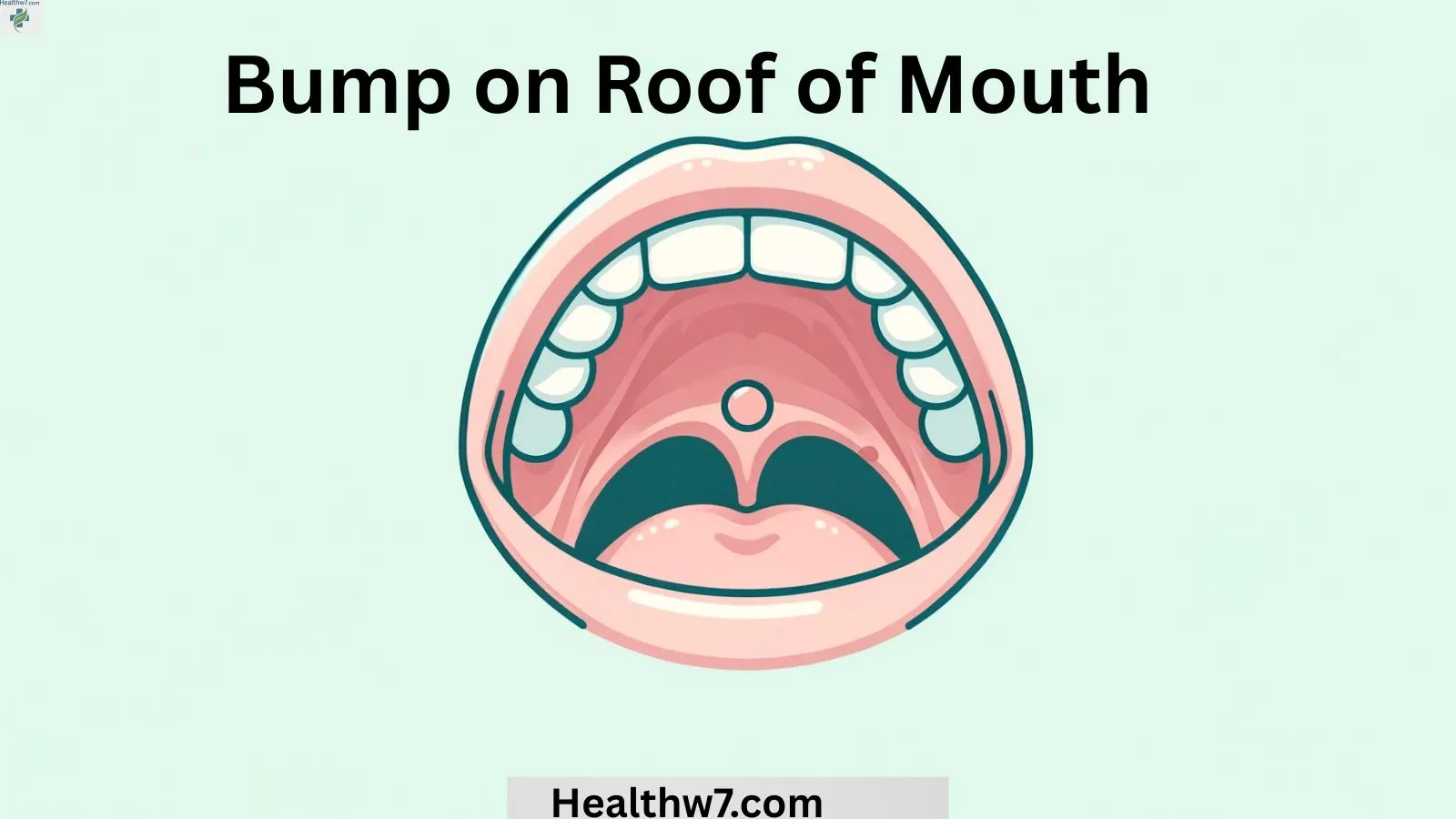
Have you ever felt a strange bump on the roof of your mouth with your tongue? It can feel scary. But the good news is — most mouth bumps are harmless.
A lump on the hard palate can happen due to infections, injuries, cysts, or sometimes more serious conditions like oral cancer. In this guide, we explain all possible causes in simple language.
RELATED: Glutathione Benefits: Complete Guide to Health
Common Causes of a Bump on the Roof of the Mouth
Torus Palatinus
This is a harmless bony growth on the palate. It usually feels hard and painless oral lump and does not require treatment.
Symptoms:
- Hard lump in center
- Smooth or slightly bumpy
- Slowly grows over time
🔹 Usually no treatment needed unless it affects dentures.
Nasopalatine Duct Cyst
A fluid-filled cyst that forms in the midline of the palate. It may cause palatal lesions and mild swelling.
Symptoms:
- Small swelling
- Usually painless
- May need surgical removal if infected
Canker Sores
Small, painful ulcers that appear as canker sore on roof of mouth. They often heal on their own in a few days.
Causes:
- Stress
- Mouth injury
- Food allergies
They heal in 1–2 weeks.
Cold Sores
Caused by the herpes virus, these cold sore oral lesions form blisters on the palate. They can be contagious and uncomfortable.
Symptoms:
- Tingling before blister
- Painful clustered sores
- Heal in 2–3 weeks
Very contagious.
Epstein Pearls
Tiny white cysts in newborns, known as Epstein pearls in newborn, usually disappear naturally within weeks without treatment.
Small white cysts in newborn babies.
- Harmless
- Disappear within 3 months
Mucoceles:
Soft, fluid-filled bumps due to blocked salivary glands. These mucous cyst oral cavity lesions often resolve themselves but may recur.
Mucus cyst caused by salivary gland blockage.
- Round
- Bluish or clear
- Painless
- May burst while eating
Squamous Papilloma
Caused by human papillomavirus oral growth, this small growth is usually benign but can be surgically removed if needed.
Looks like cauliflower
White or pink
Usually painless
Hyperdontia
Extra teeth growing in the palate, called extra tooth in palate, can cause discomfort or jaw pain and may require extraction.
Can cause:
- Jaw pain
- Headache
- Facial discomfort
Detected via dental X-ray.
Dental Trauma
Injuries from burns, hard foods, or dental procedures can create dental trauma oral cavity and palatal burns that result in painful bumps.
Oral Cancer
Rare but serious, squamous cell carcinoma oral cavity can form persistent lumps. Early diagnosis is critical for effective treatment.
Warning Signs:
- Lump that doesn’t heal
- Bleeding sore
- Red or white patches
- Difficulty swallowing
- Jaw stiffness
Smoking increases risk.
Symptoms and How to Identify Different Bumps
Bumps on the roof of the mouth differ in color, size, texture, and pain. Some, like Torus palatinus, are painless oral lumps, while others, such as canker sore on roof of mouth, are painful bump on roof of mouth. Swollen palate can accompany infections, and blisters on roof of mouth may appear in viral illnesses.
Other signs include oral sores when eating, bumps after dental work, or bumps from burns or hot food. Persistent or unusual bumps, especially recurring mouth bumps or lumps on tongue and palate, require professional attention to prevent complications.
When to Seek Medical Care
Persistent Pain or Swelling
If a painful bump on roof of mouth does not improve within two weeks, see a doctor. Early evaluation helps prevent complications.
Bleeding or Color Changes
Bumps that bleed or change color may indicate palatal lesions or infection. Prompt medical attention is essential.
Rapid Growth:
Any fast-growing oral cavity lumps should be assessed immediately. Rapid changes can signal serious conditions like oral cancer risk factors.
Accompanied Symptoms
Fever, sore throat, or difficulty eating with a bump may suggest oral cavity infection. Medical care ensures proper treatment.
Recurring or Unusual Bumps
Repeated recurring mouth bumps or unusual lumps, especially near teeth or palate, should be examined by a professional.
Diagnosis and Treatment Options
Doctors use dental examination and oral lesion diagnosis to determine causes. Imaging or a biopsy for oral growth may be required in suspicious cases. Monitoring palatal bumps is sufficient for minor growths, but cyst removal or surgical excision oral growth is sometimes necessary.
Infections like candidiasis (oral thrush) respond to antifungal treatment oral thrush, and viral lesions may heal on their own with supportive care. Treatment is tailored to whether the bump is benign oral growth, infectious, or due to trauma.
Home Care and Prevention Tips
- Home Care
First, gently clean your teeth and rinse your mouth to prevent oral cavity infection. Meanwhile, avoid irritating the bump and stay hydrated to support the oral cavity healing process.
2. Prevention Tips
Protect your palate from hot foods or sharp objects to prevent palatal burns. Maintain regular dental check-ups and monitor for recurring mouth bumps to catch issues early.
FAQs of Bump on Roof of Mouth
What does a lump on the roof of your mouth mean?
It can be harmless like Torus palatinus or mucous cyst oral cavity, but sometimes indicates infection or oral cancer risk factors.
|See Also Raspberry Leaf Tea: Antioxidants, Fertility, and Herbal Wellness
Could stress cause a bump on the roof of my mouth?
Yes, stress can trigger canker sore on roof of mouth or minor oral mucosa bumps.
What is a benign tumor in the mouth?
A growth like squamous papilloma mouth that is noncancerous and usually doesn’t spread.
Should I see a doctor for a mouth bump?
Yes, especially if it persists, bleeds, changes color, or causes pain.
What STD causes bumps on the roof of your mouth?
Some viral STDs, like human papillomavirus oral growth, can cause palatal lesions.
How long do mouth bumps usually last?
Minor bumps like canker sores or mucoceles often heal in 1–2 weeks.
Why is the bump in my mouth not going away?
Persistent bumps may be due to benign oral growth, infection, or rarely squamous cell carcinoma oral cavity.
How common are bumps in the mouth?
Very common; many people experience tongue and palate bumps or palatal lesions at some point.
How to heal bumps on inside of mouth?
Maintain oral cavity healing process with good hygiene, avoid irritants, and use medication if infection is present.
Final Thoughts About Bump on Roof of Mouth
A bump on the roof of the mouth is usually harmless, but understanding causes is important. Some bumps result from benign oral growth, while others may indicate infection or rare conditions like oral cancer risk factors. Proper hygiene, avoiding trauma, and monitoring changes support oral cavity healing process. Persistent or painful bumps should always be evaluated by a healthcare professional. Early diagnosis ensures safe and effective treatment, giving peace of mind and protecting oral health.

Dr. Alex Morgan is a health writer focused on nutrition and disease prevention. He shares simple and practical advice to help readers live healthier lives.