

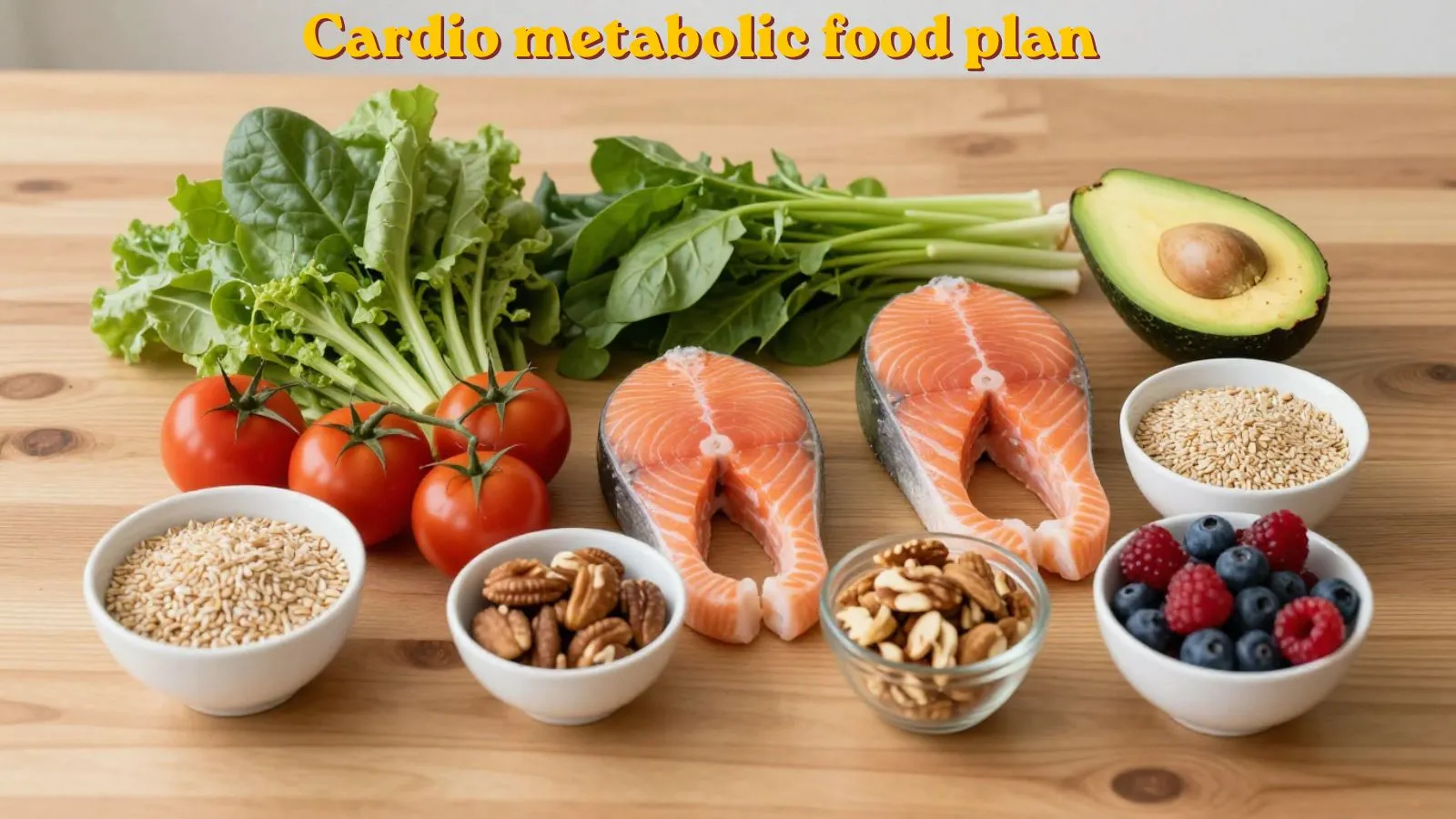
Imagine fueling your body with foods that simultaneously support your heart and metabolism.
A well-structured cardio metabolic food plan does exactly that. It blends nutrient-dense ingredients to improve cardiovascular function, stabilize blood sugar, and enhance energy balance.
What Is a Cardio Metabolic Food Plan?
At its core, a cardio metabolic food plan focuses on synergy between heart health and metabolic efficiency. It prioritizes whole foods that reduce inflammation, regulate glucose, and improve lipid profiles.
Key Features:
- Balanced macronutrients Examples: proteins, fats, carbs
- High fiber intake
- Low refined sugar consumption
- Healthy fats emphasis
- Moderate calorie control
Moreover, it encourages consistency rather than restriction.
|See also: Life Seasons Metabolism: A Complete Health Guide
Why Your Body Needs It
Surprisingly, many chronic diseases share the same root causes. Poor diet, stress, and inactivity disrupt metabolic pathways and strain the heart.
Benefits of a Cardio Metabolic Food Plan:
- Improves heart function and circulation
- Stabilizes blood sugar levels
- Supports healthy weight management
- Reduces inflammation
- Enhances energy and mental clarity
Consequently, this plan is often recommended for long-term wellness.
Cardiometabolic Food Plan Weekly Planner and Recipes
| Component | Details |
|---|---|
| Overview | A structured weekly planner organizes balanced meals to support cardiovascular and metabolic health effectively. |
| Key Foods | Includes lean proteins, whole grains, vegetables, and healthy fats for optimal nutrition. |
| Recipes Focus | Simple, nutrient-dense recipes designed for easy preparation and consistency. |
| Benefits | Stabilizes blood sugar, improves energy levels, and promotes long-term adherence to healthy eating habits. |
Cardiometabolic Food Plan Food List
| Category | Details |
|---|---|
| Whole Foods | Emphasizes minimally processed foods like fruits, vegetables, legumes, and whole grains. |
| Healthy Fats | Includes olive oil, nuts, seeds, and fatty fish to improve heart health. |
| Protein Sources | Lean meats, fish, beans, and plant-based proteins for metabolic support. |
| Avoid | Limits refined sugars, processed foods, and trans fats for better cardiometabolic outcomes. |
IFM Food Plan List
| Component | Details |
|---|---|
| Approach | Based on functional medicine principles focusing on root causes of metabolic imbalance. |
| Food Choices | Organic vegetables, clean proteins, and low-glycemic carbohydrates are prioritized. |
| Health Focus | Supports gut health, reduces inflammation, and enhances metabolic function. |
| Customization | Tailored to individual needs for personalized nutrition and improved long-term health outcomes. |
12 Week Metabolic Meal Plan List
| Phase | Details |
|---|---|
| Structure | A progressive 12-week plan designed to improve metabolic flexibility and overall health. |
| Nutritional Focus | Balanced macronutrients with portion control and nutrient timing strategies. |
| Habit Building | Encourages gradual lifestyle changes and sustainable eating patterns. |
| Results | Enhances insulin sensitivity, supports weight management, and improves energy regulation over time. |
Metabolic Syndrome Diet Plan List
| Component | Details |
|---|---|
| Goal | Targets risk factors like high blood pressure, insulin resistance, and excess abdominal fat. |
| Recommended Foods | Fiber-rich vegetables, lean proteins, and unsaturated fats for improved metabolic health. |
| Restrictions | Reduces sodium, added sugars, and unhealthy fats significantly. |
| Outcome | Helps restore metabolic balance and lowers the risk of cardiovascular complications effectively. |
Metabolic Syndrome Diet Menu Plan
| Meal Type | Details |
|---|---|
| Breakfast | Balanced meals with whole grains, protein, and healthy fats for steady energy release. |
| Lunch | Includes vegetables, lean proteins, and complex carbohydrates for sustained metabolism. |
| Dinner | Light, nutrient-rich meals supporting digestion and overnight metabolic function. |
| Overall Benefit | Promotes stable blood sugar, reduces inflammation, and improves cardiometabolic health through consistency. |
Essential Foods to Include
Choosing the right foods is the cornerstone of success. Focus on nutrient density over empty calories.
1. Heart-Healthy Fats
- Olive oil
- Avocados
- Nuts and seeds
These fats improve cholesterol levels and support cellular function.
2. Lean Proteins
- Fish (especially fatty fish)
- Chicken breast
- Lentils and beans
Protein helps repair tissues and maintain muscle mass.
3. Complex Carbohydrates
- Whole grains
- Oats
- Brown rice
Unlike refined carbs, these provide steady energy release.
4. Fiber-Rich Foods
- Vegetables
- Fruits
- Legumes
Fiber aids digestion and controls blood sugar spikes.
5. Antioxidant Foods
- Berries
- Green tea
- Leafy greens
They combat oxidative stress and inflammation.
Foods to Limit or Avoid
Equally important is knowing what to exclude. Certain foods disrupt metabolic harmony.
- Processed foods
- Sugary beverages
- Trans fats
- Excess sodium
- Refined carbohydrates
Over time, these can increase the risk of heart disease and metabolic syndrome.
Sample Daily Meal Plan
| Meal | Food Choices |
|---|---|
| Breakfast | Oatmeal with berries and nuts |
| Snack | Apple with almond butter |
| Lunch | Grilled chicken salad with olive oil dressing |
| Snack | Greek yogurt with seeds |
| Dinner | Salmon, quinoa, and steamed vegetables |
Causes of Poor Cardio-Metabolic Health
Modern habits often sabotage our health silently. Several factors contribute to imbalance:
- Sedentary lifestyle
- Poor diet choices
- Chronic stress
- Lack of sleep
- Genetic predisposition
Therefore, addressing these causes is crucial for prevention.
Symptoms of Cardio-Metabolic Imbalance
Early warning signs are often subtle but significant.
- Persistent fatigue
- Weight gain (especially abdominal)
- High blood pressure
- Elevated blood sugar
- Brain fog
Ignoring these symptoms may lead to serious conditions.
Treatment and Management
Fortunately, lifestyle adjustments can reverse many risks.
Dietary Changes
Adopting a cardio metabolic food plan is the first step.
Physical Activity
- 30 minutes of moderate exercise daily
- Strength training twice weekly
Stress Management
- Meditation
- Deep breathing exercises
Medical Support
Doctors may recommend medications if necessary.
Practical Tips for Success
Consistency beats perfection every time.
- Plan meals in advance
- Read food labels carefully
- Cook at home more often
- Avoid skipping meals
- Stay physically active
Additionally, small habits compound into long-term results.
When to See a Doctor
Certain symptoms require professional evaluation.
- Persistent high blood pressure
- Uncontrolled blood sugar
- Chest discomfort
- Rapid weight changes
Early intervention can prevent complications.
FAQs About Cardio metabolic food plan
What is a cardio metabolic food plan?
It is a dietary approach designed to improve heart health and metabolic function simultaneously.
Can this plan help with weight loss?
Yes, it supports sustainable weight management by balancing nutrients and reducing excess calories.
Is it suitable for diabetics?
Yes, it helps regulate blood sugar levels, but medical guidance is recommended.
How long does it take to see results?
Most people notice improvements within 4–8 weeks with consistent adherence.
Are cheat meals allowed?
Occasional indulgences are acceptable if overall balance is maintained.
Can vegetarians follow this plan?
Absolutely, plant-based proteins and whole foods can be used effectively.
Summary
A cardio metabolic food plan offers a powerful pathway to better health. By combining heart-friendly foods with metabolic balance, it reduces disease risk and improves overall vitality. With consistent effort, simple changes can yield profound benefits.
Medical Disclaimer
This article is for informational purposes only and does not replace professional medical advice. Always consult a qualified healthcare provider before making dietary or lifestyle changes.

Emily Roberts focuses on nutrition and natural remedies. She shares useful health information to promote better living.