

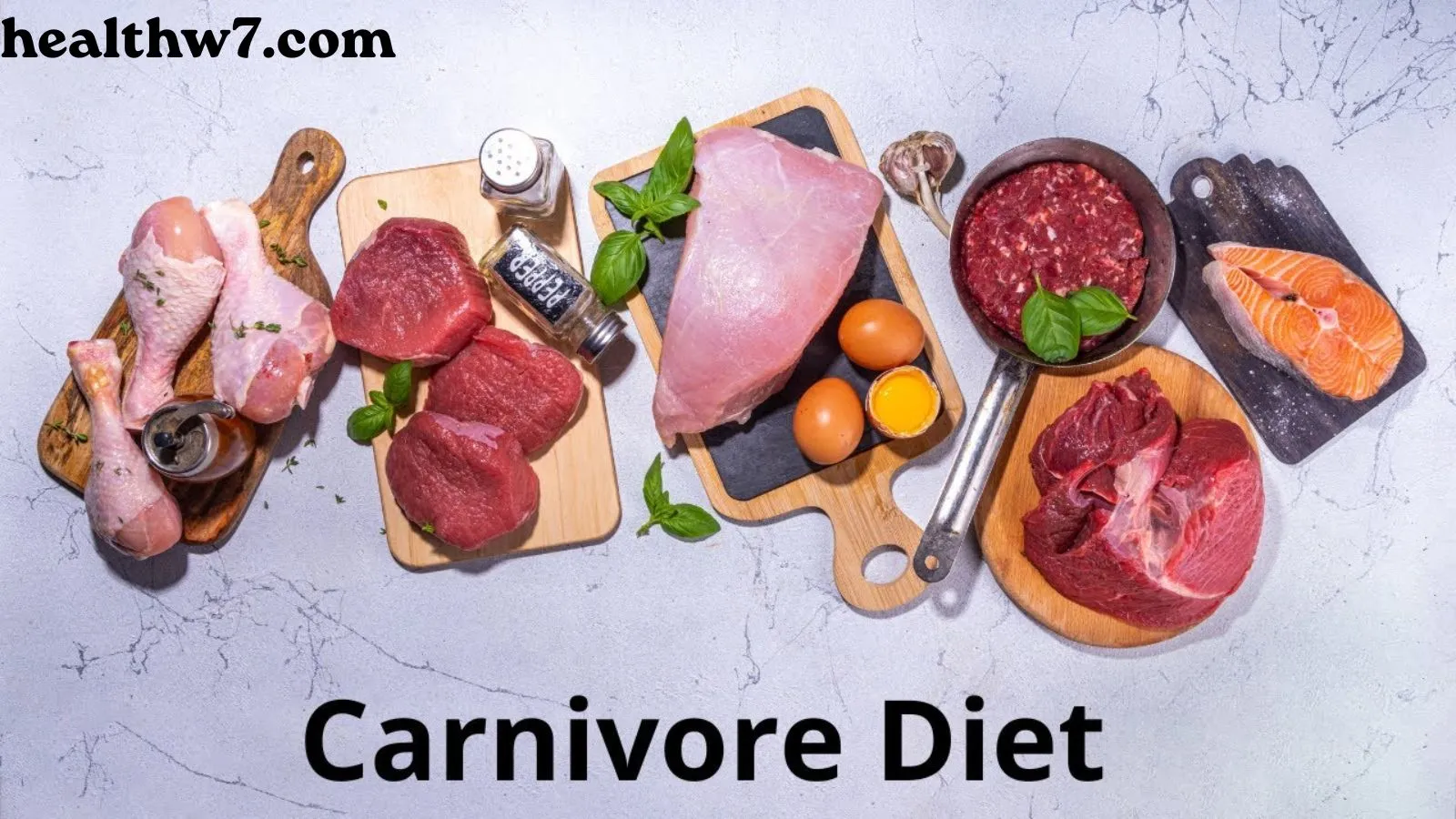
Ever wondered what happens when plants vanish from your plate? The carnivore diet flips modern eating upside down. Instead of colorful veggies and grains, it champions meat, eggs, and animal fats. Surprisingly, many people report energy surges, mental clarity, and weight shifts. However, others raise eyebrows and concerns. So, is this extreme diet a hidden gem or a risky gamble? Let’s unpack the truth in simple, practical terms.
What is Carnivore Diet?
The carnivore diet is a strict eating plan based entirely on animal products. It eliminates plant foods completely, including fruits, vegetables, grains, and legumes. People often consume beef, chicken, fish, eggs, and dairy. In simple terms, it is a zero-carb or near-zero-carb lifestyle.
Interestingly:
This approach is often compared to low-carb diets, ketogenic plans, and animal-based nutrition. However, it goes further by removing fiber and plant compounds. Many followers claim it simplifies eating decisions and reduces food sensitivities.
How is Carnivore Diet Made?
The carnivore diet is not “made” like a recipe. Instead, it is built through food choices. People select only animal-based items for every meal. For example, breakfast may include eggs and butter, while dinner may feature steak or fish.
In practice, the diet often includes:
- Beef, lamb, and poultry
- Fish and seafood
- Eggs and animal fats
- Limited dairy like cheese or butter
However, processed meats are sometimes avoided due to additives. The focus stays on whole animal foods and high-protein meals. This simplicity is part of its appeal.
Is Carnivore Diet Safe?
The safety of the carnivore diet is debated among experts. Some short-term studies suggest benefits like weight loss and improved blood sugar. However, long-term research remains limited.
For example, removing plant foods may reduce inflammation for some people. However, it may also lead to nutrient gaps over time. Vitamins like C and fiber are often missing.
According to research from Harvard Health: https://www.health.harvard.edu, extreme diets can carry risks if not balanced. Therefore, medical supervision is strongly advised. In short, safety depends on individual health and duration.
Why Is Carnivore Diet Used in Food?
The carnivore diet is often used for health experimentation and elimination purposes. People adopt it to identify food intolerances or reduce digestive issues.
For instance, removing plant foods may calm symptoms in people with autoimmune conditions. Additionally, some athletes use it for muscle recovery and high-protein intake.
However, it is not widely recommended in mainstream nutrition. Still, its simplicity attracts those tired of complex diet rules.
Nutritional Value of Carnivore Diet
| Nutrient | Source (Animal Foods) | Role in Body |
|---|---|---|
| Protein | Meat, eggs | Muscle growth, repair |
| Fat | Butter, fatty meat | Energy, hormone support |
| Iron | Red meat | Oxygen transport |
| Vitamin B12 | Meat, fish | Brain and nerve health |
| Zinc | Beef, shellfish | Immunity support |
The carnivore diet delivers high amounts of protein-rich foods and essential fats. However, fiber and certain vitamins are absent. This imbalance may matter over time.
|Learn More about: Metabolic Type Guide: What It Is and How It Affects Health
Benefits of Carnivore Diet
The carnivore diet has gained attention due to reported health benefits. Some users describe rapid improvements in energy and focus.
Firstly, weight loss often occurs because calorie intake naturally drops. Secondly, inflammation may decrease when trigger foods are removed. Additionally, blood sugar levels may stabilize due to low carbohydrate intake.
Moreover, some people experience clearer skin and fewer digestive issues. These benefits are often linked to low-carb nutrition and anti-inflammatory eating. Still, results vary widely.
Risks and Side Effects
Despite its popularity, the carnivore diet carries potential risks. Nutritional imbalance is a key concern. Fiber deficiency may affect digestion and gut health.
For example, constipation is commonly reported during early stages. Furthermore, high saturated fat intake may raise cholesterol in some individuals.
Other possible side effects include:
- Fatigue during adaptation
- Electrolyte imbalance
- Vitamin deficiencies
Therefore, long-term adherence should be approached cautiously. Medical advice is strongly recommended.
Carnivore Diet and Diabetes
The carnivore diet may influence blood sugar control. Since carbohydrates are nearly eliminated, glucose spikes are reduced. This can benefit people with insulin resistance.
However, diabetes management requires careful monitoring. Sudden dietary shifts can affect medication needs. Therefore, changes should be supervised by healthcare professionals.
Interestingly, some individuals report improved HbA1c levels. This effect is linked to low-carb eating and insulin regulation.
Carnivore Diet and Weight Loss
Weight loss is one of the main reasons people try the carnivore diet. High protein intake increases satiety, which reduces hunger naturally.
Additionally, fewer food choices often lead to lower calorie intake. For example, eating steak daily may feel satisfying yet limiting.
Moreover, fat metabolism increases due to low carbohydrate intake. This state resembles ketosis. As a result, the body burns stored fat more efficiently. However, sustainability remains a challenge.
Carnivore Diet and Gut Health
Gut health on the carnivore diets is a controversial topic. On one hand, removing irritants may improve symptoms like bloating. On the other hand, lack of fiber may reduce beneficial gut bacteria.
For instance, fiber feeds the microbiome. Without it, diversity may decline over time. However, some individuals report fewer digestive issues.
This mixed evidence highlights the importance of personalization. The role of gut microbiome balance and digestive health cannot be ignored.
When Should You Avoid It?
Special Conditions and Warnings
The carnivore diet is not suitable for everyone.
- Pregnant or breastfeeding women
- People with kidney disease
- Individuals with heart conditions
- Those needing balanced nutrient intake
In these cases, extreme restriction may cause harm. Therefore, safer alternatives should be considered.
Alternatives to Carnivore Diet
If the carnivore diets feels too extreme, several balanced options exist. These alternatives provide flexibility and better nutrient coverage.
- Ketogenic diet (includes low-carb vegetables)
- Paleo diet (focuses on whole foods)
- Mediterranean diet (heart-healthy balance)
These diets still offer benefits of reduced carbs while maintaining diversity. For many people, balance works better than extremes.
FAQs
1. Is the carnivore diet good for beginners?
It can be challenging due to strict rules and limited food variety.
2. Can I drink coffee on the carnivore diets?
Some allow it, but strict followers avoid plant-based drinks.
3. Does the carnivore diet cause nutrient deficiency?
Yes, certain vitamins and fiber may be lacking long term.
4. How fast can you lose weight on the carnivore diet?
Weight loss may begin within weeks, depending on calorie intake.
5. Is the carnivore diets expensive?
It can be costly due to reliance on high-quality animal foods.
6. Can athletes follow the carnivore diets?
Some do, but performance effects vary widely.
Final Takeaway
The carnivore diet is bold, simple, and highly restrictive. It may offer short-term benefits like weight loss and improved blood sugar. However, long-term safety remains uncertain. Balance, personalization, and medical guidance are essential. In the end, the best diet is one you can sustain while staying healthy.
Medical Disclaimer
This article is for informational purposes only. It does not replace professional medical advice. Always consult a qualified healthcare provider before making dietary changes.

Dr. Alex Morgan is a health writer focused on nutrition and disease prevention. He shares simple and practical advice to help readers live healthier lives.