

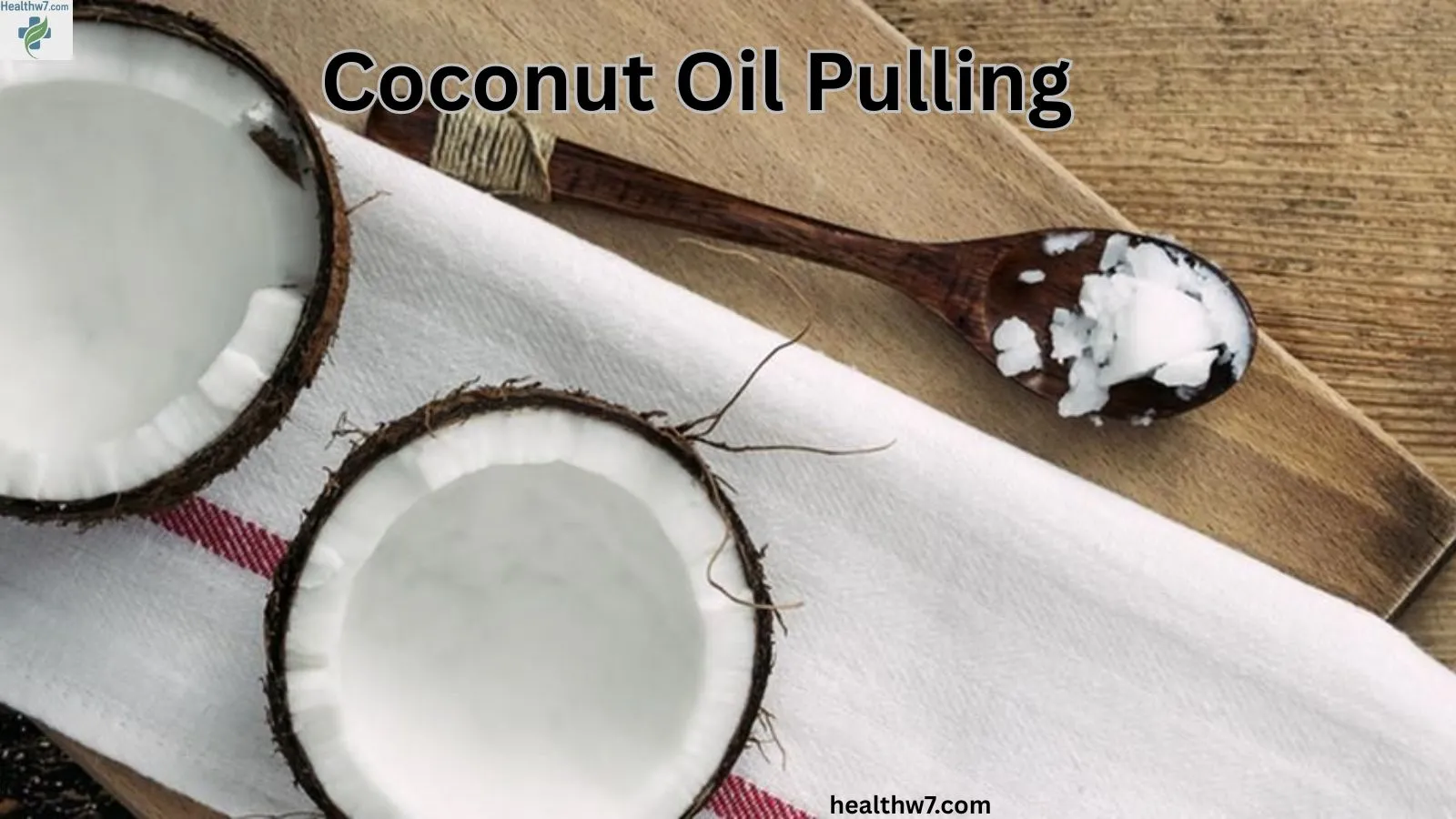
Coconut oil pulling is an ancient practice from traditional Indian oral care, where swishing oil around the mouth helps clean teeth and gums naturally. This practice has gained popularity in the USA because it is a simple, oral hygiene natural remedy that may improve dental health at home. People use it to reduce plaque, fight bacteria, and support overall oral wellness.
Research shows that swishing coconut oil engages the saliva and oil to trap harmful bacteria, debris, and plaque. While it is not a replacement for brushing or flossing, it can act as a natural antibacterial mouth rinse that complements daily oral care. For centuries, it has been considered one of the most effective traditional folk remedies for teeth.
|See Also Glutathione Benefits: Complete Guide to Health
What Is Coconut Oil Pulling and How Does It Work?
Coconut oil pulling involves swishing about one tablespoon of oil in the mouth for 15–20 minutes. The oil interacts with saliva and binds to bacteria and food particles, supporting mouth bacteria elimination and plaque buildup reduction. Over time, this process may enhance oral health home practices and reduce the buildup of S. mutans, a primary contributor to cavities.
The technique is rooted in traditional Indian oral care and has been used for thousands of years as a natural way to maintain oral hygiene. Modern enthusiasts claim that consistent oil swishing for teeth, especially with coconut oil, helps with gum strength, fresher breath, and supports gingivitis prevention.
How Coconut Oil Pulling Reduces Harmful Bacteria
Studies suggest that coconut oil can significantly reduce bacteria like S. mutans, which are responsible for cavities and plaque formation. Research shows that even two weeks of daily oil pulling can reduce bacterial levels similar to a chlorhexidine mouthwash, making it an effective coconut oil mouthwash benefit.
Additionally, coconut oil contains lauric acid, which has antimicrobial properties. Swishing oil helps with cavity prevention home remedies by lowering the bacterial load and limiting plaque formation. Many experts suggest that combining oil pulling with regular brushing strengthens oral health home practices effectively.
Oil Pulling Benefits for Plaque, Gingivitis, and Gum Health
Regular coconut oil pulling may help reduce plaque buildup and support gingivitis prevention. Plaque accumulation leads to gum inflammation and cavities, so reducing it naturally through oil pulling can be part of dental health at home routines. Studies also show that it may improve gum color and reduce bleeding during brushing.
This method is particularly helpful for people prone to gum inflammation. The oil pulling for gum disease effect comes from the oil’s ability to coat teeth and gums, trap bacteria, and reduce irritation. Some users report healthier gums after incorporating a daily coconut oil oil pulling routine into their schedules.
Coconut Oil Pulling for Bad Breath and Oral Freshness
One of the most popular reasons people try oil pulling is bad breath treatment. Swishing coconut oil may reduce odor-causing bacteria and act as a natural breath freshener. Research also suggests it can complement other home remedies for bad breath like proper brushing and tongue cleaning.
Halitosis often occurs due to bacteria producing sulfur compounds. Using coconut oil helps with halitosis natural remedies by minimizing bacterial colonies, leaving your mouth fresher. Many users report immediate benefits for breath freshness after following the coconut oil oral health tips correctly.
Unproven Claims and Misconceptions
While many people believe coconut oil pulling can whiten teeth or act as a body detox, these claims are largely unproven. Scientific studies have not supported tooth whitening with coconut oil or systemic detox effects. Consumers should be cautious about expecting dramatic results.
Comparisons like oil pulling vs mouthwash show that while coconut oil can reduce bacteria and plaque, it cannot replace fluoride or professional dental care. Research on the effectiveness of oil pulling studies suggests it works best as a complementary strategy rather than a standalone cure.
How to Do Coconut Oil Pulling Safely
To start, place one tablespoon of coconut oil in your mouth and swish it gently for 15–20 minutes. Avoid swallowing, and spit the oil into a trash bin to prevent pipe clogs. Following this, rinse with water and brush your teeth for best results.
Consistency is key. Following a daily coconut oil oil pulling routine can improve oral hygiene natural remedies. Choose high-quality virgin coconut oil, and focus on gentle movements. Incorporating this into your oral health home practices can enhance overall oral hygiene safely.
Potential Risks and Dangers of Coconut Oil Pulling
Coconut oil pulling is generally safe but may pose minor risks. Accidental swallowing can cause oil aspiration, and some people may experience mild stomach upset or allergic reactions. Using excessive force while swishing may strain facial muscles.
Consult a dentist if you have sensitive gums or digestive issues. Overreliance on oil pulling instead of brushing may compromise hygiene. Awareness of coconut oil pulling dangers ensures a safe and effective routine while reducing risks of oral infections.
Evidence-Based Research and Studies
Studies confirm that coconut oil can support S. mutans reduction and plaque buildup reduction. Clinical trials show improvements in gum health, reduced plaque, and fresher breath. Combining oil pulling with standard dental care strengthens oral health home practices and provides a low-cost, natural method to improve oral hygiene.
Bottom Line: Is Coconut Oil Pulling Right for You?
Coconut oil pulling is a safe and effective complement to brushing and flossing. It offers coconut oil pulling benefits for teeth, reduces plaque, supports gingivitis prevention, and helps with bad breath treatment.
For best results, follow a daily coconut oil oil pulling routine and maintain standard dental hygiene practices. While not a cure-all, this traditional remedy can be a valuable addition to oral hygiene natural remedies and dental health at home strategies.
Frequently Asked Questions About Oil Pulling
What does coconut oil pulling do for you?
It helps reduce harmful bacteria, plaque, and gum inflammation while freshening your breath naturally.
Do dentists recommend coconut oil pulling?
Most dentists see it as a safe supplement but not a replacement for brushing and flossing.
What are the disadvantages of oil pulling?
Possible risks include stomach upset, oil aspiration, gagging, and overreliance instead of proper dental care.
Why don’t dentists like oil pulling?
Because scientific evidence is limited, and it cannot replace fluoride toothpaste or professional treatments.
What comes out after oil pulling?
The oil contains trapped bacteria, plaque, and food particles from your mouth.
Do you brush your teeth after coconut oil pulling?
Yes, brushing afterward removes any remaining bacteria and residue for maximum benefit.
Why do my teeth hurt after coconut oil pulling?
Pain can occur from excessive swishing, sensitive gums, or preexisting dental issues.
How long is too long for oil pulling?
Swishing beyond 20 minutes may strain jaw muscles or cause discomfort.
How long does it take to see results from coconut oil pulling?
Some benefits like fresher breath may appear immediately, while plaque or gum improvements typically take 1–2 weeks.
Final Thoughts
Coconut oil pulling is a gentle, natural method that may improve oral hygiene, fight bacteria, and freshen breath. Incorporating a daily coconut oil oil pulling routine supports oral health home practices and gingivitis prevention. However, it cannot replace brushing, flossing, or professional dental care. Used correctly, it provides a safe, low-cost way to enhance your dental health at home and maintain a clean, healthy mouth naturally.

Daniel Carter writes about fitness and healthy living. His goal is to help readers improve their health with simple and effective habits.