

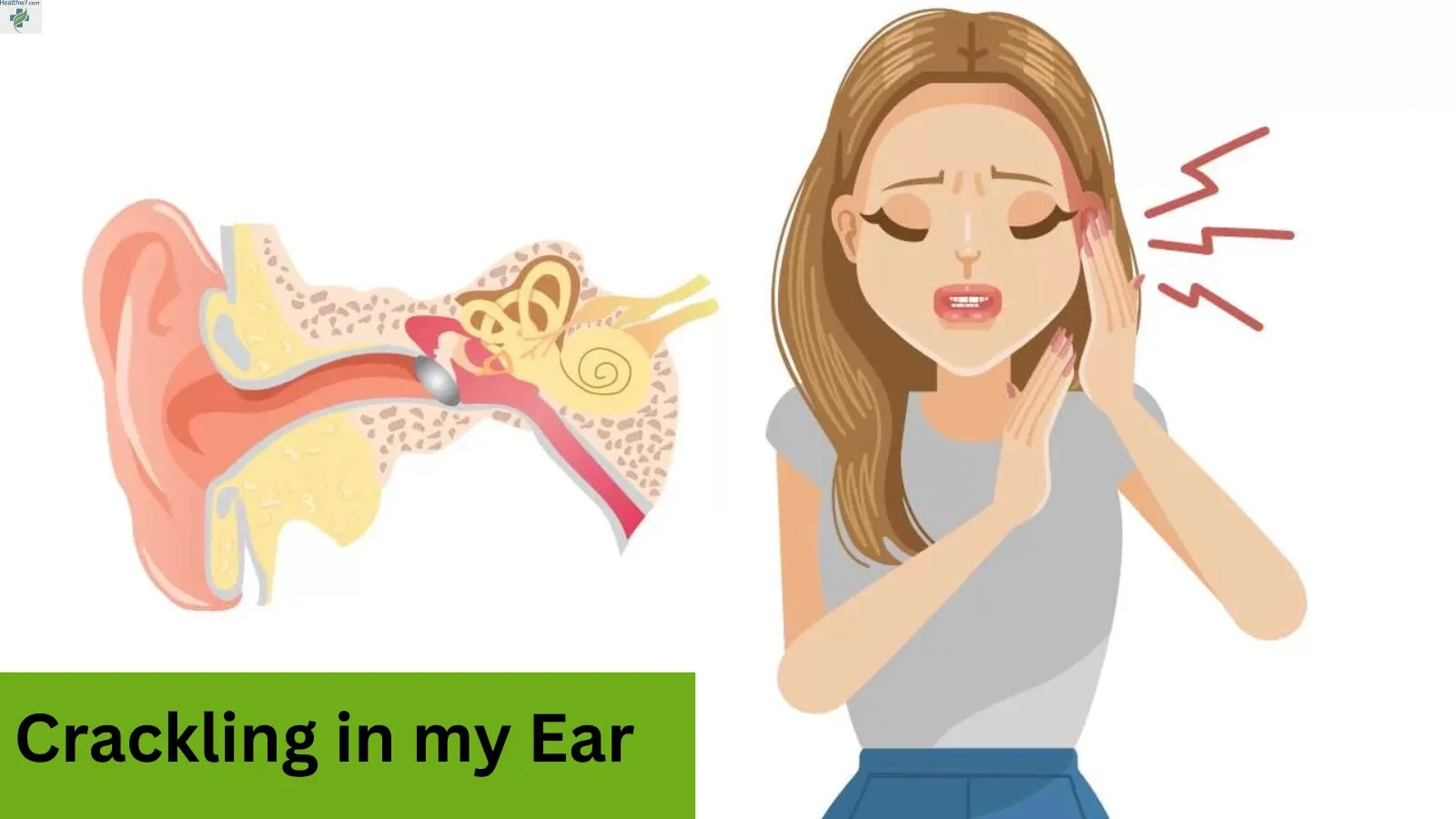
Many people notice a strange crackling in my ear sound at unexpected times. It may happen while swallowing, chewing, or even sitting quietly. The noise often feels like tiny bubbles popping or paper crinkling inside the ear. Although it can be surprising, this sensation is quite common.
So what exactly causes crackling in my ears?
The answer often involves pressure changes, earwax buildup, or issues inside the Eustachian tube. Fortunately, most causes are harmless and treatable.
This guide explains the science, possible health causes, treatments, and prevention tips.
|See also: Natural Remedies for Infected Tooth
What Is Crackling in My Ear?
Crackling in my ear refers to a popping, crackling, or rustling sound heard inside the ear canal.
This sensation usually occurs when pressure changes inside the middle ear.
The sound may feel like:
- Rice crispies popping
- Air bubbles moving
- Soft clicking or snapping
- Paper crinkling inside the ear
Most commonly, the sound occurs when the Eustachian tube opens or closes.
The Eustachian tube connects the middle ear to the throat. Its main job is pressure control.
When it works properly:
- Air pressure stays balanced
- Fluid drains normally
- Hearing remains clear
However, when the tube becomes blocked or irritated, ear popping and crackling may occur.
How Is Crackling in My Ears Made?
The crackling sound is produced by movement inside the ear.
Several mechanisms can create this sensation.
1. Eustachian Tube Pressure Changes
The Eustachian tube opens briefly when you swallow or yawn. Air then moves through the tube.
When the tube opens suddenly, a crackling or popping sound may be heard.
2. Earwax Movement
Sometimes earwax buildup shifts inside the ear canal.
When wax moves, friction occurs. As a result, a crackling noise in the ear can be produced.
3. Fluid in the Middle Ear
Fluid may collect behind the eardrum during infections or allergies.
When the fluid shifts, small popping sounds can occur.
4. Jaw Movement
The temporomandibular joint (TMJ) sits near the ear canal.
When the jaw moves, pressure may be transferred to the ear.
This movement may trigger ear crackling when chewing.
Is Crackling in My Ear Safe?
In most cases, crackling in my ear is harmless.
Medical experts often link the symptom to temporary pressure imbalance.
Common safe causes include:
- Eustachian tube dysfunction
- Mild sinus congestion
- Allergy-related inflammation
- Earwax buildup
According to ear specialists, these issues usually resolve without treatment.
However, persistent symptoms should be evaluated.
A doctor may check for:
- Middle ear infection
- Chronic Eustachian tube blockage
- TMJ disorder
- Hearing problems
Therefore, occasional crackling is normal. Yet long-lasting symptoms should be checked.
Why Is Crackling in My Ear Used in Food?
This section may sound surprising, but the connection exists.
Many people notice crackling in my ear when eating.
Certain foods trigger stronger ear sounds because they involve jaw movement.
Examples include:
- Crunchy foods
- Hard vegetables
- Chewing gum
When chewing occurs, the jaw joint and ear structures move together.
Consequently, pressure changes may occur in the middle ear cavity.
This interaction can produce temporary ear popping or crackling sounds.
Nutritional Value of Crackling in My Ear
Crackling in the ear itself has no nutritional value. However, diet can influence ear health and inflammation.
Certain nutrients support the immune system and ear function.
| Nutrient | Role in Ear Health | Food Sources |
|---|---|---|
| Vitamin C | Supports immunity | Citrus, berries |
| Omega-3 fatty acids | Reduces inflammation | Fish, walnuts |
| Magnesium | Supports nerve health | Nuts, seeds |
| Zinc | Supports healing | Meat, legumes |
A balanced diet may indirectly reduce ear infections and inflammation.
Benefits of Understanding Crackling in My Ear
Learning about crackling in my ears provides several benefits.
Early Detection of Problems
Understanding symptoms helps identify issues early.
Better Ear Care
People may improve ear hygiene and health habits.
Reduced Anxiety
Many individuals worry about strange ear noises.
Knowing the causes often reduces stress.
Improved Treatment Decisions
People can recognize when medical care is needed.
Risks and Side Effects of Crackling in my Ears
While often harmless, ear crackling may sometimes signal medical problems.
Potential conditions include:
Earwax Impaction
Large wax buildup can block the ear canal.
Symptoms:
- Crackling sounds
- Reduced hearing
- Ear fullness
Eustachian Tube Dysfunction
This occurs when the pressure tube becomes blocked.
Symptoms may include:
- Ear popping
- Pressure
- Muffled hearing
Middle Ear Infection
Fluid behind the eardrum may create crackling.
Symptoms:
- Ear pain
- Fever
- Drainage
Temporomandibular Joint Disorder
Jaw problems can affect ear structures.
Symptoms include:
- Jaw clicking
- Ears crackling when chewing
- Facial discomfort
Crackling in My Ears and Diabetes
People with diabetes must pay special attention to ear health.
High blood sugar may weaken the immune system.
As a result, infections can develop more easily.
Possible complications include:
- Ear infections
- Delayed healing
- Chronic inflammation
Therefore, persistent ears crackling with pain or discharge should be checked quickly.
Good blood sugar control helps reduce these risks.
Crackling in My Ears and Weight Loss
Weight loss does not directly cause ear crackling. However, body changes may influence pressure balance.
Rapid weight loss may affect sinus pressure and hydration levels.
Additionally, dehydration may worsen Eustachian tube irritation.
Healthy weight loss strategies:
- Adequate hydration
- Balanced nutrition
- Regular medical monitoring
These habits support overall ear and sinus health.
Crackling in My Ears and Gut Health
At first glance, gut health may seem unrelated to ear problems.
However, inflammation in the body often connects multiple systems.
A healthy gut supports:
- Strong immune responses
- Reduced systemic inflammation
- Better infection resistance
Probiotic foods may support these processes.
Examples:
- Yogurt
- Kefir
- Fermented vegetables
Healthy gut bacteria may indirectly support ear health and immunity.
When Should You Avoid Ignoring It?
Occasional ear crackling is usually harmless.
However, medical care should be considered if symptoms persist.
See a doctor if you experience:
- Crackling lasting more than two weeks
- Severe ear pain
- Hearing loss
- Dizziness
- Fluid drainage from the ear
These symptoms may indicate infection or other conditions.
Alternatives to Reduce Crackling in My Ear
Several simple methods may help relieve symptoms.
Home Remedies
- Swallowing or yawning
- Gentle Valsalva maneuver
- Drinking warm fluids
- Using a humidifier
Lifestyle Adjustments
- Stay hydrated
- Manage allergies
- Avoid inserting objects into ears
Medical Treatments
Doctors may recommend:
- Nasal decongestants
- Antihistamines
- Earwax removal
- Antibiotics if infection exists
FAQs About crackling in my Ear
How do you get rid of crackling in your ears?
Swallowing, yawning, or gently blowing your nose can help open the Eustachian tube and relieve crackling. Treating congestion or removing earwax buildup may also help.
How to massage an Eustachian tube to drain?
Gently massage behind the ear and along the jawline while swallowing. This can help improve ear pressure balance and encourage fluid movement.
How long does ear crackling last?
Ear crackling usually lasts from a few minutes to several days. If it continues longer than two weeks, medical advice is recommended.
Why won’t my crackling ears go away?
Persistent crackling may be caused by Eustachian tube dysfunction, allergies, earwax buildup, or fluid in the middle ear.
Does crackling in the ears mean fluid is draining?
Sometimes crackling happens when fluid shifts in the middle ear, but it can also occur due to pressure changes.
What does crackling in the ears indicate?
It often indicates pressure changes, earwax movement, or Eustachian tube activity inside the ear.
Will a clogged ear go away by itself?
Yes, most clogged ears clear on their own within a few hours or days as pressure equalizes.
How do you tell if you popped your eardrum?
A ruptured eardrum may cause sudden pain, hearing loss, fluid drainage, or dizziness. Medical evaluation is recommended.
Final Takeaway of Crackling in my Ears
Hearing crackling in my ear can feel strange, but it is usually harmless.
In many cases, the sound occurs when the Eustachian tube adjusts pressure.
Common triggers include:
- Earwax buildup
- Sinus congestion
- Jaw movement
- Temporary pressure changes
Fortunately, most cases resolve naturally.
However, persistent symptoms should not be ignored.
If crackling occurs with pain, hearing loss, or dizziness, medical evaluation is important.
With proper care, ear health can be maintained and symptoms can be managed effectively.
Medical Disclaimer
This article is for educational purposes only. It does not replace professional medical advice, diagnosis, or treatment. Always consult a qualified healthcare provider for concerns about ear symptoms or other health conditions.

Sarah Mitchell is a wellness writer specializing in healthy lifestyle and mental well-being. She provides easy health tips to support daily wellness.