
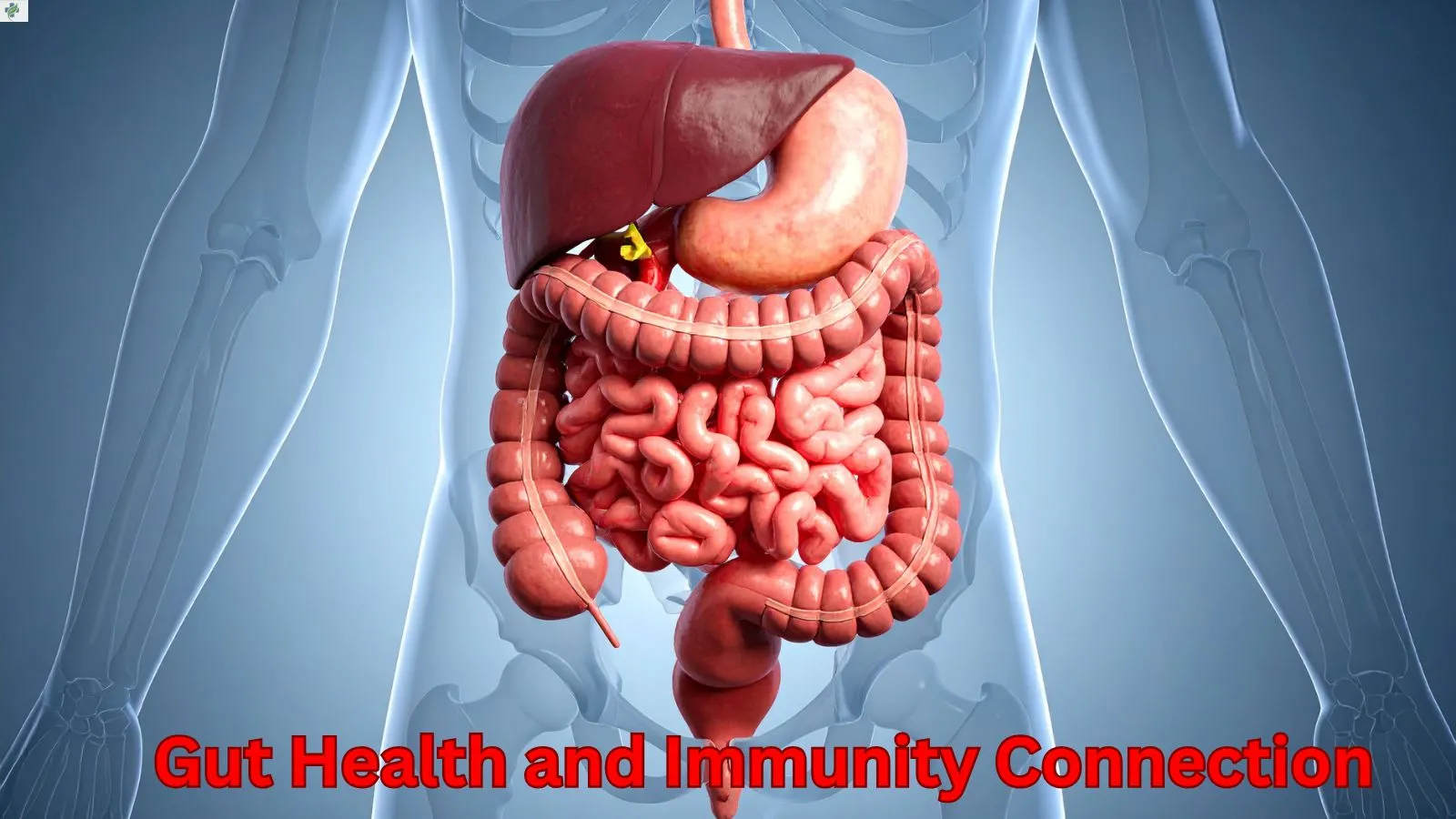
The gut health and immunity connection plays a crucial role in protecting the body from illness. Inside the digestive system lives a vast community of bacteria, fungi, and microbes known as the gut microbiome. These tiny organisms help digest food, produce nutrients, and support immune defenses.
Scientists estimate that about 70% of the immune system is located in the gut. Because of this, the condition of your digestive system directly affects how well your body fights infections and inflammation.
When gut bacteria stay balanced, the immune system works efficiently. However, poor diet, stress, antibiotics, and unhealthy lifestyle habits can disturb this balance and weaken immunity.
Understanding the gut health and immunity connection helps explain why caring for your gut is one of the most powerful ways to support long-term health.
|See Also: Natural remedies for tendonitis inflammation
What Is the Gut Health and Immunity Connection?
At the core of the gut health and immunity connection lies the digestive tract’s immune network.
Nearly 70% of immune cells reside in the gut, especially in a structure called the gut-associated lymphoid tissue (GALT). This system monitors harmful invaders and triggers protective responses.
The gut microbiome supports immunity in several ways:
- Producing beneficial compounds that strengthen immune cells
- Preventing harmful bacteria from colonizing the intestines
- Supporting the intestinal barrier, which blocks toxins
- Regulating inflammation throughout the body
When gut bacteria remain balanced, immune responses stay stable. But when harmful microbes dominate, immune dysfunction may occur.
Simple Diagram: Gut–Immune Relationship
Healthy Diet → Healthy Gut Bacteria
          ↓
 Strong Intestinal Barrier
          ↓
 Balanced Immune System
          ↓
 Better Disease Protection
Why Gut Bacteria Matter for Immune Defense
Remarkably, gut microbes act like microscopic bodyguards. They communicate directly with immune cells and help train them to respond appropriately.
A balanced microbiome can:
- Improve infection resistance
- Reduce chronic inflammation
- Enhance nutrient absorption
- Support antibody production
- Strengthen the intestinal lining
Researchers now link healthy gut bacteria with improved defense against viruses, allergies, and autoimmune disorders.
In contrast, microbial imbalance—called dysbiosis—can disrupt the immune response.
Causes of Poor Gut Health
Modern lifestyles often damage gut bacteria without people realizing it.
Several factors commonly weaken the gut health and immunity connection.
1. Poor Diet
Highly processed foods and excess sugar reduce beneficial bacteria.
2. Antibiotic Overuse
Antibiotics kill harmful bacteria but also destroy helpful microbes.
3. Chronic Stress
Stress hormones disrupt digestive balance and microbial diversity.
4. Lack of Fiber
Gut bacteria rely on plant fiber as their primary fuel.
5. Sleep Problems
Poor sleep alters microbial rhythms and immune signaling.
6. Excess Alcohol
Alcohol irritates the gut lining and damages microbial balance.
Symptoms of Gut Health and Immunity Connection
When the microbiome becomes disrupted, the body often sends subtle warning signals.
Symptoms include:
- Frequent bloating or gas
- Irregular bowel movements
- Food sensitivities
- Chronic fatigue
- Frequent infections
- Skin issues like acne or eczema
- Brain fog or poor concentration
While these symptoms do not always indicate serious illness, they may suggest a weakened gut health and immunity connection.
How Gut Health Affects the Whole Body
The gut influences more than digestion. It communicates with other body systems through what scientists call the gut-immune axis.
This interaction affects:
| Body System | Impact of Gut Health |
|---|---|
| Immune system | Regulates inflammation |
| Brain | Influences mood and cognition |
| Skin | Affects acne and eczema |
| Metabolism | Controls weight and insulin response |
| Hormones | Helps regulate endocrine balance |
Because of these connections, maintaining gut balance supports overall health.
Treatment and Ways to ImproveGut Health and Immunity Connection
Fortunately, restoring gut balance is possible with simple lifestyle adjustments.
1. Eat More Fiber-Rich Foods
Fiber feeds beneficial bacteria and promotes microbial diversity.
Good sources include:
- Oats
- Beans
- Lentils
- Apples
- Bananas
- Broccoli
- Whole grains
2. Include Fermented Foods
Fermented foods contain natural probiotics.
Examples:
- Yogurt
- Kefir
- Kimchi
- Sauerkraut
- Miso
These foods replenish beneficial bacteria and support the gut health and immunity connection.
3. Reduce Ultra-Processed Foods
Highly processed foods contain additives that may harm gut bacteria.
Choose whole foods whenever possible.
4. Manage Stress
Stress disrupts gut signaling pathways.
Helpful practices include:
- Meditation
- Walking
- Deep breathing
- Yoga
5. Sleep Well
Aim for 7–9 hours of sleep nightly to stabilize gut microbiome rhythms.
6. Consider Probiotics
Probiotic supplements may help restore beneficial bacteria, especially after antibiotics.
However, consult a healthcare provider before starting supplements.
Potential Side Effects of Gut Health Treatments
Most gut-supportive habits are safe, but some people may experience mild effects.
Side effects:
- Temporary bloating when increasing fiber
- Digestive discomfort with probiotics
- Food intolerance reactions
Practical Tips for Strengthening Gut Health and Immunity Connection
Small daily habits can significantly improve the gut health and immunity connection.
Helpful strategies include:
- Drink enough water
- Eat colorful fruits and vegetables
- Limit added sugar
- Exercise regularly
- Avoid unnecessary antibiotics
- Include prebiotic foods like garlic and onions
Consistency matters more than perfection.
When to See a Doctor
Sometimes gut symptoms require medical evaluation.
Consult a healthcare professional if you experience:
- Persistent abdominal pain
- Severe diarrhea or constipation
- Blood in stool
- Unexplained weight loss
- Frequent infections
- Symptoms lasting longer than two weeks
A doctor may recommend tests to evaluate digestive health or immune conditions.
FAQs About Gut Health and Immunity Connection
1. How does gut health affect immunity?
The gut health and immunity connection exists because most immune cells reside in the digestive tract. Healthy gut bacteria help regulate immune responses and prevent harmful infections.
2. Can poor gut health weaken the immune system?
Yes. Gut imbalance can reduce beneficial bacteria, increase inflammation, and make the body more vulnerable to illness.
3. What foods improve gut health and immunity?
Fiber-rich foods, fermented foods, fruits, vegetables, and whole grains help nourish beneficial gut bacteria.
4. How long does it take to improve gut health?
Many people notice improvements within 2–4 weeks after dietary and lifestyle changes.
5. Are probiotics necessary for gut health?
Not always. Many people maintain healthy gut bacteria through diet alone. However, probiotics may help after antibiotics or digestive illness.
6. Can stress damage gut health?
Yes. Chronic stress alters gut bacteria and weakens immune regulation.
7. Does sugar affect gut bacteria?
Excess sugar can feed harmful microbes and disrupt microbial balance.
Summary of Gut Health and Immunity Connection
The gut health and immunity connection plays a crucial role in overall wellness. Since most immune activity occurs in the digestive system, maintaining a balanced gut microbiome helps protect the body from infections and inflammation.
Healthy lifestyle habits—such as eating fiber-rich foods, consuming fermented products, managing stress, and sleeping well—can significantly improve gut balance.
By caring for your gut, you strengthen one of the body’s most important defense systems.
Medical Disclaimer
This article is for informational purposes only and does not replace professional medical advice. Always consult a qualified healthcare provider before making changes to your diet, supplements, or treatment plan.

Daniel Carter writes about fitness and healthy living. His goal is to help readers improve their health with simple and effective habits.