
The HCG diet meal plan has gained attention for its promise of rapid weight loss. It combines a very low-calorie diet with the use of Human Chorionic Gonadotropin (HCG), a hormone naturally produced during pregnancy. While controversial, many people explore this diet for quick results. In this article, we’ll break down the benefits, risks, meal structure, and practical tips in a clear, professional, and easy-to-follow way.
What Is the HCG Diet?
The HCG diet is a structured program that limits daily calorie intake to around 500–800 calories while supplementing with HCG. The hormone is believed to help reduce hunger, preserve muscle mass, and encourage fat loss.
Benefits of the HCG Diet Meal Plan
- Rapid weight loss: Many followers report losing up to a pound per day.
- Muscle preservation: HCG is thought to help maintain lean muscle while burning fat.
- Reduced hunger: The hormone may suppress appetite, making the low-calorie plan easier to follow.
- Structured eating: The strict meal plan removes guesswork, helping people stay disciplined.
- Short-term motivation: Quick results can encourage individuals to stick with healthier habits.
Risks and Side Effects of the HCG Diet
- Nutrient deficiencies: Extremely low calories may lead to lack of essential vitamins and minerals.
- Fatigue and weakness: Limited food intake can cause low energy.
- Hormonal imbalance: Using HCG without medical supervision may affect natural hormone levels.
- Digestive issues: Constipation or irregular bowel movements are common.
- Not sustainable long-term: Rapid weight loss often leads to regaining weight once the diet ends.
How the HCG Diet Meal Plan Works
The diet is divided into phases:
- Loading Phase (2 days)
- High-calorie, high-fat foods are consumed while starting HCG.
- Low-Calorie Phase (3–6 weeks)
- Daily intake drops to 500–800 calories.
- Meals include lean protein, vegetables, fruits, and limited carbs.
- Maintenance Phase
- Calories are gradually increased.
- Sugars and starches are avoided for several weeks to stabilize weight.
Does the HCG Diet Hurt or Cause Discomfort?
The diet itself is not painful, but discomfort may arise from hunger, fatigue, or headaches during the adjustment period. Most side effects are linked to calorie restriction rather than the hormone itself.
How Long Do Results Last?
Results vary. Some people maintain weight loss if they adopt healthier eating habits afterward. However, without lifestyle changes, weight regain is common. The diet is best seen as a short-term reset rather than a permanent solution.
Cost of the HCG Diet Meal Plan
- HCG supplements or injections: Prices range widely depending on source and medical supervision.
- Meal costs: Since portions are small, grocery expenses may be lower.
- Professional guidance: Consulting a doctor or clinic adds to the cost but ensures safety.
Overall, the cost depends on whether you use medical-grade HCG or over-the-counter alternatives.
How to Find a Qualified Provider
- Check credentials: Look for licensed doctors or nutritionists.
- Ask about experience: Choose professionals familiar with HCG protocols.
- Avoid unregulated sources: Online supplements may be unsafe or ineffective.
- Seek personalized advice: A provider should tailor the plan to your health needs.
Alternatives to the HCG Diet
- Intermittent fasting: Focuses on meal timing rather than extreme calorie restriction.
- Low-carb diets: Such as keto, which promotes fat burning through carb reduction.
- Balanced calorie deficit: A moderate reduction in calories combined with exercise.
- Plant-based diets: Emphasize whole foods for sustainable weight management.
Sample HCG Diet Meal Plan
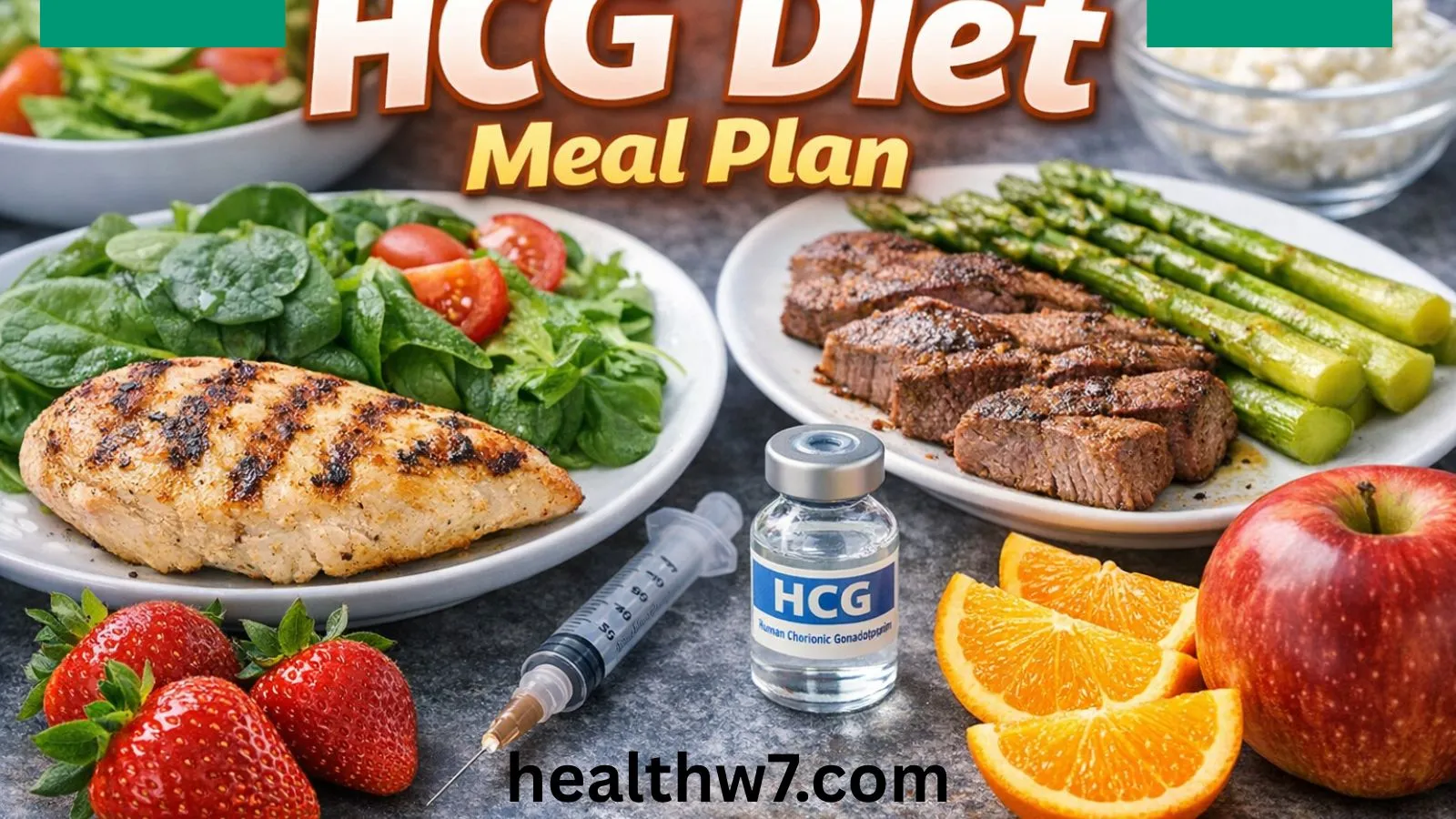
Breakfast: Black coffee or tea (no sugar). Lunch: 100g grilled chicken breast, spinach salad, one apple. Snack: A handful of strawberries. Dinner: 100g lean beef, steamed asparagus, one orange.
This plan keeps calories low while providing protein, fiber, and limited fruit sugars.
FAQs
What foods are allowed on the HCG diet? Lean proteins, certain vegetables, and limited fruits are allowed.
What are the 10 rules of the HCG diet? Follow low calories, use HCG, avoid sugars, limit fats, eat lean protein, include veggies, control portions, drink water, avoid starches, and stick to phases.
Which food is good for HCG levels? Protein-rich foods and leafy greens support overall hormone balance.
Can you eat eggs on HCG? Yes, but only in small portions, usually one whole egg with extra whites.
How to lose 5 kg in 10 days? Combine calorie control, hydration, and exercise, but consult a professional for safety.
What are 10 good daily habits? Eat balanced meals, stay hydrated, exercise, sleep well, manage stress, practice gratitude, avoid junk food, read daily, limit screen time, and maintain hygiene.
How can I improve my hCG? Medical guidance is required; natural diet changes alone don’t significantly raise hCG levels.
Conclusion
The HCG diet meal plan is a strict program designed for rapid weight loss. While it can deliver quick results, it comes with risks such as nutrient deficiencies and fatigue. Success depends on following the plan carefully and transitioning to healthier habits afterward. For those considering this diet, medical supervision is strongly recommended to ensure safety. Alternatives like intermittent fasting or balanced calorie reduction may be more sustainable long-term. Ultimately, the HCG diet can be a short-term tool, but lasting health requires consistent lifestyle changes, balanced nutrition, and regular physical activity.

Daniel Carter writes about fitness and healthy living. His goal is to help readers improve their health with simple and effective habits.