
Sweet, crunchy, and lightly salty—kettle corn nutrition is a snack many people love. It often appears at fairs, movie nights, and street markets. However, many snack lovers ask an important question:
Is kettle corn actually healthy?
At first glance, it seems similar to regular popcorn. Yet kettle corn has one key difference. Sugar is added during cooking. Because of this, the kettle corn nutrition profile changes compared with plain popcorn.
Still, the story is not simple. Popcorn itself is a whole grain snack. It contains fiber, antioxidants, and plant compounds. Therefore, kettle corn can sometimes be a better option than many processed snacks.
|See more about: Milk and cookies nutrition facts
What is Kettle Corn?
Kettle corn is a sweet-and-salty type of popcorn. It is made by popping corn kernels with oil, sugar, and salt in a large kettle or pot.
Unlike regular popcorn, which is usually salty or buttery, kettle corn has a light sugary coating. The sugar caramelizes slightly during cooking. As a result, the popcorn becomes crisp and sweet.
Traditionally, kettle corn was prepared in cast-iron kettles over open fires. Today, it is produced in factories and home kitchens.
Common ingredients:
- Popcorn kernels
- Vegetable oil
- Sugar
- Salt
Because the ingredient list is short, kettle corn is often considered a simple snack food.
How isKettle Corn Nutrition Made?
The cooking method plays a big role in kettle corn nutrition.
First, oil is heated inside a kettle or large pot. Then popcorn kernels and sugar are added. The pot is stirred constantly to prevent burning.
During heating:
- The kernels pop.
- Sugar melts and coats the popcorn.
- Salt is added for flavor balance.
Finally, the popcorn is spread out to cool. Once cooled, the sugar coating becomes crisp.
Commercial producers may also add:
- Natural flavorings
- Caramel powder
- Butter flavor
- Preservatives
However, traditional kettle corn usually contains only four ingredients.
Is Kettle Corn Safe?
In general, kettle corn is safe to eat when consumed in moderation.
Popcorn itself is considered a whole grain food. Whole grains are linked with improved heart health and digestion.
According to nutrition research, whole grains contain polyphenols and antioxidants. These compounds help reduce inflammation in the body.
However, kettle corn includes added sugar and oil. Because of this, the calorie content becomes higher than plain popcorn.
Scientists often suggest limiting added sugars in snacks. Excess sugar intake has been linked to:
- Obesity
- Type 2 diabetes
- Heart disease
Still, moderate consumption is unlikely to cause harm in healthy individuals.
Why Is Kettle Corn Used in Food?
Kettle corn is popular because it offers a balanced flavor profile.
The mix of sweet and salty flavors creates strong taste appeal. Therefore, many snack companies include kettle corn in packaged snack lines.
Food manufacturers also favor kettle corn because:
- Popcorn is inexpensive
- It has a long shelf life
- It is naturally gluten-free
- It is easy to produce in bulk
Furthermore, popcorn has a naturally light texture and satisfying crunch. This makes kettle corn a widely loved snack.
Nutritional Value of Kettle Corn
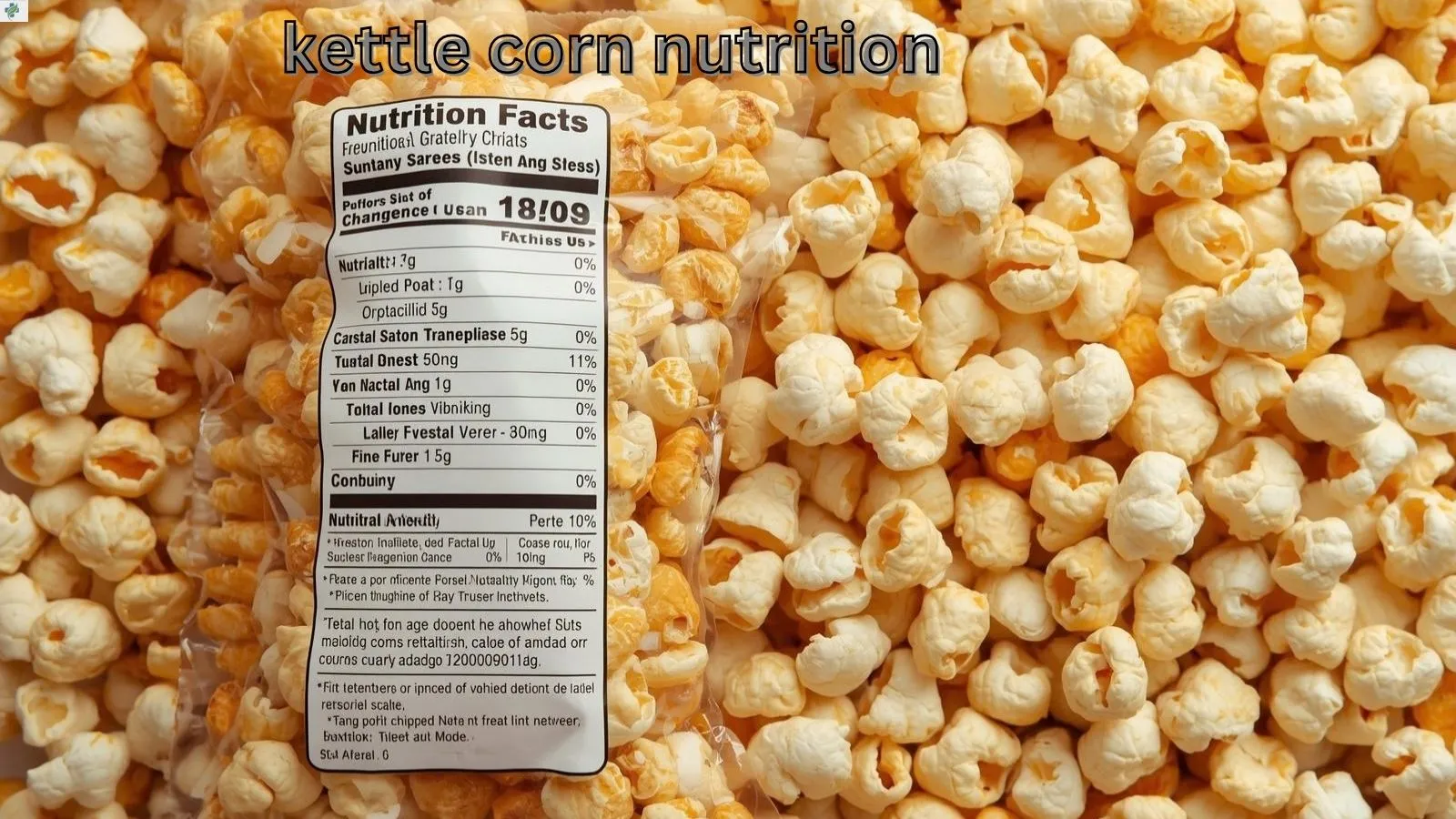
The kettle corn nutrition profile depends on the recipe and portion size. However, a typical serving is about 1 ounce (28 grams).
Below is the approximate nutritional breakdown.
| Nutrient | Amount per 1 oz (28g) |
|---|---|
| Calories | 110–130 |
| Carbohydrates | 18–20 g |
| Sugar | 6–8 g |
| Fat | 3–5 g |
| Fiber | 2–3 g |
| Protein | 1–2 g |
| Sodium | 80–120 mg |
Kettle corn also contains small amounts of:
- Magnesium
- Iron
- B vitamins
- Polyphenol antioxidants
However, the sugar coating increases the carbohydrate load.
Benefits of Kettle Corn Nutrition
Although it is sweet, kettle corn still offers several nutritional benefits.
1. Contains Whole Grains
2. Provides Dietary Fiber
3. Lower Calories Than Many Snacks
4. Contains Antioxidants
5. Naturally Gluten-Free
Risks and Side Effects of kettle corn nutrition
Even though kettle corn can be a light snack, some concerns exist.
High Added Sugar
Too much added sugar may increase risk of:
- Weight gain
- Insulin resistance
- Tooth decay
Extra Calories
The sugar and oil increase calorie density.
Sodium Content
Some commercial brands contain high sodium levels, which may raise blood pressure.
Artificial Ingredients
Packaged kettle corn may include artificial flavors or preservatives.
Therefore, reading ingredient labels is important.
Kettle Corn Nutrition and Diabetes
People with diabetes should be careful with kettle corn nutrition.
The snack contains simple sugars and refined carbohydrates. These ingredients can raise blood glucose levels quickly.
However, small portions may still fit within a diabetic diet.
Tips:
- Choose small servings
- Eat with protein or healthy fats
- Avoid highly sweetened varieties
Plain air-popped popcorn is usually a better option.
Kettle Corn and Weight Loss
Kettle corn can sometimes fit into a weight-loss plan.
Popcorn is naturally low in calories per volume. This means a person can eat a decent portion while consuming fewer calories.
However, sugar changes the equation slightly.
To keep kettle corn weight-loss friendly:
- Stick to 1 cup servings
- Choose lightly sweetened versions
- Avoid caramel-coated types
When eaten mindfully, kettle corn can be a moderately healthy snack.
Kettle Corn and Gut Health
The fiber in popcorn supports digestive health.
Fiber feeds beneficial gut bacteria, which help maintain the gut microbiome.
A healthy microbiome can support:
- Better digestion
- Stronger immunity
- Reduced inflammation
However, too much kettle corn may cause bloating or gas, especially in sensitive individuals.
Eating moderate amounts usually prevents digestive discomfort.
FAQs About Kettle Corn Nutrition
Is kettle corn healthier than regular popcorn?
No. Regular popcorn is usually healthier because it contains no added sugar. However, kettle corn can still be enjoyed in moderation.
How many calories are in kettle corn?
One ounce typically contains 110–130 calories, depending on sugar and oil levels.
Is kettle corn considered junk food?
Not exactly. Because it contains whole grain popcorn, it is healthier than many processed snacks. Still, sugar should be limited.
Can kettle corn raise blood sugar?
Yes. The added sugar may increase blood glucose levels, especially in large portions.
Is kettle corn gluten-free?
Yes. Popcorn itself is naturally gluten-free, though flavored varieties should always be checked.
Is kettle corn good for dieting?
It can be, but only in small portions due to added sugar.
Can kettle corn cause weight gain?
Yes, excessive consumption may lead to weight gain because of its sugar and calorie content.
Summary of Kettle Corn Nutrition
Kettle corn nutrition sits somewhere between healthy and indulgent.
The base ingredient—popcorn—is a whole grain rich in fiber and antioxidants. Because of this, kettle corn can be a better snack than many fried foods.
However, sugar and oil increase calories and carbohydrates. Therefore, portion control remains important.
Eating small servings occasionally is generally safe for most people. Choosing homemade or lightly sweetened varieties may further improve nutrition.
In short, kettle corn can be enjoyed as part of a balanced diet when eaten mindfully.
Medical Disclaimer
This article is for educational purposes only. It does not replace professional medical advice, diagnosis, or treatment. Always consult a qualified healthcare provider regarding dietary or health concerns.

Daniel Carter writes about fitness and healthy living. His goal is to help readers improve their health with simple and effective habits.