

You check a food label and see maltodextrin. It sounds chemical and confusing. Is it harmful? Is it sugar? Should you avoid it?
Maltodextrin is common in protein powders, snacks, sauces, and even “sugar-free” foods. Some people say it’s safe. Others warn about blood sugar spikes.
So what’s the truth?
Let’s break down everything you need to know about maltodextrin in simple, clear language.
|See More Butternut Squash Nutrition: Complete Health Guide
What Is Maltodextrin?
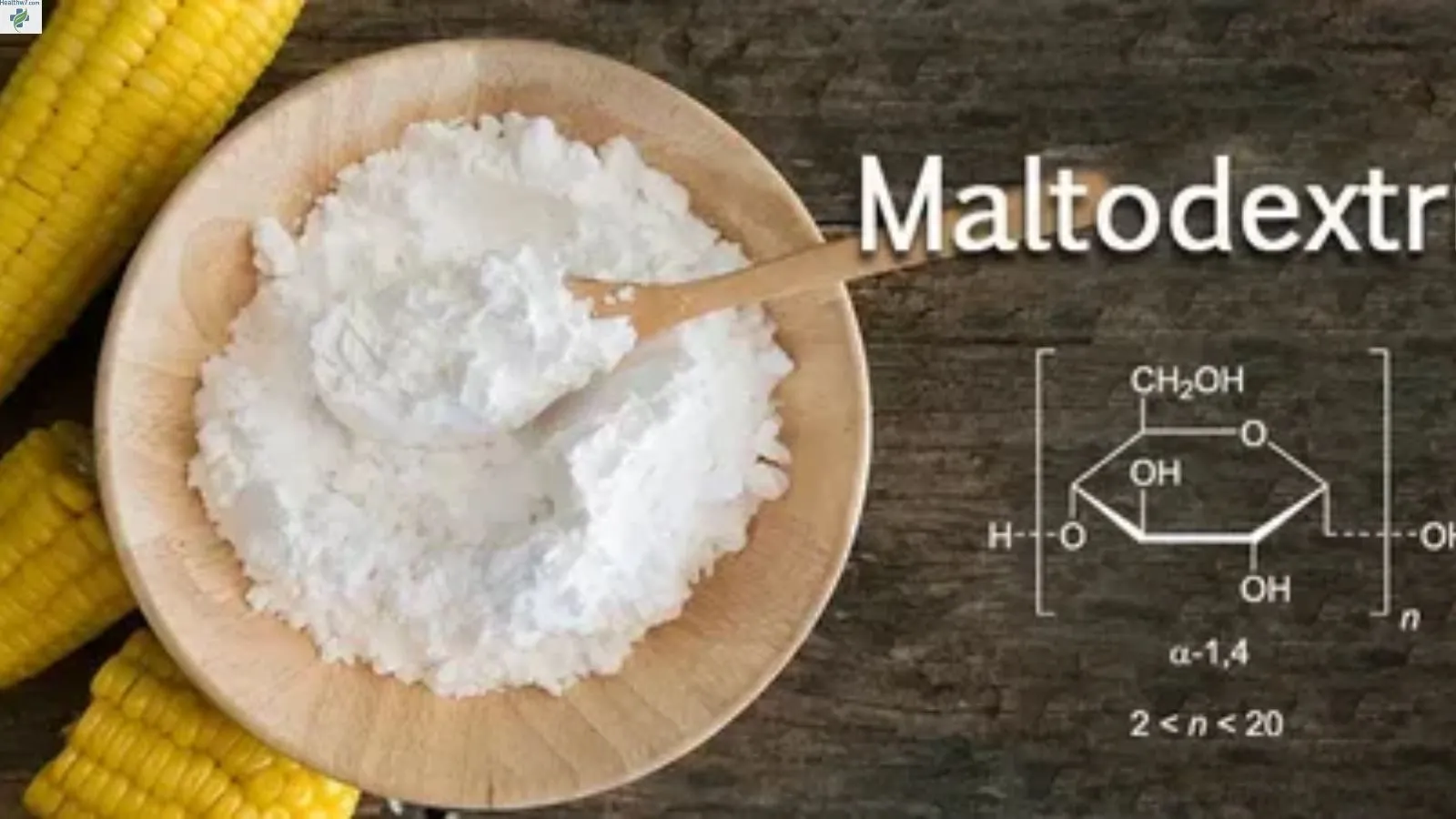
Maltodextrin is a white, odorless powder made from plant starch.
It usually comes from:
- Corn
- Rice
- Potato
- Wheat
Even though it starts as a natural starch, it is highly processed.
It is a carbohydrate and provides 4 calories per gram — the same as table sugar. However, it is not technically sugar. It contains short chains of glucose molecules that digest very quickly in the body.
Because it dissolves easily and has a neutral taste, food companies use it in many packaged products.
How Is Maltodextrin Made?
Maltodextrin is made through a process called hydrolysis.
Here’s how it works:
- Starch is cooked.
- Enzymes or acids break it down.
- The starch turns into shorter glucose chains.
- The result is dried into a white powder.
Although it comes from plants, the heavy processing changes its structure. This makes it digest almost as fast as sugar.
If made from wheat, the final product is typically gluten-free because the processing removes gluten proteins.
Is Maltodextrin Safe?
According to the U.S. Food and Drug Administration, maltodextrin is classified as “Generally Recognized as Safe” (GRAS).
This means it is approved for use in food.
Scientific Perspective
Research shows:
- It is safe for most healthy people in small amounts.
- It can raise blood sugar quickly due to its high glycemic index
- Large amounts may affect gut bacteria balance.
Overall, moderation is key. Small amounts in processed food are unlikely to harm healthy individuals.
Why Is Maltodextrin Used in Food?
Food companies use maltodextrin for several reasons:
- Thickener (soups, sauces, dressings)
- Filler to increase volume
- Preservative to extend shelf life
- Improves texture
- Prevents clumping in powders
- Adds mild sweetness
It is inexpensive and easy to produce. That’s why it appears in:
- Protein powders
- Sports drinks
- Instant pudding
- Packaged snacks
- Salad dressings
- Artificial sweetener blends
Nutritional Value of Maltodextrin
Maltodextrin provides energy but very little nutrition.
| Nutrient | Amount (per 1 tbsp ~12g) |
|---|---|
| Calories | 48 |
| Carbohydrates | 12g |
| Sugar | <2g |
| Fiber | 0g |
| Protein | 0g |
| Fat | 0g |
| Glycemic Index | 85–110 |
Key Points
- Same calories as sugar
- No vitamins or minerals
- No fiber
- Very high GI
Because it lacks nutrients, it is considered an empty-calorie carbohydrate.
Benefits of Maltodextrin
Although often criticized, maltodextrin does have some benefits.
1. Quick Energy
It digests fast and raises blood sugar quickly. Athletes use it during intense workouts.
2. Useful for Low Blood Sugar
People with hypoglycemia may use it to raise blood glucose fast.
3. Sports Nutrition
It helps refill glycogen stores after exercise.
4. Easy to Digest
It absorbs quickly and does not sit heavy in the stomach.
However, these benefits mainly apply to athletes or people with special medical needs.
Risks and Side Effects of Maltodextrin
While generally safe, maltodextrin may cause problems in certain cases.
1. Blood Sugar Spikes
It has a higher glycemic index than table sugar. This can cause:
- Sudden energy crash
- Increased hunger
- Fatigue
2. Weight Gain
Excess intake may lead to fat storage because of repeated insulin spikes.
3. Gut Bacteria Changes
Some studies suggest it may:
- Reduce beneficial gut bacteria
- Increase harmful bacteria growth
However, more research is needed.
4. Processed Food Link
Foods containing maltodextrin are often ultra-processed. These foods are linked to obesity and chronic disease when eaten frequently.
Maltodextrin and Diabetes
Maltodextrin can raise blood sugar very quickly.
For people with diabetes:
- It should be counted as part of total carbohydrates.
- It may cause rapid glucose spikes.
- Blood sugar monitoring is important.
Small amounts may be manageable. However, large amounts can make glucose control harder.
If you have insulin resistance or Type 2 diabetes, limiting high-GI foods is usually recommended.
Maltodextrin and Weight Loss
If you are trying to lose weight, maltodextrin may not help.
Why?
- It has empty calories.
- It increases blood sugar quickly.
- It may increase hunger later.
Many foods containing maltodextrin are highly processed and calorie-dense.
Choosing whole foods with fiber and protein supports weight loss better.
Maltodextrin and Gut Health
Your gut contains trillions of bacteria. Balance is important.
Some research suggests maltodextrin may:
- Suppress probiotic bacteria
- Increase growth of harmful bacteria
- Affect intestinal mucus lining
However, studies are still limited.
If you have digestive issues like IBS or inflammatory bowel disease, reducing processed additives may support gut health.
When Should You Avoid It?
You may want to limit or avoid maltodextrin if you:
- Have diabetes
- Have insulin resistance
- Follow a low-carb diet
- Struggle with weight management
- Have gut or autoimmune disorders
- Eat mostly processed foods
For healthy people eating a balanced diet, small amounts are usually fine.
Alternatives to Maltodextrin
If you prefer to avoid it, consider these options:
Natural Sweeteners
- Honey
- Maple syrup
- Coconut sugar
Low-Glycemic Options
- Stevia
- Monk fruit
- Erythritol
Natural Thickeners
- Guar gum
- Pectin
- Arrowroot powder
Whole fruits are also excellent sweeteners because they contain fiber and nutrients.
FAQs
1. Is maltodextrin worse than sugar?
It can raise blood sugar faster than table sugar because of its high glycemic index.
2. Is maltodextrin gluten-free?
Yes. Even when made from wheat, processing removes gluten proteins.
3. Can maltodextrins cause weight gain?
Yes, excessive intake may contribute to weight gain due to rapid blood sugar spikes.
4. Is maltodextrins safe for diabetics?
Small amounts may be safe, but it must be counted as carbohydrates and monitored.
5. Is maltodextrin artificial?
It is derived from natural starch but heavily processed.
6. Does maltodextrins affect gut bacteria?
Some studies suggest it may alter gut bacteria balance, but research is ongoing.
Final Takeaway
Maltodextrin is a fast-digesting carbohydrate made from plant starch. It is approved as safe by food authorities and widely used in processed foods.
For athletes or people needing quick energy, it can be helpful.
However, it has:
- A high glycemic index
- No fiber or nutrients
- Potential effects on blood sugar and gut health
If you are healthy and consume it occasionally, it is unlikely to cause harm. But if you have diabetes, digestive issues, or weight concerns, limiting intake is wise.
As always, focus on whole, minimally processed foods for long-term health.
Medical Disclaimer
This article is for informational purposes only and does not replace medical advice. Always consult a qualified healthcare professional before making dietary changes, especially if you have diabetes, metabolic disorders, or digestive conditions.

Dr. Alex Morgan is a health writer focused on nutrition and disease prevention. He shares simple and practical advice to help readers live healthier lives.