

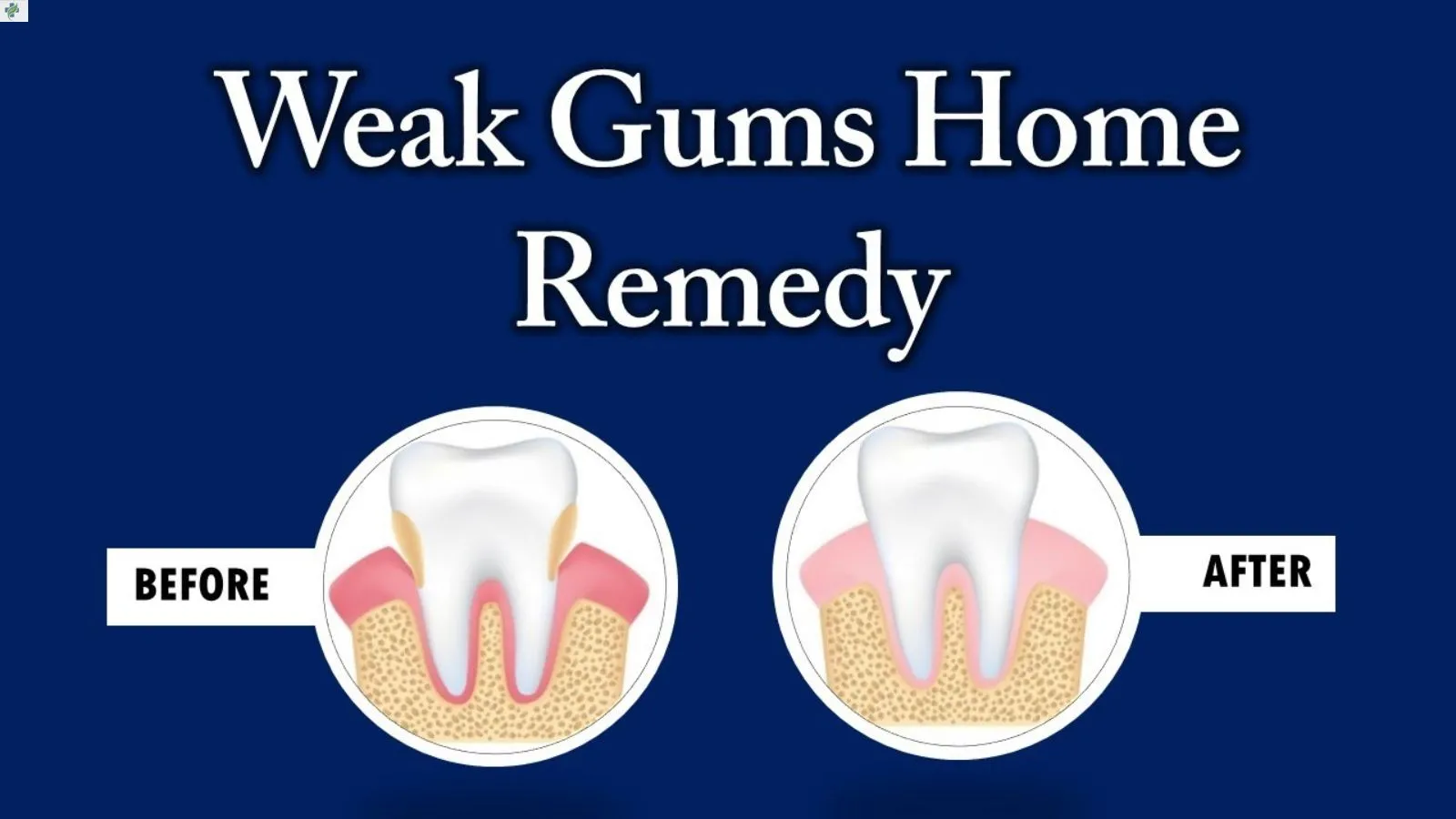
Bleeding gums can feel alarming during brushing. Many people ignore the problem at first. However, gum discomfort often signals deeper oral health issues. Fortunately, gentle and effective solutions already exist in your kitchen. Many people now explore natural remedies for gums to reduce irritation and support healing without harsh chemicals.
These remedies work by calming inflammation, balancing oral bacteria, and strengthening delicate gum tissue. When used properly, they can complement good oral hygiene habits like brushing and flossing.
RELATED: Natural remedies for infant gerd
What is Natural Remedies for Gums?
Natural remedies for gums refer to plant-based or home-based treatments used to support gum health. They are typically used to reduce swelling, bleeding, and bacterial buildup around teeth.
Most remedies rely on natural ingredients with anti-inflammatory, antibacterial, or soothing properties. These compounds may help manage early gum problems such as gingivitis.
Common examples include:
- Saltwater rinses
- Aloe vera gel
- Clove oil
- Turmeric paste
- Green tea rinses
- Coconut oil pulling
These remedies are often used alongside daily oral hygiene practices. Dentists still recommend brushing twice daily and regular dental visits.
However, natural treatments may provide additional support for sensitive gums.
How is Natural Remedies for Gums Made?
Many natural remedies for gums are extremely simple to prepare at home. Most require common household ingredients.
Below are a few examples.
Saltwater Rinse
This classic remedy is easy to prepare.
Steps:
- Add half a teaspoon salt to warm water.
- Stir until dissolved.
- Swish gently for 20–30 seconds.
- Spit out and rinse once daily.
Saltwater helps reduce swelling and cleanse oral bacteria.
Turmeric Gum Paste
Turmeric contains powerful anti-inflammatory compounds.
Preparation:
- Mix turmeric powder with a small amount of water.
- Apply gently to gums.
- Leave for a few minutes before rinsing.
Coconut Oil Pulling
This method comes from traditional medicine.
Steps:
- Take one tablespoon coconut oil.
- Swish for 10–15 minutes.
- Spit into a trash bin.
Oil pulling may help remove harmful oral microbes.
Is Natural Remedies for Gums Safe? (Scientific Perspective)
In general, natural remedies for gums are considered safe when used properly. Many ingredients have been studied for oral benefits.
For example:
- Saltwater rinses are widely recommended by dentists.
- Green tea contains catechins that reduce gum inflammation.
- Clove oil has natural antiseptic properties.
However, scientific evidence varies depending on the remedy.
Several clinical studies suggest natural compounds may help reduce plaque bacteria and mild gingivitis. Still, they should not replace professional dental care.
Additionally, some remedies must be diluted. Essential oils, for instance, can irritate gum tissue if used undiluted.
Therefore, these treatments should be used carefully and moderately.
Why Is Natural Remedies for Gums Used in Food?
Interestingly, many ingredients used in natural remedies for gums are also common food ingredients. These foods contain compounds that support oral and overall health.
Examples include:
- Turmeric – strong anti-inflammatory spice
- Green tea – rich in protective antioxidants
- Coconut oil – antimicrobial fatty acids
- Cloves – natural pain-relieving compounds
Because these foods are edible, they are generally safe when used in small amounts. Moreover, many traditional cultures have used them for centuries to maintain dental hygiene.
Nutritional Value of Natural Remedies for Gums
Many natural ingredients contain beneficial nutrients. These nutrients indirectly support gum tissue repair and immune defense.
| Ingredient | Key Nutrients | Gum Health Benefit |
|---|---|---|
| Turmeric | Curcumin, antioxidants | Reduces inflammation |
| Green Tea | Catechins | Fights oral bacteria |
| Coconut Oil | Lauric acid | Antibacterial effect |
| Aloe Vera | Vitamins A, C, E | Supports tissue healing |
| Cloves | Eugenol | Natural pain relief |
These nutrients help protect delicate gum tissue and maintain balanced oral microbiome.
Benefits of Natural Remedies for Gums
Many people prefer natural remedies for gums because they are simple and gentle. When used correctly, several benefits may appear.
1. Reduces Gum Inflammation
Natural compounds like curcumin and aloe vera calm swollen tissues. As a result, redness and tenderness may improve.
2. Helps Control Oral Bacteria
Certain ingredients act as mild antimicrobial agents. They can reduce harmful plaque-forming bacteria.
3. Supports Healing of Gum Tissue
Antioxidants may promote faster repair of damaged gum tissue.
4. Relieves Gum Pain
Ingredients like clove oil contain natural numbing compounds. These may temporarily ease discomfort.
5. Promotes Better Oral Hygiene
Using natural remedies for gums often encourages better dental habits overall.
Risks and Side Effects of Natural Remedies for Gums
Although natural treatments appear safe, they are not risk-free.
Possible concerns include:
- Allergic reactions to herbal ingredients
- Gum irritation from strong oils
- Temporary tooth staining from turmeric
- Overuse of acidic remedies harming enamel
Additionally, advanced gum disease cannot be cured by natural remedies for gums alone. Professional dental treatment is required in such cases.
If symptoms persist for more than two weeks, a dentist should be consulted.
Natural Remedies for Gums and Diabetes
People with diabetes often experience higher rates of gum disease. Elevated blood sugar supports bacterial growth in the mouth.
Some natural remedies for gums may help reduce inflammation. Green tea and aloe vera show potential benefits in small studies.
However, blood sugar control remains the most important factor. Natural treatments should only be supportive tools.
Patients with diabetes should always consult their healthcare provider before trying new remedies.
Natural Remedies for Gums and Weight Loss
At first glance, natural remedies for gum may seem unrelated to weight loss. However, there are small indirect connections.
Healthy gums improve chewing ability. As a result, people may digest food more efficiently.
Additionally, some ingredients like green tea are linked with metabolic support.
Still, these remedies are not weight-loss treatments. Their primary goal remains improving gum health.
Natural Remedies for Gums and Gut Health
The mouth acts as the gateway to the digestive system. Therefore, healthy gums support overall gut health.
When oral bacteria are balanced, fewer harmful microbes reach the digestive tract.
Some ingredients used in natural remedies for gum, such as green tea and turmeric, also support healthy digestion.
Thus, maintaining good oral hygiene may indirectly support the gut microbiome.
When Should You Avoid It?
Although many people benefit from natural remedies for gum some situations require caution.
Avoid self-treatment if you experience:
- Severe gum bleeding
- Loose teeth
- Persistent bad breath
- Gum recession
- Fever or infection symptoms
These may indicate advanced periodontal disease. Professional dental care becomes necessary in such cases.
Pregnant individuals should also consult a doctor before using strong herbal products.
Alternatives to Natural Remedies for Gums
If natural treatments are not suitable, several other options exist.
Dentists often recommend:
- Antibacterial mouthwash
- Professional dental cleaning
- Prescription antimicrobial gels
- Improved brushing and flossing routines
- Fluoride treatments
In many cases, a combination of professional care and natural remedies for gums provides the best results.
FAQs
What is the best natural remedy for gums?
Saltwater rinses are widely recommended. They reduce inflammation and help cleanse harmful oral bacteria.
Can natural remedies for gum cure gum disease?
They may help early gingivitis. However, advanced gum disease requires professional dental treatment.
How often should I use natural remedies for gum?
Most remedies can be used once or twice daily. Excessive use may irritate gum tissue.
Does coconut oil pulling help gums?
Oil pulling may reduce plaque bacteria. However, it should not replace brushing and flossing.
Is turmeric good for gum inflammation?
Yes. Turmeric contains curcumin, which has strong anti-inflammatory properties.
Do natural remedies whiten teeth?
Some remedies slightly reduce stains. However, they are not strong teeth-whitening treatments.
Takeaway
Healthy gums play a vital role in overall wellness. When gum irritation appears, early care becomes essential.
Natural remedies for gums offer gentle ways to soothe inflammation, control bacteria, and support tissue healing. Ingredients like turmeric, saltwater, aloevera, and green tea contain compounds that promote better oral health.
However, these remedies should complement—not replace—professional dental care. Regular brushing, flossing, and dental checkups remain the foundation of healthy gums.
When used responsibly, natural treatments may provide simple and effective support for long-term gum wellness.
Medical Disclaimer
This article is for informational purposes only. It does not replace professional medical or dental advice. Always consult a qualified dentist or healthcare professional before starting any new health treatment.

Daniel Carter writes about fitness and healthy living. His goal is to help readers improve their health with simple and effective habits.