

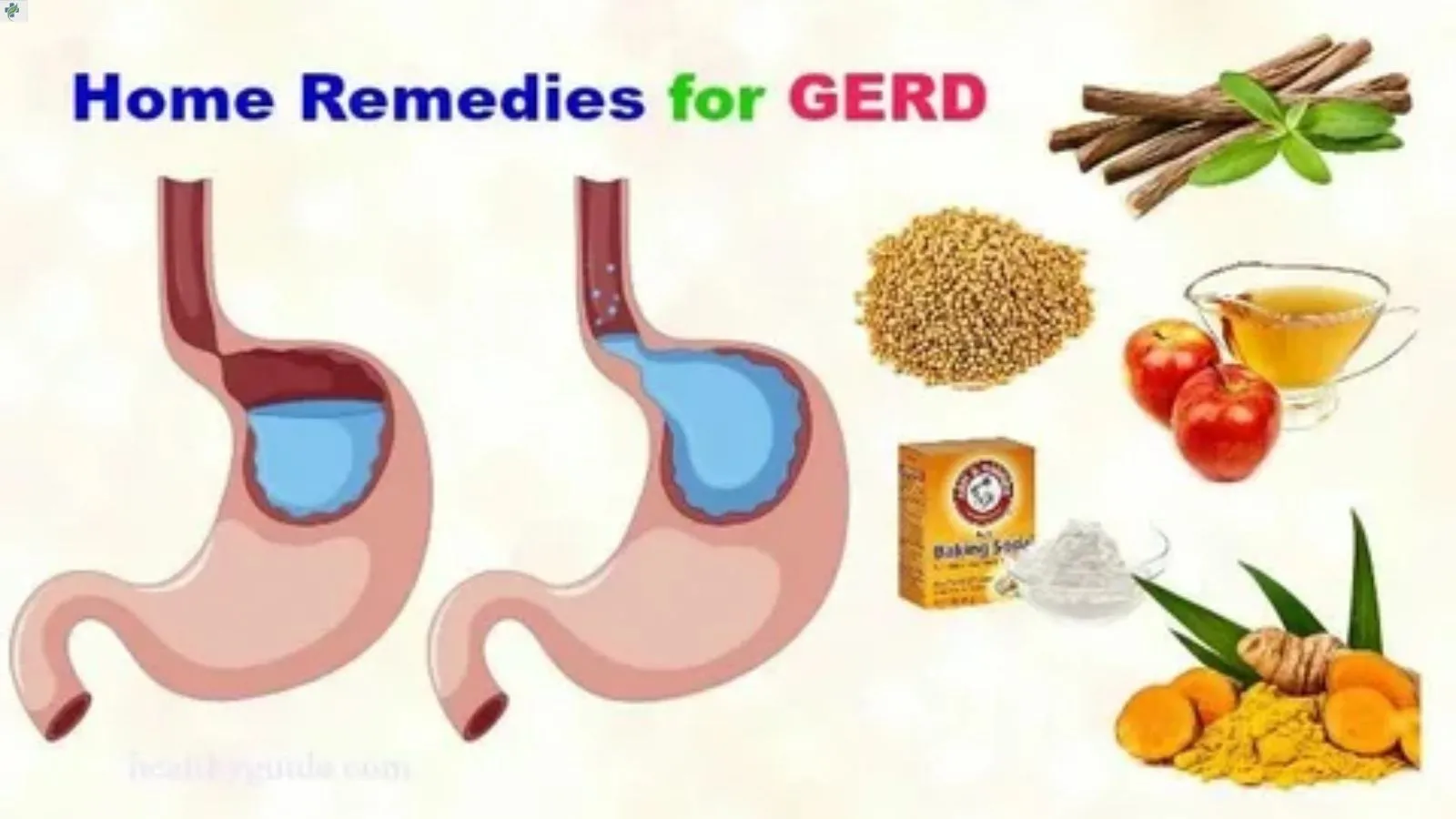
Imagine hearing your baby cry after every feeding. Many parents face this unsettling moment. One common reason is infant GERD, a digestive condition where stomach contents flow backward into the esophagus. Fortunately, many natural remedies for infant GERD can help soothe discomfort and support healthy digestion. Gentle lifestyle changes, feeding adjustments, and simple home strategies often provide noticeable relief.
This guide explores safe, research-backed solutions that parents can try while keeping baby comfort and safety in mind.
RELATED: Natural Remedies for Tendonitis Inflammation
What Is Infant GERD?
To begin with, infant GERD (Gastroesophageal Reflux Disease) occurs when stomach acid or milk travels back into the esophagus.
This happens because a baby’s lower esophageal sphincter—the tiny muscular valve between stomach and esophagus—is still immature. As a result, reflux can occur frequently.
While mild reflux is common in babies, GERD becomes a concern when symptoms cause pain, poor feeding, or poor weight gain.
Many parents explore natural remedies for infant GERD before moving to medications, especially when symptoms are mild.
Causes of Infant GERD
Several biological and lifestyle factors contribute to reflux in babies.
The most common causes include:
- Immature digestive system
- Overfeeding
- Food sensitivities (especially cow’s milk protein)
- Lying flat after feeding
- Swallowing air during feeding
- Weak esophageal valve
Quick Diagram of Infant Reflux
Normal Digestion
Mouth → Esophagus → StomachInfant GERD
Mouth → Esophagus ↘
                   Stomach
             ↑ Milk flows back
As babies grow, the digestive tract strengthens. Consequently, many infants naturally outgrow GERD by 12–18 months.
Symptoms of Infant GERD
Recognizing symptoms early helps parents manage discomfort effectively.
Common symptoms include:
- Frequent spitting up
- Irritability after feeding
- Arching the back while feeding
- Persistent hiccups
- Poor sleep
- Refusing feeds
- Slow weight gain
- Chronic cough or wheezing
However, occasional spit-up without discomfort is usually normal reflux, not GERD.
Natural Remedies for Infant GERD
Many families prefer gentle, non-medicated solutions first. Thankfully, several natural remedies for infant GERD may ease symptoms safely.
1. Adjust Feeding Position
Proper positioning significantly reduces reflux.
Best practices include:
- Hold baby upright during feeding
- Keep baby upright 20–30 minutes afterward
- Avoid immediate laying down
Gravity helps milk move downward instead of back up.
2. Offer Smaller, More Frequent Feedings
Large feedings can overwhelm a baby’s stomach.
Instead try:
- Smaller portions
- Feeding more frequently
- Burping every 2–3 minutes during feeding
This reduces stomach pressure and reflux episodes.
3. Improve Burping Techniques
Swallowed air increases abdominal pressure.
Effective burping methods include:
- Shoulder burping
- Sitting burp position
- Gentle back patting
Parents should burp babies during and after feeding.
4. Elevate the Baby Safely
Slight elevation may help reduce reflux.
However, safety remains essential.
Safe approaches include:
- Holding baby upright
- Baby wearing
- Keeping baby in a caregiver’s arms
Avoid unsafe sleep positioning or pillows inside cribs.
5. Try Probiotics (With Pediatric Guidance)
Emerging research suggests certain probiotics support digestive balance.
Probiotics may:
- Improve gut bacteria
- Reduce gas
- Support digestion
Some pediatricians recommend Lactobacillus reuteri, a strain studied for infant reflux relief.
Always consult a healthcare provider before introducing supplements.
6. Adjust Breastfeeding Diet
Sometimes reflux stems from food sensitivities.
Breastfeeding mothers may experiment with eliminating:
- Dairy products
- Caffeine
- Spicy foods
- Soy
Improvement may appear within 1–2 weeks.
7. Consider Thickened Feeds
For bottle-fed infants, thickened milk may reduce regurgitation.
Doctors sometimes recommend:
- Rice cereal (in small amounts)
- Specialized anti-reflux formulas
However, thickening should only occur under medical advice.
8. Gentle Infant Massage
Surprisingly, abdominal massage can support digestion.
Benefits include:
- Reduced gas
- Improved bowel movement
- Relaxed stomach muscles
Parents can gently massage the baby’s belly in clockwise circles for a few minutes.
Treatment Options When Natural Remedies Are Not Enough
While many babies improve with natural care, some require medical treatment.
Doctors may recommend:
| Treatment | Purpose |
|---|---|
| Acid blockers | Reduce stomach acid |
| Hypoallergenic formulas | Address milk protein allergy |
| Feeding therapy | Improve swallowing patterns |
| Rare surgery | Severe GERD cases |
Medication is usually reserved for moderate to severe symptoms.
Practical Tips for Parents
Managing reflux often involves daily adjustments.
Strategies:
- Keep feeding calm and slow
- Avoid tight diapers after feeding
- Ensure proper bottle nipple flow
- Avoid bouncing baby immediately after meals
- Track feeding and symptom patterns
Consistency improves outcomes when trying natural remedies for infant GERD.
When to See a Doctor
Although reflux is common, certain warning signs require medical attention.
Contact a pediatrician if your baby:
- Vomits forcefully
- Has green or bloody vomit
- Refuses feeding consistently
- Shows poor weight gain
- Experiences breathing problems
- Has persistent crying or pain
Early evaluation prevents complications and ensures proper treatment.
FAQs
What is the best natural remedy for infant GERD?
Keeping babies upright after feeding is one of the most effective natural remedies for infant GERD. It helps gravity prevent milk from flowing backward.
Can probiotics help infant GERD?
Some studies show probiotics like Lactobacillus reuteri may support digestion and reduce reflux symptoms in certain infants.
Do breastfed babies get GERD?
Yes. Both breastfed and formula-fed babies can develop GERD, though breastfeeding often reduces reflux severity.
Does infant GERD go away naturally?
Most babies outgrow GERD by 12–18 months as their digestive system matures.
What foods should breastfeeding mothers avoid for reflux?
Dairy, caffeine, spicy foods, and soy may worsen reflux in sensitive infants.
Is infant GERD dangerous?
Usually not. However, severe GERD may affect feeding, sleep, and growth if untreated.
Can tummy time help reflux?
Supervised tummy time while awake can strengthen muscles and support digestion, but it should never replace safe sleep practices.
Summary
Infant reflux can be distressing, but it is often manageable. Many natural remedies for infant GERD focus on simple lifestyle adjustments such as improved feeding positions, smaller meals, frequent burping, and digestive support.
As babies grow, the digestive valve strengthens. Consequently, most infants outgrow GERD naturally. Nevertheless, parents should monitor symptoms closely and consult healthcare professionals when necessary.
With patience and consistent care, many babies experience significant relief.
Medical Disclaimer
This article is for educational purposes only and does not replace professional medical advice. Always consult a pediatrician or qualified healthcare provider before trying new treatments for infant GERD or other medical conditions.

Emily Roberts focuses on nutrition and natural remedies. She shares useful health information to promote better living.