
Breastfeeding can be a beautiful experience. However, many mothers face painful challenges. One common issue is mastitis, a condition that causes swelling, redness, and discomfort in the breast. At first, the pain may feel mild. Soon, fever and fatigue can appear. Because of this, many mothers start looking for natural remedies for mastitis to ease symptoms at home.
Fortunately, several home treatments, herbal remedies, and self-care methods may help. When used properly, these remedies can support healing and comfort. Still, medical guidance should always be considered.
This article explains the science, safety, and benefits behind natural remedies for mastitis, along with possible risks and alternatives.
REALTED: Natural Remedies for Infected Tooth
What is Natural Remedies for Mastitis?
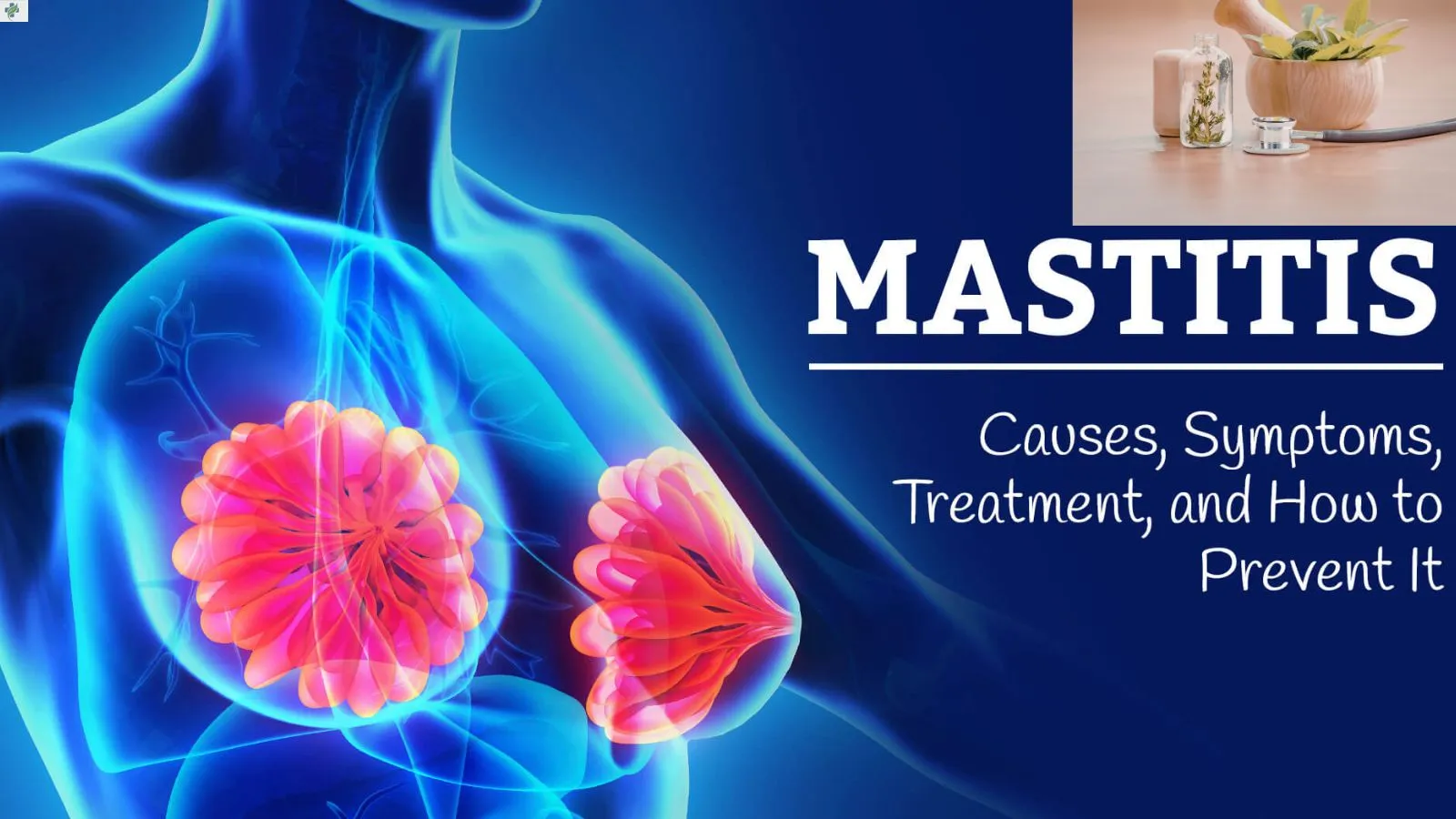
Natural remedies for mastitis refer to home-based treatments used to reduce inflammation and pain caused by mastitis. Mastitis itself is an infection or inflammation of breast tissue. It often occurs during breastfeeding.
Usually, the condition develops when milk ducts become blocked. Bacteria may also enter through cracked nipples. As a result, swelling and tenderness appear.
Symptoms:
- Breast pain or warmth
- Red or swollen breast area
- Fever and chills
- Fatigue or body aches
- Thickened breast tissue
Many mothers try natural mastitis treatments to improve milk flow and reduce inflammation. These remedies often include warm compresses, herbal support, and anti-inflammatory foods.
However, severe cases still require medical care.
How is Natural Remedies for Mastitis Made?
Unlike medicines, natural remedies for mastitis are not manufactured as a single product. Instead, they include several simple therapies that can be prepared at home.
Common natural treatments include:
Warm Compress Therapy
Warm cloths are applied to the breast. Heat improves blood circulation and opens blocked ducts.
Herbal Remedies
Certain herbs contain anti-inflammatory compounds. Popular options include:
- Turmeric (contains curcumin)
- Garlic (natural antibacterial agent)
- Ginger (supports immune response)
These herbs are usually consumed in teas or food.
Cabbage Leaf Treatment
Cold cabbage leaves are often placed on the breast. This traditional method helps reduce breast swelling.
Massage and Milk Drainage
Gentle massage is performed toward the nipple. This encourages milk flow and reduces duct blockage.
Together, these approaches form the foundation of many mastitis home remedies.
Is Natural Remedies for Mastitis Safe?
In most mild cases, natural remedies for mastitis are considered safe. Many doctors even recommend supportive home care during early stages.
Benefits:
- Warm compresses improve milk drainage
- Frequent breastfeeding prevents blockage
- Anti-inflammatory foods reduce swelling
However, safety depends on proper use.
Example:
- Excess pressure during massage may worsen pain
- Certain herbs may trigger allergies
- Delaying antibiotics in severe infections can be dangerous
Therefore, medical consultation is recommended if symptoms worsen or fever persists.
If untreated, mastitis can develop into a breast abscess, which requires medical drainage.
Why Is Natural Remedies for Mastitis Used in Food?
Many natural remedies for mastitis involve foods with healing properties. These foods support the immune system and reduce inflammation.
Common healing foods include:
- Turmeric milk for inflammation control
- Garlic for antibacterial support
- Ginger tea for pain relief
- Leafy greens for immune nutrients
These ingredients contain antioxidants, vitamins, and anti-inflammatory compounds.
Because of this, diet plays an important role in recovery.
Nutritional Value of Natural Remedies for Mastitis
Many foods used in mastitis remedies are nutrient-dense. Their nutrients help reduce inflammation and support healing.
| Ingredient | Key Nutrients | Health Role |
|---|---|---|
| Turmeric | Curcumin, antioxidants | Reduces inflammation |
| Garlic | Allicin, vitamin C | Supports immune defense |
| Ginger | Gingerol, antioxidants | Helps pain relief |
| Leafy Greens | Iron, folate, vitamin K | Supports healing |
| Yogurt | Probiotics, calcium | Improves gut health |
These nutrients may strengthen the body during infection recovery.
Benefits of Natural Remedies for Mastitis
Many mothers choose natural remedies for mastitis because they offer gentle support.
1. Reduce Breast Inflammation
Anti-inflammatory foods like turmeric and ginger can help reduce swelling.
2. Improve Milk Flow
Warm compresses and massage improve blocked milk ducts.
3. Lower Pain and Discomfort
Natural treatments may soothe sore breast tissue.
4. Support Immune Function
Foods rich in antioxidants help the body fight infection.
5. Encourage Continued Breastfeeding
Pain relief allows mothers to continue feeding safely.
As a result, recovery may occur faster when combined with proper care.
Risks and Side Effects
- Allergic reactions to herbs
- Delayed medical treatment
- Skin irritation from compresses
- Excess pressure during massage
Medical help should be sought:
- High fever
- Severe pain
- Pus discharge
- Symptoms lasting more than 48 hours
Natural Remedies for Mastitis and Diabetes
For people with diabetes, infections can become more severe.
Because of this, mastitis may take longer to heal. Blood sugar levels can also affect immune function.
Certain anti-inflammatory foods used in natural remedies may help manage inflammation. For example:
- Turmeric supports blood sugar balance
- Garlic may improve insulin sensitivity
- Ginger can reduce inflammation
However, diabetic patients should consult a doctor before using herbal treatments.
Natural Remedies for Mastitis and Weight Loss
Some foods used in natural mastitis remedies may support healthy weight management.
For instance:
- Ginger can boost metabolism
- Garlic may reduce fat accumulation
- Leafy vegetables are low in calories
However, these benefits are secondary. The main purpose remains inflammation relief and healing.
Natural Remedies for Mastitis and Gut Health
Gut health plays a key role in immunity. Therefore, foods used in mastitis home remedies often support digestion.
Important gut-supporting foods include:
- Probiotic yogurt
- Fermented foods
- Fiber-rich vegetables
These foods encourage healthy gut bacteria. In turn, immune function may improve.
Because of this connection, balanced nutrition supports recovery from mastitis.
FAQs
Can mastitis go away naturally?
Yes, mild mastitis may improve with rest, frequent breastfeeding, and warm compresses. However, medical care may be needed if symptoms worsen.
What is the fastest natural remedy for mastitis?
Warm compresses combined with gentle breast massage often provide quick relief by improving milk flow.
Are cabbage leaves really helpful for mastitis?
Yes, chilled cabbage leaves may reduce swelling and breast pain. Many breastfeeding mothers use this traditional remedy.
Should you continue breastfeeding with mastitis?
Yes, frequent breastfeeding is usually recommended because it helps drain blocked milk ducts.
When should I see a doctor for mastitis?
If fever, severe pain, or symptoms last longer than two days, medical evaluation is recommended.
Can mastitis affect milk supply?
Yes, untreated mastitis may reduce milk flow. Early treatment helps protect milk production.
Final Takeaway
Mastitis is a common challenge during breastfeeding. Thankfully, natural remedies for mastitis may help relieve discomfort and support healing.
Simple treatments such as warm compresses, gentle massage, anti-inflammatory foods, and herbal teas can improve symptoms. These remedies help reduce swelling, support milk flow, and strengthen immunity.
However, natural treatments should not replace medical care in severe cases. Persistent symptoms require professional attention.
When used wisely, natural remedies can be a valuable part of mastitis recovery.
Medical Disclaimer
This article is for educational purposes only. It does not replace professional medical advice, diagnosis, or treatment. Always consult a qualified healthcare provider before using any natural remedy, especially during breastfeeding or if symptoms persist.

Sarah Mitchell is a wellness writer specializing in healthy lifestyle and mental well-being. She provides easy health tips to support daily wellness.