

Blurred vision can quietly disrupt daily life. Many people notice it while reading, driving, or using screens. One common cause behind this issue is stigmatism of eye meaning, often misunderstood and confused with other vision problems.
In simple terms, this condition affects how light enters your eye. As a result, objects may appear distorted or unclear. However, with proper awareness and care, it is highly manageable.
|RELATED: Natural Ways to Boost Your Immune System Fast
What is Stigmatism of Eye Meaning?
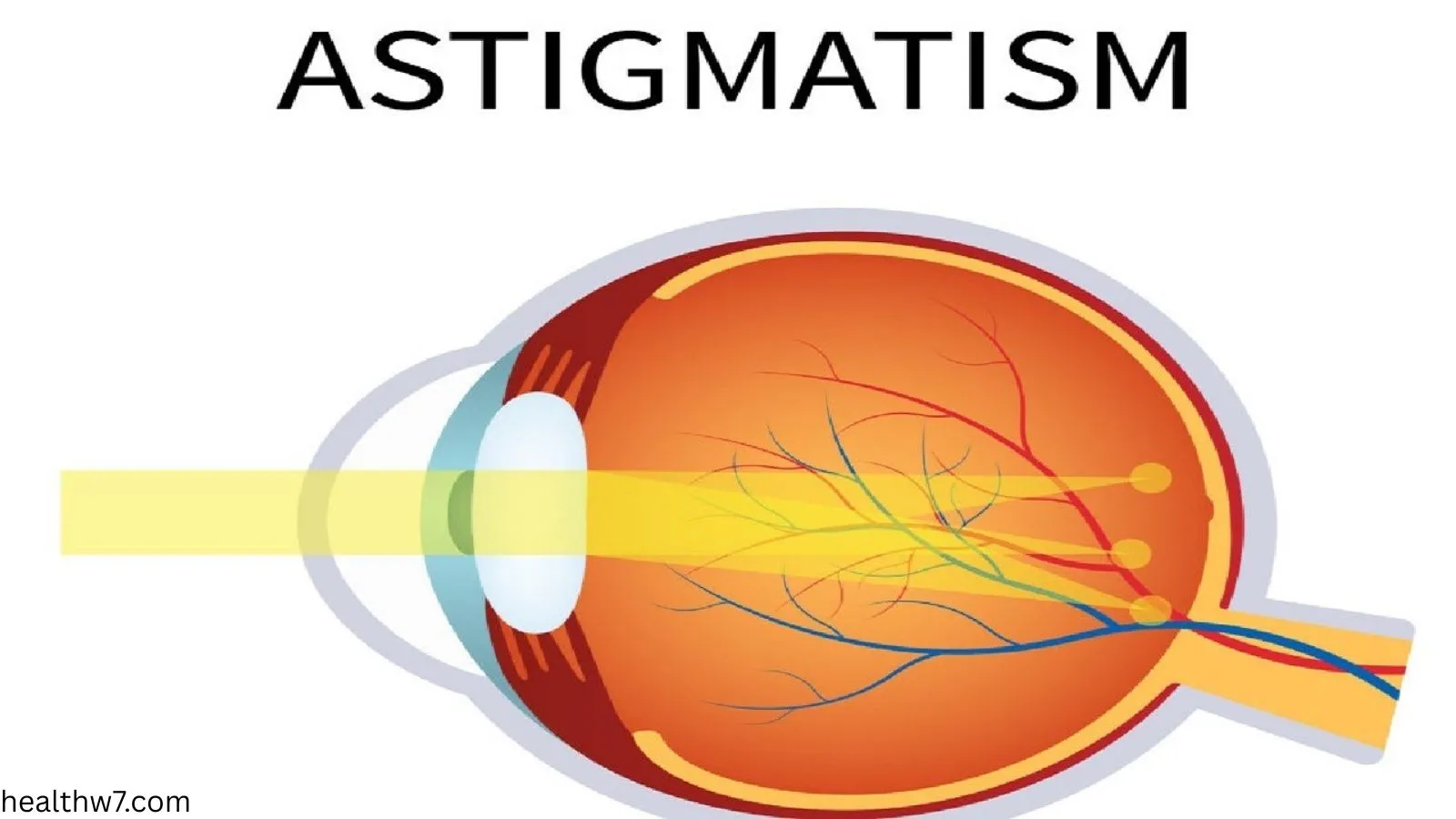
At its core, stigmatism of eye meaning refers to a vision condition where the eye does not focus light evenly on the retina.
Normally, the cornea (front surface of the eye) has a perfectly round shape. But in stigmatism, it becomes slightly irregular—more like a rugby ball than a football. Consequently, light rays scatter instead of focusing properly.
Causes of Stigmatism
Interestingly, stigmatism can develop due to several factors. While some are genetic, others occur over time.
Common Causes
- Genetics: Often inherited from parents
- Irregular cornea shape: Present from birth
- Eye injury: Can change corneal structure
- Eye surgery: Rarely alters curvature
- Keratoconus: A condition where cornea thins and bulges
Moreover, many people have mild stigmatism without even realizing it.
Symptoms of Stigmatism
Recognizing symptoms early can prevent discomfort. Symptoms may vary depending on severity.
Common Signs
- Blurry or distorted vision
- Eye strain or fatigue
- Frequent headaches
- Difficulty seeing at night
- Squinting to see clearly
In addition, children may struggle in school due to undiagnosed vision issues.
Types of Stigmatism
Understanding types helps in accurate treatment. There are mainly two forms:
1. Corneal Stigmatism
Occurs when the cornea has an uneven shape.
2. Lenticular Stigmatism
Caused by irregularities in the eye’s lens.
Both types can coexist, making vision even more complex.
How is Stigmatism Diagnosed?
Eye specialists use simple, painless tests to detect it.
Common Tests
- Visual acuity test: Measures clarity of vision
- Refraction test: Determines lens power needed
- Keratometry: Measures corneal curvature
Regular eye exams are crucial, especially if symptoms appear.
Treatment Options for Stigmatism
1. Eyeglasses
The simplest and safest option. Special lenses correct how light enters the eye.
2. Contact Lenses
These provide clearer vision for some people. Toric lenses are commonly used.
3. Laser Eye Surgery
Advanced procedures reshape the cornea permanently.
Popular Procedures
- LASIK
- PRK
4. Orthokeratology (Ortho-K)
Special lenses worn overnight to temporarily reshape the cornea.
Benefits of Treating Stigmatism
Addressing stigmatism of eye meaning improves overall quality of life.
Key Benefits
- Sharper and clearer vision
- Reduced headaches
- Better night driving ability
- Improved reading and screen use
Furthermore, early treatment prevents worsening discomfort.
Possible Side Effects of Treatment
Although treatments are generally safe, minor side effects can occur.
Common Side Effects
- Dry eyes
- Temporary blurred vision
- Light sensitivity
- Mild discomfort with lenses
However, most side effects fade with time or proper care.
Practical Tips for Eye Health
Maintaining eye health reduces complications.
Daily Tips
- Follow the 20-20-20 rule (rest eyes every 20 minutes)
- Use proper lighting while reading
- Avoid excessive screen time
- Keep lenses clean
- Eat eye-friendly foods (carrots, spinach, fish)
Additionally, staying hydrated helps maintain tear balance.
When to See a Doctor
Do not ignore persistent vision problems.
Seek medical help if:
- Vision becomes suddenly blurry
- Headaches increase frequently
- Night vision worsens
- Eye strain affects daily work
Early diagnosis ensures effective treatment and prevents complications.
Quick Comparison Table
| Feature | Normal Vision | Stigmatism Vision |
|---|---|---|
| Cornea Shape | Round | Irregular |
| Light Focus | Single point | Multiple points |
| Vision Clarity | Sharp | Blurry/distorted |
| Eye Strain | Rare | Common |
FAQs
- Can stigmatism be corrected?
Yes, it can be corrected with glasses, contact lenses, or laser eye surgery. - Is stigmatism serious?
Usually not serious, but it can cause discomfort and blurred vision if untreated. - What does stigmatism do to your eyes?
It makes vision blurry or distorted because light doesn’t focus properly on the retina. - What causes a stigma in your eyes?
It is mainly caused by an irregular shape of the cornea or lens, often from birth. - What vitamin is good for astigmatism?
Vitamin A supports overall eye health but does not cure astigmatism. - Do stigmatism go away?
No, it does not go away on its own, but it can be managed effectively. - What causes eye stigmatism?
It is caused by uneven curvature of the cornea or lens, sometimes due to genetics or injury.
Summary
Understanding stigmatism of eye meaning is essential for maintaining healthy vision. It occurs when the eye’s surface is uneven, causing blurry sight. While it may seem concerning, it is easily treatable with glasses, lenses, or surgery.
With proper care, regular checkups, and timely treatment, you can enjoy clear and comfortable vision.
Medical Disclaimer
This article is for informational purposes only and does not replace professional medical advice. Always consult a qualified eye specialist for diagnosis and treatment.

Sarah Mitchell is a wellness writer specializing in healthy lifestyle and mental well-being. She provides easy health tips to support daily wellness.