

A knee replacement can feel like a fresh start. Many people expect quick relief and better mobility after surgery. Yet recovery does not happen overnight. Small habits during healing can greatly affect long-term results.
Surprisingly, many patients unknowingly slow their recovery. Some push their knee too hard, while others barely move it. Both extremes can create setbacks.
Understanding the top 5 mistakes after knee replacement helps you protect your new joint. With the right choices, recovery becomes smoother, safer, and far more comfortable.
|See also: crackling in my ear
What Is Knee Replacement Surgery?
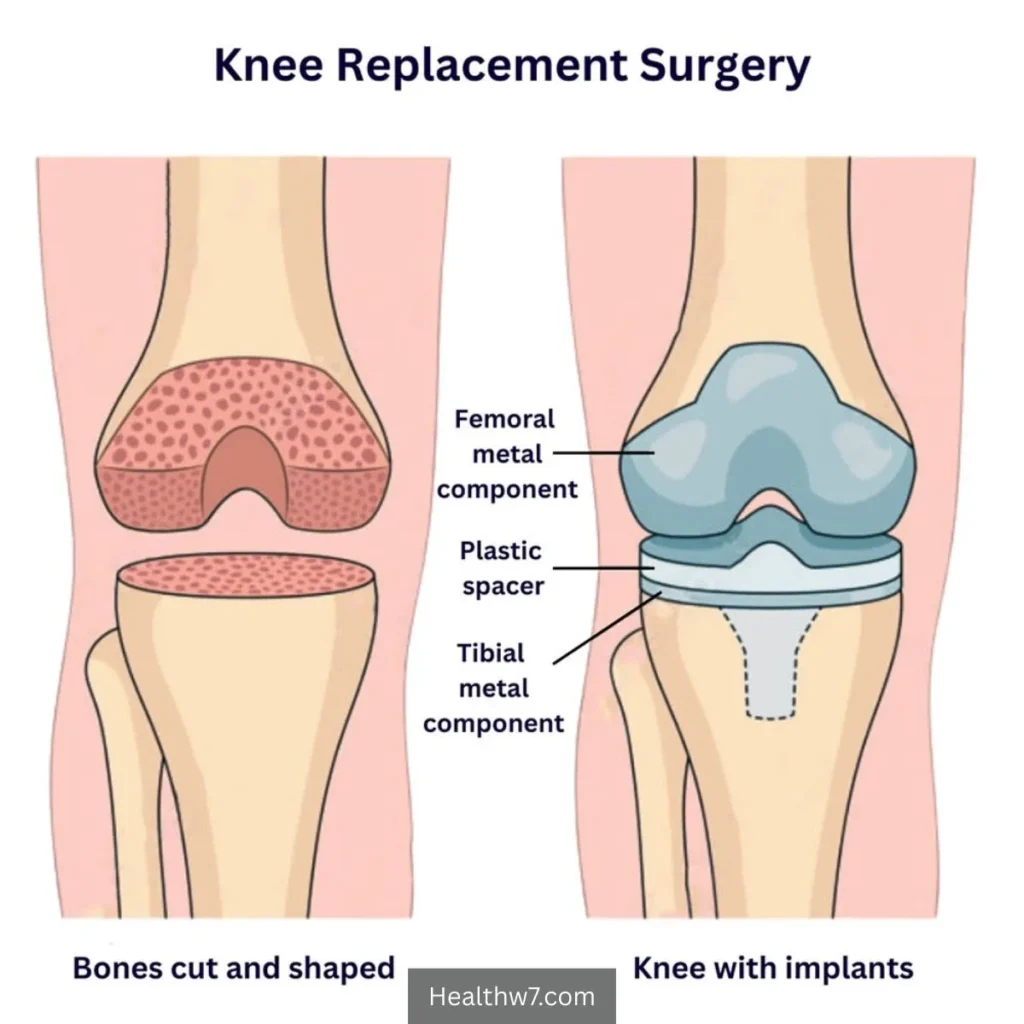
Knee replacement, also called knee arthroplasty, is a procedure where damaged cartilage and bone are replaced with artificial components.
Doctors often recommend this surgery for people with:
- Severe osteoarthritis
- Chronic knee pain
- Joint deformity
- Limited mobility
The artificial joint works like a hinge. It restores movement while reducing pain caused by worn cartilage.
However, the success of surgery depends heavily on post-surgery care and rehabilitation.
Top 5 Mistakes After Knee Replacement
1. Ignoring Physical Therapy
Physical therapy is the cornerstone of recovery. Yet many patients underestimate its importance.
Skipping exercises leads to stiffness and reduced flexibility. Without movement, scar tissue may form around the joint.
Why this matters
- Improves joint mobility
- Strengthens surrounding muscles
- Prevents stiffness and scar buildup
Helpful tip
Start with gentle exercises such as:
- Straight leg raises
- Heel slides
- Assisted knee bends
Consistency matters more than intensity.
2. Doing Too Much Too Soon
Another common pitfall is excessive activity.
Some patients feel energetic after surgery. They start walking long distances or climbing stairs too early.
However, the tissues around the knee still need time to heal.
Possible consequences
- Increased swelling
- Implant stress
- Delayed recovery
Practical advice
Follow your surgeon’s activity timeline carefully. Gradual progression ensures the implant stabilizes properly.
3. Not Managing Pain Properly
Pain is expected after knee replacement. Unfortunately, some people avoid prescribed medication due to fear of side effects.
Uncontrolled pain can prevent proper exercise and sleep.
Benefits of proper pain control
- Better mobility during therapy
- Improved sleep quality
- Faster healing
Pain management often includes:
- Prescribed medication
- Ice therapy
- Elevation
- Gentle movement
Balance is key. Always follow medical guidance.
4. Neglecting Wound Care
The surgical incision requires careful attention. Poor wound care increases infection risk.
Infections after knee replacement can become serious and may require additional surgery.
Basic wound care guidelines
- Keep the incision clean and dry
- Avoid soaking the wound in water
- Follow dressing instructions
- Monitor redness or discharge
Small signs can signal larger problems. Prompt care protects the implant and surrounding tissue.
5. Staying Too Sedentary
Surprisingly, inactivity is just as harmful as overexertion.
Some patients avoid movement due to fear of pain or damaging the implant. This hesitation slows circulation and weakens muscles.
Risks of inactivity
- Blood clots
- Joint stiffness
- Muscle loss
Light movement encourages healthy blood flow and faster recovery.
Simple activities help:
- Short walks around the house
- Ankle pumps
- Gentle stretching
Moderate motion keeps the knee functional.
Causes of Recovery Problems After Knee Replacement
Several factors can contribute to complications during recovery.
| Cause | How It Affects Recovery |
|---|---|
| Lack of exercise | Leads to stiffness and weak muscles |
| Overexertion | Causes swelling and tissue strain |
| Poor wound care | Increases infection risk |
| Ignoring medical advice | Delays healing process |
| Chronic health issues | Slows overall recovery |
Understanding these causes helps patients prevent avoidable setbacks.
Symptoms of Post-Surgery Complications
While mild discomfort is normal, certain symptoms may indicate a problem.
Watch for:
- Severe or increasing knee pain
- Persistent swelling
- Fever or chills
- Redness around the incision
- Drainage from the wound
- Sudden calf pain or swelling
These warning signs require medical attention.
Treatment and Recovery Strategies
Recovery after knee replacement involves multiple supportive treatments.
Physical Rehabilitation
Structured physiotherapy helps restore motion and muscle strength.
Medication
Doctors may prescribe:
- Pain relievers
- Blood thinners
- Anti-inflammatory medications
Ice and Elevation
Cold therapy reduces swelling and discomfort.
Assistive Devices
Tools such as walkers or canes help protect the knee while healing.
Recovery timeline overview
| Recovery Stage | Typical Duration | Focus |
|---|---|---|
| Early recovery | 1–3 weeks | Pain control and mobility |
| Intermediate | 4–8 weeks | Strength and flexibility |
| Advanced | 3–6 months | Full function and endurance |
Healing varies from person to person.
Benefits of Avoiding These Mistakes
Avoiding the top 5 mistakes after knee replacement leads to several advantages.
- Faster recovery
- Reduced pain and swelling
- Better joint flexibility
- Lower complication risk
- Improved long-term mobility
A mindful recovery plan protects your new joint for years.
Practical Recovery Tips
Small habits can dramatically improve healing.
- Follow your physiotherapy schedule
- Use supportive footwear
- Maintain a healthy weight
- Stay hydrated
- Sleep with the leg slightly elevated
- Avoid high-impact activities early on
Consistency and patience produce the best outcomes.
When to See a Doctor
Contact your healthcare provider immediately if you notice:
- High fever after surgery
- Increasing redness or warmth around the knee
- Severe swelling or calf pain
- Difficulty moving the knee suddenly
- Persistent drainage from the incision
Early treatment prevents serious complications.
Frequently Asked Questions
1. What is the biggest mistake after knee replacement?
The most common mistake is skipping physical therapy. Regular exercises restore strength and flexibility.
2. How long does it take to fully recover from knee replacement?
Most patients recover within 3–6 months, though full healing may take up to a year.
3. Is walking good after knee replacement surgery?
Yes. Gentle walking improves circulation and mobility, but it should increase gradually.
4. Can you damage a knee replacement implant?
Yes. High-impact activities or excessive strain early in recovery may damage the implant.
5. How long should you avoid stairs after knee replacement?
Many patients begin limited stair use within a few weeks under medical guidance.
6. Why is my knee still stiff after replacement surgery?
Stiffness often occurs if exercises are skipped or scar tissue develops.
Summary
Knee replacement surgery can transform daily life. However, recovery requires patience and careful habits.
The top 5 mistakes after knee replacement include skipping therapy, overdoing activity, ignoring pain control, neglecting wound care, and remaining too sedentary.
By avoiding these common pitfalls, patients can accelerate healing and protect their artificial joint.
A balanced recovery plan ensures long-lasting comfort and improved mobility.

Michael Anderson is a health content writer covering general wellness topics. He aims to make health information simple and easy to understand.