

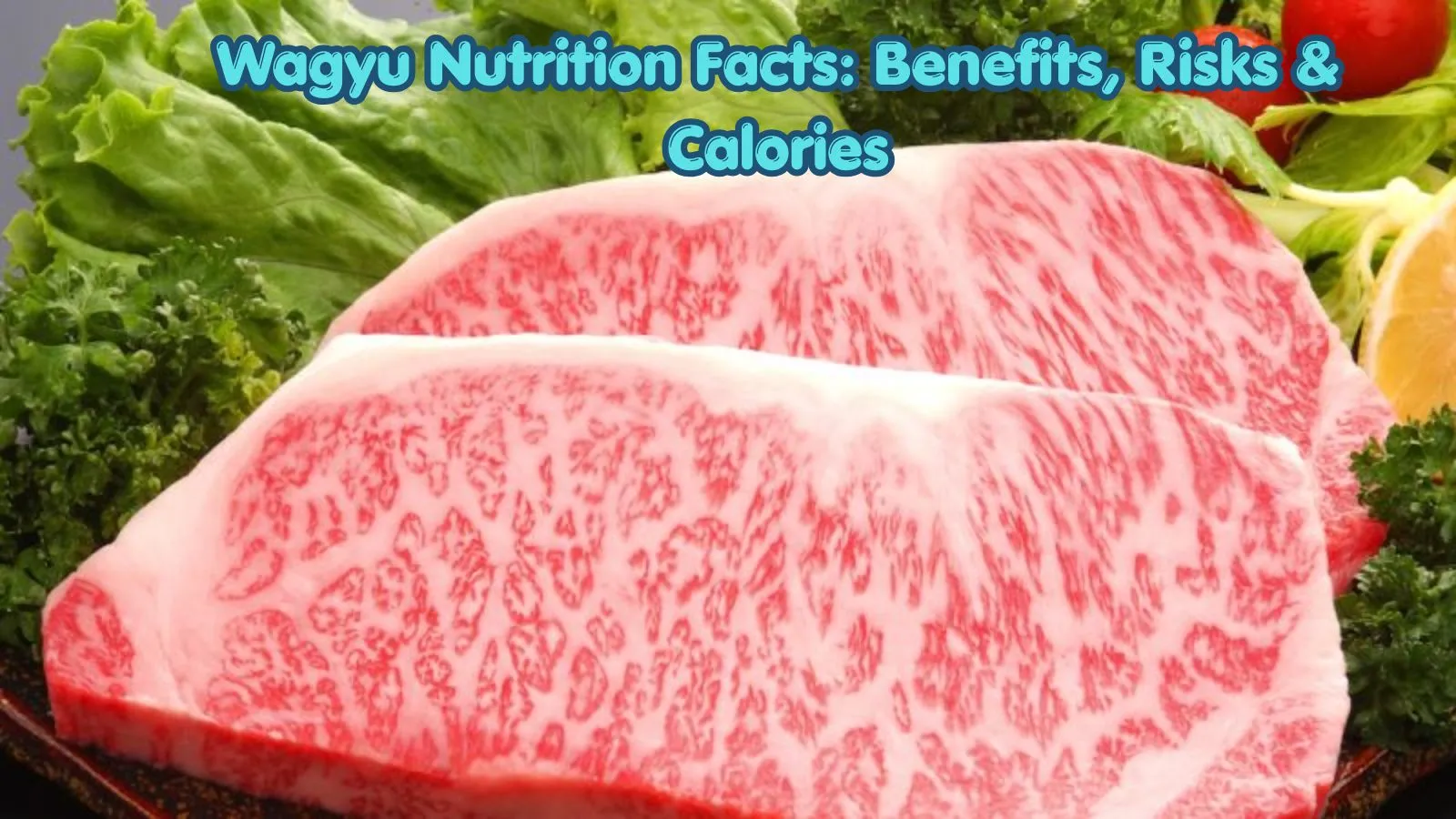
Curiosity sparks instantly when you hear about Wagyu beef. Known for its buttery texture and rich flavor, Wagyu is often seen as a luxury food. However, beyond its taste lies a fascinating nutritional profile worth exploring. Understanding Wagyu nutrition facts can help you decide whether this premium meat fits into your healthy eating plan.
Interestingly:
Wagyu contains unique fat compositions that differ from regular beef. Therefore, it may offer both benefits and concerns depending on how it is consumed.
|Learn more: Natural Remedies for Infected Tooth: Safe Home Relief
What Is Wagyu Beef?
Originating from Japan, Wagyu refers to specific cattle breeds raised with meticulous care. These animals develop intense marbling, meaning fat is evenly distributed within the muscle.
Key Characteristics
- High intramuscular fat (marbling)
- Tender texture
- Rich, umami flavor
- Higher price compared to regular beef
Wagyu Nutrition Facts
Wagyu nutrition facts begins with its macronutrient breakdown.
| Nutrient | Amount (100g) |
|---|---|
| Calories | 250–300 kcal |
| Protein | 18–22 g |
| Total Fat | 20–28 g |
| Saturated Fat | 8–10 g |
| Monounsaturated Fat | 10–14 g |
| Cholesterol | 70–90 mg |
| Iron | 2.5 mg |
| Zinc | 4–6 mg |
| Vitamin B12 | 2–3 mcg |
Fat Composition Diagram
Total Fat (100%)
│
├── Saturated Fat (30–40%)
├── Monounsaturated Fat (50–60%)
└── Polyunsaturated Fat (5–10%)
Notably:
Wagyu contains a higher ratio of monounsaturated fats compared to standard beef.
Why Wagyu Nutrition Facts Stand Out
Remarkably, Wagyu differs from conventional beef in several ways.
1. Higher Healthy Fat Content
Unlike typical red meat, Wagyu contains more monounsaturated fats. These fats are similar to those found in olive oil.
2. Better Omega Fat Balance
Wagyu provides a favorable omega-3 to omega-6 ratio, which supports heart health.
3. Lower Melting Point Fat
Interestingly, Wagyu fat melts at a lower temperature, making it easier to digest.
Health Benefits of Wagyu Beef
Improves Heart Health
Surprisingly, Wagyu may support cardiovascular wellness due to its fat profile. Monounsaturated fats can help maintain healthy cholesterol levels.
Provides High-Quality Protein
Protein in Wagyu supports muscle growth, tissue repair, and overall strength.
Rich in Essential Nutrients
Wagyu delivers key micronutrients such as:
- Iron (supports oxygen transport)
- Zinc (boosts immunity)
- Vitamin B12 (supports brain function)
Enhances Energy Levels
Due to its calorie density, Wagyu provides a quick energy boost when consumed in moderation.
Potential Risks and Side Effects
While Wagyu nutrition facts highlight benefits, moderation is crucial.
High Calorie Content
Excess intake may lead to weight gain. Wagyu is calorie-dense, so portion control matters.
Saturated Fat Concerns
Although balanced with healthy fats, saturated fat still exists and may affect heart health if overconsumed.
Cholesterol Levels
People with high cholesterol should consume Wagyu cautiously.
Digestive Issues
Eating large portions may cause heaviness or discomfort due to fat content.
Uses of Wagyu in a Healthy Diet
Incorporating Wagyu wisely can elevate both taste and nutrition.
Practical Uses
- Grilled steaks for special occasions
- Thin slices in stir-fries
- Small portions in rice bowls
- Added to salads for protein boost
Healthy Cooking Tips
- Use minimal oil since Wagyu releases its own fat
- Pair with vegetables for balance
- Avoid deep frying
- Control portion sizes (50–100g recommended)
Causes of Health Concerns (If Overused)
Overconsumption of Wagyu can contribute to health issues.
Common Causes
- Eating large portions frequently
- Combining with high-fat side dishes
- Sedentary lifestyle
- Lack of dietary balance
Symptoms of Overconsumption
If Wagyu is eaten excessively, some symptoms may appear.
Possible Symptoms
- Weight gain
- Fatigue
- Indigestion
- Elevated cholesterol levels
Treatment and Prevention
Fortunately, managing Wagyu intake is simple.
Prevention Tips
- Limit intake to occasional meals
- Balance with fiber-rich foods
- Stay physically active
- Monitor cholesterol levels regularly
Dietary Adjustments
- Replace frequent red meat with lean protein sources
- Include fruits, vegetables, and whole grains
When to See a Doctor
Seek medical advice if you experience:
- Persistent high cholesterol
- Heart-related symptoms
- Digestive discomfort after fatty meals
- Unexplained weight gain
A healthcare provider can guide proper dietary choices.
FAQs
Is Wagyu healthier than regular beef?
Yes, in some ways. Wagyu contains more monounsaturated fats, which are considered healthier than saturated fats.
How many calories are in Wagyu beef?
Wagyu provides around 250–300 calories per 100 grams, depending on the cut.
Can I eat Wagyu on a diet?
Yes, but only in small portions. Its high calorie content requires careful moderation.
Does Wagyu increase cholesterol?
It may increase cholesterol if consumed in large amounts, despite its healthier fat profile.
Is Wagyu good for muscle building?
Yes, it provides high-quality protein that supports muscle growth and recovery.
How often should I eat Wagyu?
It is best enjoyed occasionally, not as a daily protein source.
Summary
Wagyu nutrition facts reveal a unique blend of indulgence and nourishment. Its high monounsaturated fat content sets it apart from regular beef, offering potential heart benefits when eaten in moderation. However, its calorie density and saturated fat content demand mindful consumption. By controlling portion sizes and balancing meals, Wagyu can be part of a healthy lifestyle without compromising wellness.
Medical Disclaimer
This article is for informational purposes only and does not replace professional medical advice. Always consult a qualified healthcare provider before making dietary changes, especially if you have existing health conditions.

Sarah Mitchell is a wellness writer specializing in healthy lifestyle and mental well-being. She provides easy health tips to support daily wellness.