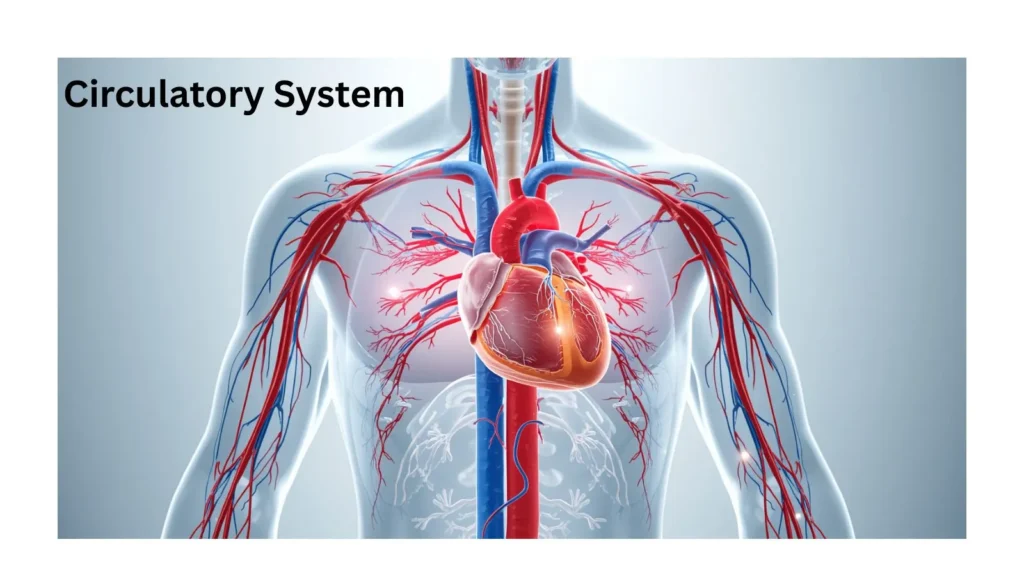
The human body is a marvel of interconnected systems, and at the core of this complexity lies the circulatory system. Without it, survival would be impossible. This system is responsible for transporting oxygen, nutrients, hormones, and immune cells while simultaneously removing carbon dioxide and metabolic waste. It is both a delivery and disposal service, operating continuously to sustain life.
|See also: Natural Remedies for Mastitis: Safe Relief for Nursing Moms
Anatomy of the Circulatory System
- Heart: A muscular organ divided into four chambers (two atria and two ventricles). It acts as the central pump.
- Blood Vessels:
- Arteries carry oxygen-rich blood away from the heart.
- Veins return deoxygenated blood back to the heart.
- Capillaries are microscopic vessels where gas and nutrient exchange occurs.
- Blood: Composed of plasma, red blood cells (oxygen carriers), white blood cells (immune defense), and platelets (clotting agents).
Circulatory Pathways
- Pulmonary Circulation: Moves blood between the heart and lungs for oxygenation.
- Systemic Circulation: Distributes oxygenated blood throughout the body.
- Coronary Circulation: Supplies the heart muscle itself with oxygen and nutrients.
Functions of the Circulatory System
- Transport: Oxygen, nutrients, hormones, and immune cells.
- Waste Removal: Carbon dioxide and metabolic by-products.
- Temperature Regulation: Maintains body temperature through blood flow adjustments.
- Immune Defense: Circulates white blood cells to fight infections.
- Homeostasis: Keeps pH, fluid balance, and electrolyte levels stable.
Common Disorders
- Hypertension (High Blood Pressure): Strains the heart and vessels.
- Atherosclerosis: Plaque buildup in arteries.
- Heart Attack (Myocardial Infarction): Blockage of coronary arteries.
- Stroke: Interrupted blood flow to the brain.
- Arrhythmias: Irregular heartbeats.
Maintaining a Healthy Circulatory System
- Balanced Diet: Rich in fruits, vegetables, whole grains, and lean proteins.
- Regular Exercise: Improves circulation and strengthens the heart.
- Hydration: Keeps blood volume stable.
- Avoid Smoking: Prevents vascular damage.
- Stress Management: Reduces strain on the heart.
- Routine Checkups: Early detection of cardiovascular issues.
Importance in Overall Health
The circulatory system is not isolated—it interacts with other systems:
- Respiratory System: Supplies oxygen and removes carbon dioxide.
- Digestive System: Absorbs nutrients into the bloodstream.
- Endocrine System: Distributes hormones.
- Immune System: Circulates defense cells.
Risks and Side Effects of Circulatory System Problems
Although the circulatory system works continuously, several health conditions can affect it.
High Blood Pressure
High blood pressure forces the heart to work harder. Over time, it may damage blood vessels and increase the risk of stroke or heart attack.
Heart Disease
Blocked or narrowed arteries reduce blood flow to the heart. Therefore, chest pain and serious cardiac issues may occur.
Poor Circulation
Poor circulation can cause numbness, swelling, and fatigue. In some cases, it may lead to tissue damage.
Blood Clots
Blood clots can block blood vessels and stop blood flow. As a result, they may cause dangerous conditions like deep vein thrombosis or pulmonary embolism.
Stroke
A stroke happens when blood flow to the brain is interrupted. Consequently, brain cells begin to die within minutes.
How the Circulatory System Works
Step 1: The Heart Pumps Blood
The heart acts like a powerful pump. It pushes oxygen-rich blood through arteries to the body.
Step 2: Blood Travels Through Arteries
Arteries carry blood away from the heart. These blood vessels have thick walls to handle strong blood pressure.
Step 3: Capillaries Exchange Materials
Capillaries are tiny blood vessels where oxygen and nutrients move into body tissues. Meanwhile, waste products enter the bloodstream.
Step 4: Veins Return Blood
Veins carry oxygen-poor blood back to the heart. Afterward, the blood travels to the lungs for fresh oxygen.
Step 5: The Cycle Repeats
The heart continues pumping blood every second. Therefore, the body receives a constant supply of oxygen and nutrients.
Does the Circulatory System Cause Discomfort?
A healthy circulatory system usually works silently without pain. However, circulatory problems may lead to discomfort.
Common Symptoms Include:
- Chest pain
- Swollen legs
- Tingling or numbness
- Fatigue
- Cold hands and feet
- Shortness of breath
In addition, severe pain may signal serious conditions such as heart attack or blocked arteries. Therefore, medical attention is important if symptoms appear suddenly.
How Long Do Results Last?
The circulatory system works throughout a person’s entire life. However, its health depends on daily habits and medical care.
Healthy Habits That Support Long-Term Circulation
- Regular exercise
- Balanced diet
- Drinking enough water
- Avoiding smoking
- Managing stress
- Sleeping properly
As long as these habits continue, circulation often remains healthy for many years.
Cost of Circulatory System Treatments
Costs related to circulatory health vary widely depending on the condition and treatment.
Common Healthcare Costs
| Treatment or Service | Approximate Cost |
|---|---|
| Blood pressure check | $20–$100 |
| Cholesterol testing | $50–$200 |
| Heart ultrasound | $200–$1,500 |
| Angioplasty procedure | $10,000–$30,000 |
| Heart bypass surgery | $70,000–$200,000 |
Factors That Affect Cost
- Hospital location
- Doctor experience
- Insurance coverage
- Type of treatment
- Severity of condition
Therefore, preventive care is often more affordable than major surgery.
How to Find a Qualified Professional
Choosing the right healthcare provider is very important for circulatory health.
Look for Board Certification
A certified cardiologist or vascular specialist usually has advanced training and experience.
Check Experience
Doctors who treat circulatory conditions regularly may provide better care. Therefore, ask about their background and specialties.
Read Patient Reviews
Online reviews can help patients understand a doctor’s communication style and reputation.
Ask About Technology and Testing
Modern clinics often use advanced imaging and diagnostic equipment. As a result, conditions may be detected earlier.
Verify Hospital Affiliation
Doctors connected with trusted hospitals often have access to better medical resources.
Alternatives and Supportive Options
Although the circulatory system itself cannot be replaced, several methods support healthy circulation.
Exercise Programs
Walking, swimming, and cycling improve blood flow naturally. In addition, exercise strengthens the heart.
Compression Therapy
Compression socks help blood move properly through the legs. Therefore, they are often used for swelling and vein problems.
Healthy Diet Plans
Foods rich in fiber, healthy fats, and antioxidants support heart health. For example, fruits, vegetables, fish, and nuts are beneficial.
Stress Reduction Techniques
Meditation and yoga may help lower blood pressure and improve circulation.
Medications
Doctors sometimes prescribe medications to manage cholesterol, blood pressure, or blood clot risks.
Tips to Keep the Circulatory System Healthy
Stay Active
Regular movement improves heart strength and circulation. Even short walks can help.
Eat Heart-Healthy Foods
Reduce processed foods and choose fresh ingredients instead.
Avoid Smoking
Smoking damages blood vessels and reduces oxygen levels in the blood.
Drink Enough Water
Hydration helps blood flow smoothly throughout the body.
Schedule Regular Checkups
Routine health exams can detect circulatory issues early.
FAQs About the Circulatory System
What organs are part of the circulatory system?
The main organs include the heart, blood vessels, and blood.
What is the main function of the circulatory system?
Its main role is transporting oxygen, nutrients, hormones, and waste products throughout the body.
How can I improve blood circulation naturally?
Exercise, healthy eating, hydration, and avoiding smoking can improve circulation.
What causes poor circulation?
Poor circulation may result from diabetes, smoking, obesity, or blocked arteries.
Can stress affect the circulatory system?
Yes. Long-term stress may increase blood pressure and strain the heart.
How many times does the heart beat daily?
The average heart beats about 100,000 times each day.
Why is the circulatory system important?
It keeps organs functioning properly by delivering oxygen and nutrients continuously.
Final Takeaway
The circulatory system keeps the body alive by transporting oxygen, nutrients, and hormones while removing waste products. In addition, it supports immunity, organ health, and body temperature control. Although circulatory problems can become serious, healthy lifestyle habits and early medical care greatly reduce risks. Therefore, understanding and protecting the circulatory system is essential for long-term health and wellness.

Daniel Carter writes about fitness and healthy living. His goal is to help readers improve their health with simple and effective habits.