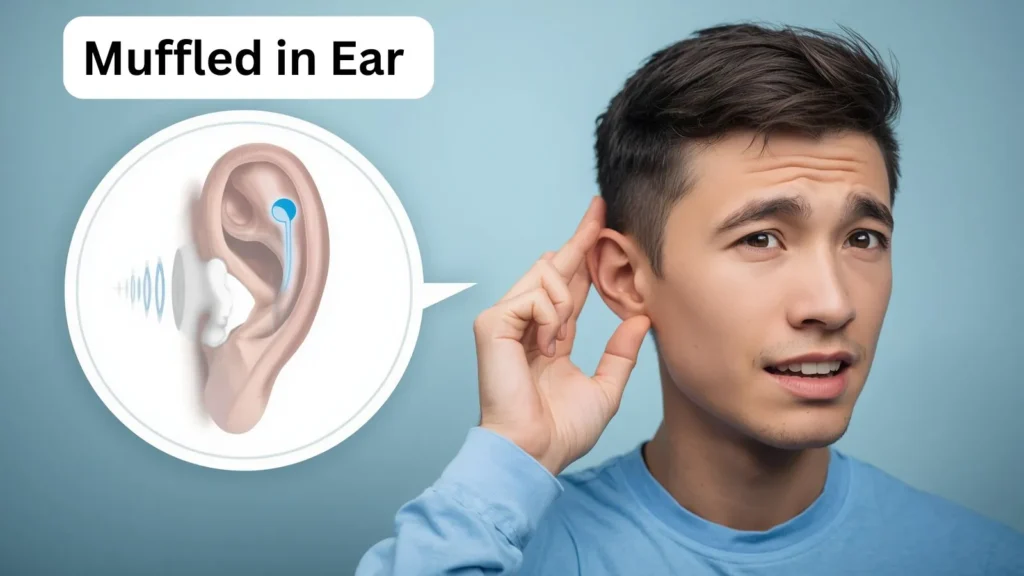
Have you ever woken up and noticed that one ear suddenly sounds blocked or unclear?
Maybe voices seem distant, music feels dull, or your hearing sounds like it is underwater. If so, you are not alone.
Many people ask, “why does my ear feel muffled?” because the sensation can appear suddenly and feel uncomfortable or even scary. Sometimes the issue is harmless, like earwax buildup. However, in other cases, it may point to allergies, infections, or hearing problems that need medical attention.
what causes muffled hearing matters because your ears play a huge role in communication, balance, and daily comfort. The good news is that many cases are treatable with simple care or medical treatment
|See also: Oregano Oil for Sore Throat: Benefits, Uses, and Safety
Why Does My Ear Feel Muffled?
The phrase “why does my ear feel muffled” refers to a condition where sounds become dull, blocked, or unclear. People often describe it as:
- Feeling like cotton is inside the ear
- Hearing sounds underwater
- Pressure or fullness in the ear
- Reduced hearing ability
- Popping sensations
Muffled hearing can happen in one ear or both ears. It may last a few minutes, several days, or even longer depending on the cause.
Sometimes the problem is temporary. For example, flying on an airplane can create pressure changes that make hearing sound muffled. In other cases, medical conditions such as infections or hearing loss may be responsible.
How Does Work?
Your ears collect sound waves and send signals to the brain. When something interrupts this process, hearing can become muffled.
Here is a simple step-by-step explanation:
1. Sound Enters the Ear
Sound waves travel through the outer ear canal.
2. The Eardrum Vibrates
The eardrum moves when sound waves hit it.
3. Tiny Ear Bones Carry Sound
Small bones inside the middle ear pass vibrations deeper into the ear.
4. The Inner Ear Sends Signals
The cochlea changes vibrations into nerve signals.
5. The Brain Understands Sound
Your brain processes the signals into recognizable sounds.
If any part of this process becomes blocked or damaged, hearing may sound unclear or muffled.
Common Causes of Muffled Hearing
Many conditions can explain why your ear feels muffled. Some are mild, while others require treatment.
Earwax Buildup
Earwax protects the ear, but too much wax can block sound.
Symptoms include:
- Ear fullness
- Reduced hearing
- Ringing in the ear
- Mild discomfort
Ear Infection
Fluid and swelling from infections can affect hearing.
Common signs include:
- Pain
- Fever
- Pressure
- Fluid drainage
Allergies or Sinus Problems
Congestion can block the Eustachian tube, which connects the ear to the throat.
Water Trapped in the Ear
Swimming or showering can leave water inside the ear canal.
Pressure Changes
Airplane travel, mountain driving, or scuba diving may create ear pressure problems.
Hearing Loss
Age-related hearing loss can slowly make sounds seem muffled.
Loud Noise Exposure
Concerts, machinery, or headphones at high volume may temporarily damage hearing.
Tinnitus
Some people experience ringing together with muffled hearing.
Key Features of Muffled Hearing
Here are the most common signs linked to muffled ears:
- Reduced hearing clarity
- Ear pressure or fullness
- Popping sensations
- Ringing sounds
- Temporary hearing loss
- Dizziness in some cases
- Pain or discomfort
- Sensitivity to sound
Different causes create different symptoms. For example, earwax often causes blockage without pain, while infections usually hurt.
Symptoms That May Appear Alongside Muffled Hearing
Muffled hearing sometimes comes with additional symptoms.
Mild Symptoms
- Temporary hearing changes
- Ear popping
- Slight discomfort
- Pressure feeling
Moderate Symptoms
- Headaches
- Ringing ears
- Balance problems
- Ear drainage
Serious Symptoms
Seek medical help immediately if you experience:
- Sudden hearing loss
- Severe dizziness
- High fever
- Intense ear pain
- Blood or fluid leakage
Benefits of Understanding Ear Problems
Knowing why your ear feels muffled can help you take faster action and avoid complications.
Early Treatment
Catching infections or hearing problems early improves recovery chances.
Better Hearing Health
You can prevent long-term hearing damage by protecting your ears.
Reduced Anxiety
Understanding symptoms often lowers stress and fear.
Improved Daily Life
Clear hearing improves communication, work, and social activities.
For example, someone with allergy-related ear blockage may feel much better after treating congestion.
Real-World Applications
Understanding muffled hearing is useful in everyday situations.
During Air Travel
Learning pressure-relief techniques can reduce discomfort while flying.
Swimming Activities
Swimmers can avoid trapped water and infections.
Workplace Safety
Workers around loud machines can use hearing protection.
Senior Health Care
Older adults can recognize early hearing loss symptoms.
Child Care
Parents can identify ear infections in children more quickly.
Home Remedies for Muffled Ears
Some mild cases improve with simple home care.
Try Swallowing or Yawning
This helps equalize ear pressure.
Use Steam
Warm steam may reduce sinus congestion.
Stay Hydrated
Drinking water supports healthy mucus flow.
Warm Compress
A warm cloth may ease pain and pressure.
Over-the-Counter Drops
Earwax softening drops can help loosen wax.
Avoid Cotton Swabs
Pushing objects into the ear may worsen blockage.
Advantages and Disadvantages
| Advantages | Disadvantages |
|---|---|
| Many causes are treatable | Some conditions need medical care |
| Home remedies often help | Symptoms can return |
| Early treatment prevents complications | Hearing loss may become permanent |
| Awareness improves ear health | Diagnosis can sometimes be difficult |
“Why Does My Ear Feel Muffled” vs Hearing Loss
People often confuse muffled hearing with permanent hearing loss.
| Muffled Hearing | Permanent Hearing Loss |
|---|---|
| Often temporary | Usually long-term |
| May involve pressure | Often gradual |
| Common with infections | Common with aging |
| Can improve quickly | May need hearing aids |
Temporary muffled hearing usually improves after the underlying issue is treated.
When Should You See a Doctor?
Medical care is important if symptoms last more than a few days.
See a doctor if you have:
- Severe ear pain
- Sudden hearing loss
- Fever
- Dizziness
- Persistent ringing
- Fluid drainage
- Symptoms after injury
Doctors may examine your ear using special tools or perform hearing tests.
How Doctors Diagnose Muffled Hearing
Healthcare providers use several methods to find the cause.
Physical Ear Examination
Doctors check for wax, infection, or swelling.
Hearing Tests
Audiologists measure hearing ability.
Imaging Tests
Rarely, CT scans or MRIs may be needed.
Medical History Review
Your symptoms and lifestyle help guide diagnosis.
Treatments for Muffled Hearing
Treatment depends on the cause.
Earwax Removal
Doctors safely remove impacted wax.
Antibiotics
Used for bacterial ear infections.
Allergy Medication
Helps reduce swelling and congestion.
Hearing Aids
Useful for long-term hearing loss.
Surgery
Rarely needed for structural ear problems.
Preventing Muffled Ears
Simple habits can protect your hearing.
Keep Ears Clean Safely
Do not insert sharp objects into the ear canal.
Protect Against Loud Noise
Wear earplugs in noisy environments.
Treat Allergies Quickly
Reducing congestion helps prevent ear pressure.
Dry Ears After Swimming
Tilt your head to remove trapped water.
Lower Headphone Volume
Avoid listening at high volume for long periods.
Future of Ear Health and Hearing Care
Ear care technology continues improving rapidly.
Smart Hearing Devices
Modern hearing aids now connect to smartphones.
Better Diagnostic Tools
Doctors can identify hearing issues earlier than before.
Noise Protection Technology
Advanced ear protection reduces workplace hearing damage.
Telehealth Ear Care
Patients can speak with hearing specialists online.
Researchers are also studying new treatments for hearing restoration and inner ear damage.
Common Problems and Solutions
Problem: Ear Feels Blocked After Flying
Solution: Try yawning, swallowing, or chewing gum.
Problem: Water Stuck in Ear
Solution: Tilt your head and gently dry the ear.
Problem: Earwax Buildup
Solution: Use safe ear drops or visit a doctor.
Problem: Ringing and Muffled Hearing
Solution: Reduce loud noise exposure and seek medical advice.
Problem: Pain With Muffled Hearing
Solution: Get checked for infection immediately.
FAQs
Why does my ear feel muffled suddenly?
Sudden muffled hearing may result from earwax, allergies, infections, or pressure changes.
Can muffled hearing go away on its own?
Yes, mild cases caused by pressure or congestion often improve naturally.
Is muffled hearing serious?
Sometimes. Sudden hearing loss or severe pain should be checked by a doctor quickly.
How long does muffled hearing last?
It depends on the cause. Some cases improve within hours, while others last weeks.
Can stress cause muffled ears?
Stress may worsen tinnitus and ear pressure in some people.
Does earwax cause muffled hearing?
Yes, excess earwax commonly blocks sound and creates muffled hearing.
Should I clean my ears with cotton swabs?
No. Cotton swabs may push wax deeper into the ear canal.
Can allergies make ears feel blocked?
Yes, allergies can create congestion that affects ear pressure and hearing.
Conclusion
If you have been wondering, “why does my ear feel muffled,” the cause may be something simple like earwax or pressure changes. However, infections, allergies, and hearing loss can also affect hearing clarity.
Pay attention to symptoms such as pain, dizziness, or sudden hearing changes. Mild problems often improve with home remedies, but ongoing symptoms should be checked by a healthcare professional.
Taking care of your ears today can protect your hearing for years to come.

Sarah Mitchell is a wellness writer specializing in healthy lifestyle and mental well-being. She provides easy health tips to support daily wellness.