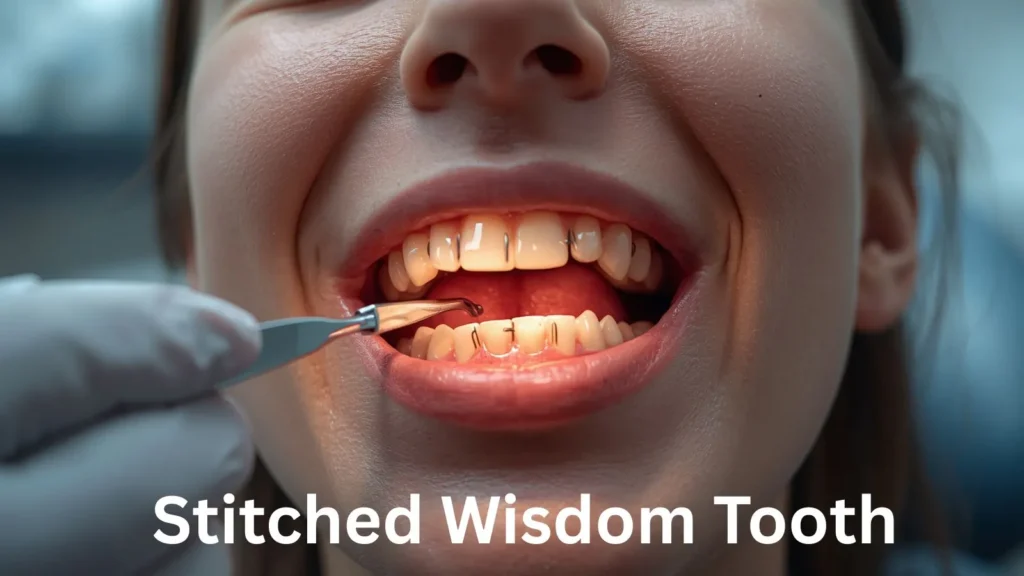
A stitched wisdom tooth can feel strange during the first few days after surgery. The mouth may throb, swell, or taste slightly metallic. However, stitches are a normal part of wisdom tooth removal and usually help the gum tissue recover faster.
Many people panic when they notice threads inside their mouth after extraction. Fortunately, dental stitches are designed to protect the surgical site while the tissue seals itself naturally. In most cases, recovery moves smoothly with proper aftercare.
|Learn More about: Asparagus Health: Benefits, Uses, and Complete Guide
What Is a Stitched Wisdom Tooth?
A stitched wisdom tooth refers to a wisdom tooth extraction site closed with dental sutures after surgery. Dentists often use stitches when:
- The tooth was impacted
- Gum tissue needed cutting
- Bone removal was necessary
- Bleeding needed better control
- The extraction created a large opening
The stitches hold the gum together while the wound stabilizes.
Simple Healing Diagram
| Healing Stage | What Happens |
|---|---|
| Day 1–2 | Blood clot forms |
| Day 3–5 | Swelling peaks then reduces |
| Week 1 | Gum tissue starts sealing |
| Week 2 | Mild tenderness remains |
| Week 3–4 | Tissue strengthens significantly |
Why Dentists Use Stitches After Wisdom Tooth Removal
Interestingly, not every extraction requires sutures. Oral surgeons decide based on the complexity of the procedure.
Main Benefits of Dental Stitches
- Reduce bleeding
- Protect the blood clot
- Lower infection risk
- Speed tissue repair
- Keep food particles out
- Improve comfort during healing
Additionally, stitches can help prevent painful complications like dry socket.
Types of Wisdom Tooth Stitches
Different suture materials behave differently inside the mouth.
Dissolvable Stitches
These gradually disappear within 1–2 weeks. They are the most common option after wisdom tooth surgery.
Non-Dissolvable Stitches
These require removal by the dentist after several days. They are stronger but less commonly used.
Comparison Table
| Type | Removal Needed | Healing Time |
|---|---|---|
| Dissolvable | No | 7–14 days |
| Non-dissolvable | Yes | 5–10 days |
Symptoms After Getting a Stitched Wisdom Tooth
Some discomfort is completely expected. Nonetheless, symptoms should slowly improve rather than worsen.
Common Symptoms
- Mild bleeding
- Jaw stiffness
- Puffy cheeks
- Tender gums
- Difficulty opening the mouth
- Slight bad breath
- White healing tissue around stitches
These symptoms usually calm down within one week.
Symptoms That May Signal Trouble
- Severe throbbing pain
- Fever
- Yellow discharge
- Persistent bleeding
- Intense swelling after day four
- Foul odor that worsens
Those signs may indicate infection or dry socket.
Causes of Problems With Wisdom Tooth Stitches
Complications sometimes develop because the surgical site is delicate.
Common Causes
Poor Oral Hygiene
Bacteria multiply quickly when the mouth is not cleaned carefully.
Smoking
Tobacco slows blood circulation and weakens tissue repair.
Hard Foods
Crunchy snacks may tear stitches or disturb the blood clot.
Excessive Rinsing
Aggressive swishing can dislodge healing tissue.
Infection
Food debris trapped near the stitches may trigger inflammation.
How a Stitched Wisdom Tooth Heals
Healing occurs in phases rather than overnight.
First 24 Hours
A blood clot forms inside the socket. This clot is extremely important because it shields nerves and bone.
Days 2–3
Swelling and soreness often increase slightly. This stage surprises many patients but remains normal.
Days 4–7
Pain usually decreases noticeably. The gum begins knitting together around the stitches.
Weeks 2–4
Most soft tissue repairs itself. Minor sensitivity may still linger during chewing.
Treatment and Aftercare for a Stitched Wisdom Tooth
Proper aftercare dramatically improves recovery speed.
Essential Recovery Tips
Keep the Area Clean
Rinse gently with warm salt water after 24 hours.
Salt Water Recipe
| Ingredient | Amount |
|---|---|
| Warm water | 1 cup |
| Salt | 1/2 teaspoon |
Avoid forceful gargling.
Use Cold Compresses
Ice packs reduce swelling during the first two days.
Eat Soft Foods
Choose soothing meals like:
- Yogurt
- Mashed potatoes
- Oatmeal
- Soup
- Smoothies
- Scrambled eggs
Stay Hydrated
Drink plenty of water, but avoid straws because suction may disturb the clot.
Take Prescribed Medicines
Pain relievers and antibiotics should be used exactly as instructed.
Foods to Avoid After Wisdom Tooth Surgery
Certain foods can irritate a stitched wisdom tooth.
Avoid These Items
- Chips
- Nuts
- Popcorn
- Spicy foods
- Sticky candy
- Carbonated drinks
- Alcohol
These may reopen the wound or trap particles beneath the stitches.
Side Effects of Wisdom Tooth Stitches
Although dental stitches are generally safe, temporary side effects can occur.
Minor Side Effects
- Gum irritation
- Tight pulling sensation
- Mild swelling
- Slight bleeding
- Temporary jaw discomfort
Rare Complications
- Allergic reaction
- Infection
- Torn stitches
- Delayed healing
Fortunately, severe complications remain uncommon when aftercare instructions are followed carefully.
How Long Do Wisdom Tooth Stitches Last?
Healing times vary slightly from person to person.
Typical Timeline
| Recovery Event | Approximate Time |
|---|---|
| Bleeding stops | 24 hours |
| Swelling improves | 3–5 days |
| Stitches dissolve | 7–14 days |
| Gum mostly healed | 2–3 weeks |
| Full recovery | 1–2 months |
Bone healing underneath the gum takes longer than visible healing.
Practical Tips for Faster Healing
Small habits can make recovery smoother.
Helpful Daily Habits
- Sleep with your head elevated
- Brush gently around the stitches
- Avoid touching the wound
- Rest during the first 48 hours
- Limit strenuous exercise
- Change gauze as directed
Consistency matters more than aggressive cleaning.
When to See a Doctor
Certain symptoms require urgent professional attention.
Contact Your Dentist If You Notice:
- Fever above 101°F
- Severe swelling affecting breathing
- Continuous bleeding
- Pus near the stitches
- Sharp worsening pain
- Stitches falling out too early
- Difficulty swallowing
Prompt treatment can prevent serious infection.
Frequently Asked Questions
How long does a stitched wisdom tooth hurt?
Most discomfort improves within 3–7 days. Mild soreness may continue for two weeks.
Can wisdom tooth stitches fall out early?
Yes. Small pieces sometimes loosen naturally. However, heavy bleeding or opening of the wound should be checked by a dentist.
What do dissolvable stitches look like?
They often appear as tiny white, clear, or purple threads inside the gum.
Is white tissue around wisdom tooth stitches normal?
Yes. White tissue usually represents normal healing fibrin rather than infection.
Can I brush near wisdom tooth stitches?
Yes, but brush gently and avoid direct pressure on the surgical area.
Do wisdom tooth stitches hurt when dissolving?
Usually not. Some people notice mild itching or looseness as the stitches disappear.
Can food get stuck in wisdom tooth stitches?
Yes. Gentle salt-water rinses help remove trapped debris safely.
Short Summary
A stitched wisdom tooth is a normal part of many wisdom tooth surgeries. Stitches help protect the extraction site, reduce bleeding, and support faster healing. Mild swelling, tenderness, and discomfort are common during the first week. However, severe pain, fever, or pus may indicate infection and should be evaluated quickly. Good hygiene, soft foods, hydration, and proper rest usually lead to a smooth recovery.

Michael Anderson is a health content writer covering general wellness topics. He aims to make health information simple and easy to understand.