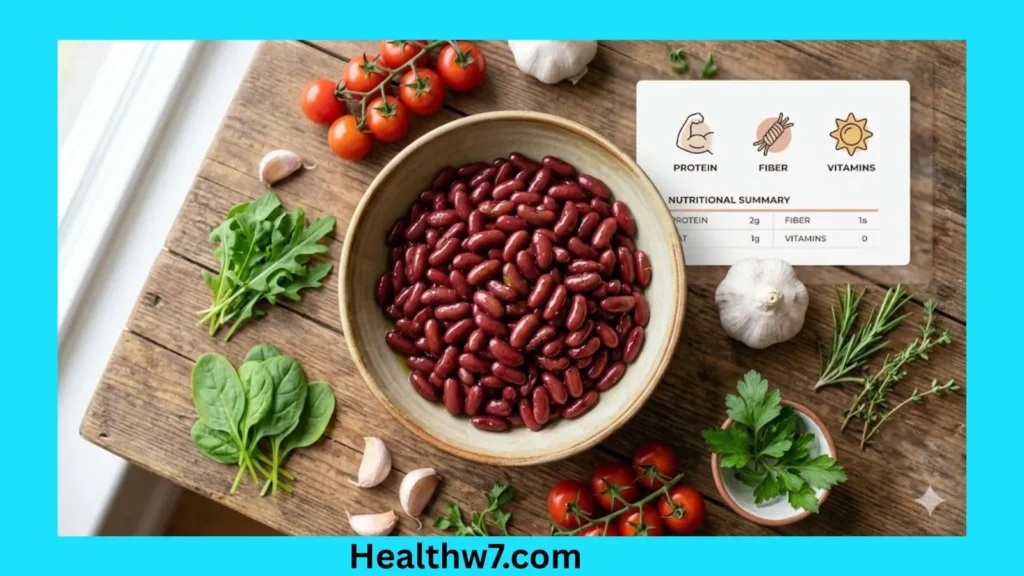
Few pantry staples rival the humble kidney bean in nutritional might. With their deep red hue and dense texture, kidney beans deliver a potent fusion of protein, fiber, and micronutrients. Whether simmered in stews or tossed into salads, kidney beans nutrition offers both culinary delight and physiological reward. Moreover, their affordability makes them accessible to nearly everyone.
In this guide, you will uncover the benefits, uses, safety concerns, and practical tips for adding kidney beans into your diet wisely.
Kidney Beans
Kidney beans are legumes known for their kidney-like shape and firm consistency. They belong to the common bean family and are widely used in global cuisines.
Nutritional Snapshot (Per 100g Cooked)
| Nutrient | Amount |
|---|---|
| Calories | 127 kcal |
| Protein | 8.7 g |
| Carbohydrates | 22.8 g |
| Fiber | 6.4 g |
| Fat | 0.5 g |
| Iron | 2.9 mg |
| Magnesium | 45 mg |
| Folate | 130 mcg |
This nutrient profile highlights why kidney beans nutrition is often praised in healthy diets.
Key Health Benefits of Kidney Beans Nutrition
1. Supports Heart Health
Remarkably, kidney beans contain soluble fiber that helps reduce bad cholesterol levels. Consequently, this lowers the risk of heart disease. Potassium also regulates blood pressure effectively.
2. Aids Digestion
Interestingly, their fiber content promotes smooth digestion. It nourishes gut bacteria and prevents constipation. Over time, this enhances overall gut health.
3. Helps Manage Blood Sugar
Unlike refined carbs, kidney beans digest slowly. Therefore, they prevent sudden blood sugar spikes. This makes them suitable for people managing diabetes.
4. Boosts Energy Levels
Because kidney beans contain iron, they help transport oxygen in the body. As a result, fatigue decreases and energy improves.
5. Supports Weight Management
Surprisingly, kidney beans are both filling and low in fat. Their fiber and protein keep you satisfied longer, reducing unnecessary snacking.
6. Enhances Muscle Growth
Protein-rich foods are essential for muscle repair. Kidney beans provide plant-based protein, making them ideal for vegetarians.
Common Uses of Kidney Beans
Culinary Uses
Kidney beans are versatile and can be used in many dishes:
- Hearty soups and stews
- Rice and bean combinations
- Salads for added protein
- Vegetarian burgers
- Chili recipes
Practical Tips for Cooking
- Always soak dried beans overnight
- Cook thoroughly to remove toxins
- Add spices like cumin for better flavor
- Avoid adding salt early; it hardens beans
Kidney Beans Nutrition Diagram
        Kidney Beans Nutrition
       ------------------------
       | Protein   | Fiber    |
       | Iron      | Folate   |
       | Magnesium | Potassium|
       ------------------------
            ↓ Benefits
   Heart Health | Digestion | Energy
This simple diagram shows how nutrients connect to health benefits.
Safety and Side Effects
Why Proper Cooking Matters
Raw or undercooked kidney beans contain a toxin called phytohaemagglutinin. This compound can cause food poisoning if consumed.
Possible Side Effects
Although nutritious, kidney beans may cause:
- Gas and bloating
- Stomach discomfort
- Allergic reactions (rare)
How to Reduce Side Effects
- Soak beans for 8–10 hours
- Boil for at least 10 minutes
- Start with small portions
Causes of Digestive Issues from Kidney Beans
Digestive discomfort often arises due to:
- High fiber intake suddenly
- Poor cooking methods
- Sensitivity to legumes
However, gradual intake helps the body adapt.
Symptoms of Bean-Related Discomfort
If kidney beans are not prepared properly, symptoms may include:
- Nausea
- Vomiting
- Diarrhea
- Stomach cramps
These symptoms usually appear within a few hours.
Treatment for Mild Reactions
For minor discomfort, simple remedies work well:
- Drink plenty of water
- Rest the digestive system
- Avoid heavy foods temporarily
In severe cases, medical attention is necessary.
When to See a Doctor
Seek medical help if you experience:
- Severe vomiting or diarrhea
- Signs of dehydration
- Persistent abdominal pain
- Allergic reactions like swelling
Timely care prevents complications.
Practical Tips to Add Kidney Beans to Your Diet
Smart Eating Strategies
- Combine with rice for complete protein
- Use in meal prep for convenience
- Pair with vitamin C foods to boost iron absorption
Portion Guidance
Start with half a cup per meal. Gradually increase as your body adjusts.
FAQs
1. Are kidney beans good for weight loss?
Yes, kidney beans nutrition supports weight loss due to high fiber and protein that increase fullness.
|RELATED: Veg Low Carb Diet: Benefits, Foods, and Safe Plan
2. Can I eat kidney beans daily?
Yes, in moderate amounts. Proper cooking is essential for safety.
3. Are canned kidney beans healthy?
Yes, but rinse them to reduce sodium content before use.
4. Do kidney beans help with anemia?
They contain iron, which supports red blood cell production and may help prevent anemia.
5. Can kidney beans cause food poisoning?
Yes, if undercooked. Always cook thoroughly to destroy toxins.
6. Are kidney beans suitable for diabetics?
Yes, they have a low glycemic index and help control blood sugar.
Summary
Kidney beans nutrition offers a remarkable blend of protein, fiber, and essential minerals. They support heart health, digestion, and energy levels. While highly beneficial, proper preparation is crucial to avoid side effects. With simple cooking techniques and mindful portions, kidney beans can become a valuable addition to any healthy diet.
Medical Disclaimer
This article is for informational purposes only and does not replace professional medical advice. Always consult a qualified healthcare provider for dietary or health concerns.

Daniel Carter writes about fitness and healthy living. His goal is to help readers improve their health with simple and effective habits.