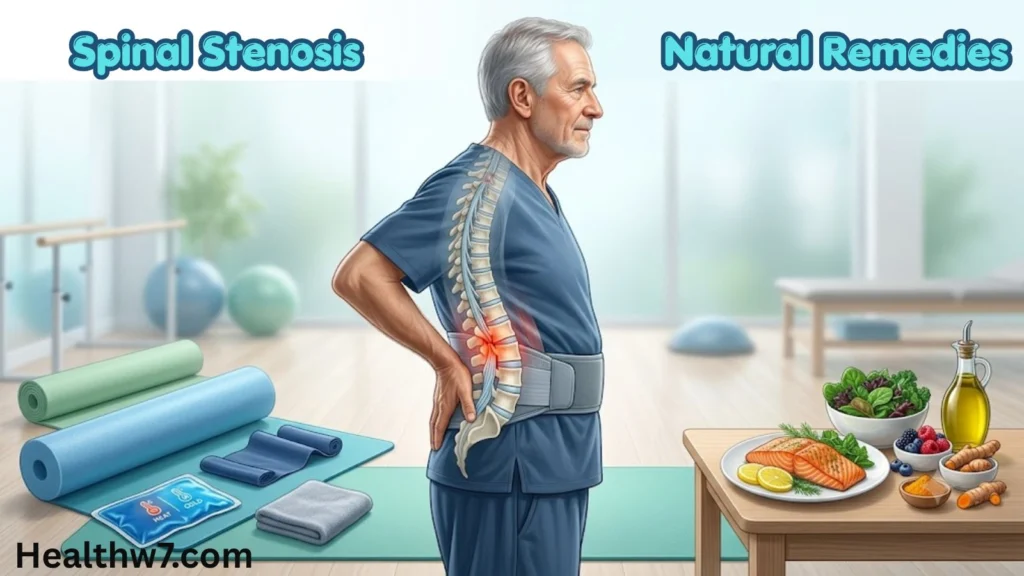
Living with spinal stenosis can turn simple tasks into daily challenges. Walking, standing, or even sleeping may become uncomfortable as pressure builds around the spinal nerves. While medical treatment is often necessary, many people also look for safe, natural ways to reduce pain and improve movement.
Spinal stenosis natural remedies can complement a doctor’s treatment plan by helping reduce inflammation, strengthen supporting muscles, and improve flexibility. Although these remedies cannot reverse spinal narrowing, they may lessen symptoms and improve quality of life when used consistently.
You’ll learn what spinal stenosis is, its causes and symptoms, the most effective natural remedies, treatment options, safety tips, and when it’s time to seek medical care.
What Is Spinal Stenosis?
Spinal stenosis is a condition where the spaces inside the spine become narrower. As these spaces shrink, they place pressure on the spinal cord or nearby nerves.
The condition most commonly affects:
- The lower back (lumbar spinal stenosis)
- The neck (cervical spinal stenosis)
Many people develop spinal stenosis gradually with age, although injuries and certain medical conditions can also contribute.
Learn More: Dumbbell Arm Exercises: Build Strong and Toned Arms
Causes of Spinal Stenosis
Several conditions can narrow the spinal canal over time.
Common causes include:
- Age-related wear and tear
- Osteoarthritis
- Herniated or bulging discs
- Thickened spinal ligaments
- Bone spurs
- Previous spinal injuries
- Congenital spinal narrowing
- Spinal tumors
The risk increases after age 50, especially in people with arthritis or previous back problems.
Symptoms of Spinal Stenosis
Symptoms depend on which part of the spine is affected.
Common symptoms :
- Lower back pain
- Neck pain
- Numbness or tingling in the legs or arms
- Muscle weakness
- Difficulty walking long distances
- Pain that improves when sitting or leaning forward
- Poor balance
- Leg cramps
- Sciatica-like pain
Severe spinal stenosis may affect bladder or bowel control and requires immediate medical attention.
Best Spinal Stenosis Natural Remedies
Natural remedies work best alongside professional medical care rather than replacing it.
1. Gentle Stretching
Regular stretching helps loosen tight muscles surrounding the spine.
Helpful stretches include:
- Knee-to-chest stretch
- Cat-Cow stretch
- Hamstring stretch
- Pelvic tilt
- Child’s Pose
Stretch slowly and stop if pain becomes worse.
Benefit: Improves flexibility and reduces muscle stiffness.
2. Low-Impact Exercise
Movement keeps joints healthy and strengthens muscles that support the spine.
Excellent choices include:
- Walking
- Swimming
- Water aerobics
- Stationary cycling
- Tai Chi
- Yoga for beginners
Aim for about 30 minutes most days, if your healthcare provider approves.
Benefit: Builds strength without placing excessive stress on the spine.
3. Physical Therapy Exercises
A physical therapist can design exercises that improve posture, balance, and core strength.
Common goals include:
- Strengthening abdominal muscles
- Improving spinal alignment
- Increasing flexibility
- Reducing pressure on nerves
Benefit: Better mobility and less pain during daily activities.
4. Anti-Inflammatory Diet
Food plays a surprising role in controlling inflammation.
Choose foods such as:
- Fatty fish
- Olive oil
- Leafy green vegetables
- Berries
- Tomatoes
- Nuts
- Whole grains
- Beans
Limit:
- Sugary drinks
- Processed foods
- Excess alcohol
- Deep-fried foods
A balanced diet also supports healthy body weight, reducing stress on the spine.
5. Maintain a Healthy Weight
Every extra pound increases pressure on the lower back.
Losing even a small amount of weight may help:
- Reduce back pain
- Improve walking ability
- Decrease joint stress
- Improve overall mobility
Healthy eating combined with regular activity offers the best results.
6. Heat and Cold Therapy
Simple home treatments often provide temporary relief.
| Therapy | Best For | How to Use |
|---|---|---|
| Cold packs | Swelling and inflammation | 15–20 minutes |
| Heat packs | Muscle tightness and stiffness | 15–20 minutes |
Alternate between heat and cold if recommended by your healthcare provider.
7. Improve Your Posture
Poor posture places additional strain on the spine.
Helpful habits include:
- Sit with lumbar support
- Keep shoulders relaxed
- Avoid prolonged sitting
- Lift objects correctly
- Sleep on a supportive mattress
Good posture helps reduce unnecessary pressure on spinal nerves.
8. Massage Therapy
Gentle massage relaxes tight muscles and improves circulation around painful areas.
Massage may help:
- Reduce muscle tension
- Improve relaxation
- Ease stiffness
- Promote better sleep
It should not replace medical treatment but may improve comfort.
9. Mind-Body Relaxation
Chronic pain often creates stress, which can worsen muscle tension.
Helpful techniques include:
- Deep breathing
- Meditation
- Guided relaxation
- Mindfulness
- Gentle yoga
These practices may improve pain management and emotional well-being.
10. Natural Anti-Inflammatory Herbs
Some herbs may support overall inflammation control.
Common examples include:
- Turmeric
- Ginger
- Boswellia
- Devil’s claw
Always speak with your healthcare provider before using supplements because they may interact with medications.
Treatment Options for Spinal Stenosis
Natural remedies alone may not control moderate or severe symptoms.
Medical treatments include:
- Physical therapy
- Pain relievers
- Anti-inflammatory medications
- Corticosteroid injections
- Activity modification
- Assistive walking devices
- Surgery for severe nerve compression
Treatment depends on symptom severity and overall health.
Benefits of Spinal Stenosis Natural Remedies
Many natural approaches support overall spine health.
Potential benefits include:
- Less pain
- Better flexibility
- Improved balance
- Stronger core muscles
- Better posture
- Reduced inflammation
- Increased mobility
- Improved quality of life
Consistency matters more than trying many remedies at once.
Safety and Possible Side Effects
Most natural remedies are safe when used properly.
However, keep these precautions in mind:
- Avoid painful or aggressive stretching.
- Stop exercise if symptoms worsen.
- Check with your doctor before taking herbal supplements.
- Some herbs may increase bleeding risk.
- Heat therapy may burn sensitive skin if used too long.
- Massage should be avoided over recent injuries.
Natural treatments should support—not replace—professional medical care.
Practical Tips for Daily Relief
Small daily habits often make the biggest difference.
Try these practical strategies:
- Walk short distances several times daily.
- Avoid standing in one position too long.
- Use supportive shoes.
- Sleep on your side with a pillow between your knees.
- Stretch every morning.
- Stay hydrated.
- Keep a healthy body weight.
- Follow your physical therapy routine consistently.
When to See a Doctor
Seek medical attention if you experience:
- Severe or worsening pain
- Increasing leg weakness
- Difficulty walking
- Loss of bladder or bowel control
- Numbness around the groin
- Pain after a serious injury
- Symptoms that do not improve with home care
Early treatment may prevent permanent nerve damage.
FAQs About
Can spinal stenosis be treated naturally?
Natural remedies can help reduce symptoms, improve movement, and support spinal health, but they cannot reverse spinal narrowing.
What is the best exercise for spinal stenosis?
Walking, swimming, cycling, and guided physical therapy exercises are among the safest options for most people.
Can losing weight help spinal stenosis?
Yes. Maintaining a healthy weight reduces pressure on the spine and may lessen pain.
Is walking good for spinal stenosis?
Yes. Short, regular walks can improve mobility and strengthen muscles, provided symptoms do not worsen.
Which foods help reduce spinal inflammation?
Fatty fish, leafy greens, berries, olive oil, nuts, and whole grains support an anti-inflammatory eating pattern.
Can turmeric help spinal stenosis pain?
Turmeric may have anti-inflammatory properties, but evidence is mixed. Speak with your healthcare provider before using supplements.
Summary
Spinal stenosis natural remedies can play an important role in managing chronic pain and improving everyday function. Gentle exercise, stretching, healthy eating, weight management, posture improvement, and relaxation techniques may reduce discomfort while supporting long-term spine health. Although these methods cannot cure spinal stenosis, they often work well alongside medical treatment. If symptoms become severe or interfere with daily life, consult a healthcare professional promptly.
Medical Disclaimer
This article is for educational purposes only and should not replace professional medical advice, diagnosis, or treatment. Always consult a qualified healthcare provider before starting new exercises, supplements, or treatments for spinal stenosis. Seek immediate medical care if you develop severe weakness, loss of bladder or bowel control, or sudden worsening of symptoms.

Emily Roberts focuses on nutrition and natural remedies. She shares useful health information to promote better living.