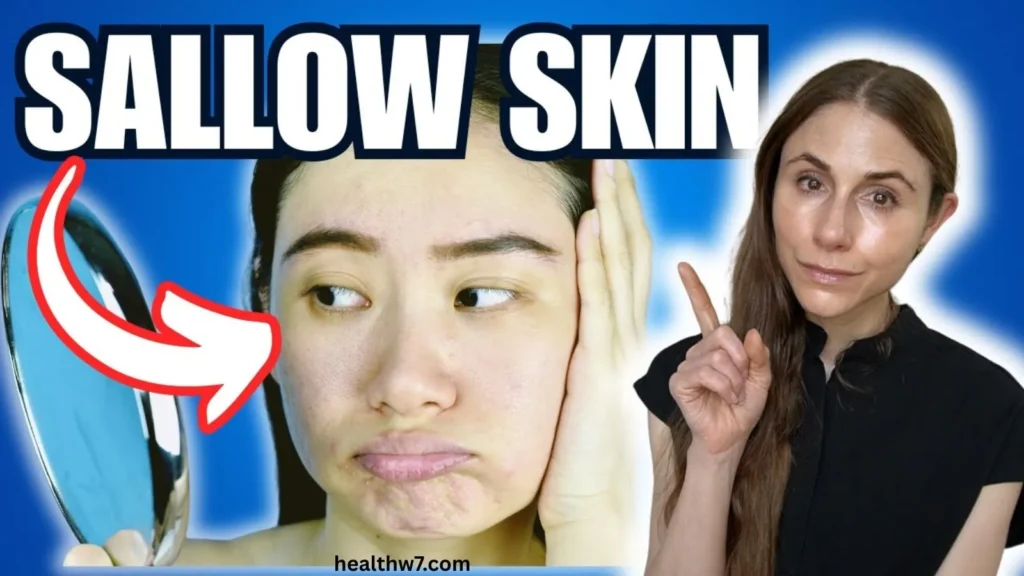
Clammy skin is a health condition where the skin feels damp, cold, and sticky. It may appear unexpectedly and is often accompanied by paleness. While clammy skin can be harmless in some cases, such as sweating from heat or stress, it may also point to underlying medical emergencies. Understanding the causes, symptoms, and treatments of clammy skin is essential for maintaining health and knowing when to seek medical help.
What is cold clammy skin a symptom of
Cold clammy skin can be a symptom of shock, heart problems, or severe infection. It often signals poor blood circulation or low blood pressure. When accompanied by dizziness, chest pain, or confusion, it may indicate a medical emergency requiring immediate professional evaluation.
Clammy skin no fever
Clammy skin without fever often results from anxiety, stress, or hypoglycemia. It may also occur during heat exhaustion or dehydration. While not always serious, persistent clamminess without fever should be monitored, especially if accompanied by weakness, nausea, or fainting.
Clammy skin at night
Clammy skins at night may be linked to night sweats, hormonal changes, or anxiety. It can also occur due to low blood sugar or certain medications. If nighttime clamminess is frequent, it may indicate an underlying condition that requires medical attention.
Clammy skins treatment
Treatment for clammy skins depends on the cause. Mild cases improve with hydration, rest, and cooling down. Severe cases may require IV fluids, antibiotics, or emergency care for shock or heart problems. Identifying the underlying trigger is essential for effective treatment.
Clammy skin: causes
Causes of clammy skin range from mild to serious. Common triggers include heat exhaustion, anxiety, and low blood sugar. More serious causes include shock, sepsis, or cardiac distress. Recognizing the context and accompanying symptoms helps determine whether it is harmless or an emergency.
Clammy skin nausea fatigue
Clammy skins with nausea and fatigue often signals dehydration, low blood sugar, or viral illness. However, when combined with chest pain or confusion, it may indicate heart problems or sepsis. This combination should not be ignored and may require urgent medical evaluation.
What does clammy skin look like
Clammy skins appears pale, cool, and moist to the touch. It often feels sticky or damp, unlike normal sweating. The skin may look slightly grayish or washed out, especially when linked to poor circulation or shock.
Clammy skin when sick
Clammy skin when sick is common during infections, flu, or fever. It may also occur with sepsis or dehydration. While sometimes harmless, clammy skin during illness can indicate worsening health and should be monitored closely, especially if symptoms escalate.
Causes of Clammy Skin
Common Causes
- Heat exhaustion: Overheating leads to sweating and clammy skins.
- Anxiety or panic attacks: Stress triggers sweating and cool skin.
- Hypoglycemia (low blood sugar): Can cause sweating and clamminess.
- Hyperhidrosis: Excessive sweating regardless of temperature.
Serious Causes
- Shock (low blood pressure): A medical emergency requiring immediate care.
- Sepsis (body-wide infection): Can cause clammy skins along with fever and confusion.
- Heart attack or cardiac distress: Clammy skins may accompany chest pain and shortness of breath.
- Internal bleeding: May result in pale, clammy skins due to blood loss.
Symptoms Associated with Clammy Skin
- Cool, moist, and pale skin
- Rapid heartbeat or weak pulse
- Dizziness or fainting
- Nausea and vomiting
- Shortness of breath
- Confusion or altered mental state
Health Perspective
From a health perspective, clammy skins should not be ignored. While mild cases may resolve with rest, hydration, and cooling down, persistent or severe clammy skins often signals a serious condition. For example, clammy skins combined with chest pain may indicate a heart attack, while clammy skins with fever and confusion could suggest sepsis. Therefore, recognizing the context and accompanying symptoms is critical.
Treatment Options
Home Care
- Move to a cool, shaded environment.
- Drink plenty of fluids.
- Rest and reduce stress.
- Take a cool shower to regulate body temperature.
Medical Care
- IV fluids for dehydration or shock.
- Oxygen support for respiratory distress.
- Antibiotics for sepsis.
- Medications to stabilize blood pressure or heart function.
Prevention Tips
- Stay hydrated in hot weather.
- Manage stress and anxiety with relaxation techniques.
- Eat balanced meals to avoid low blood sugar.
- Avoid excessive alcohol or drug use.
- Seek regular medical checkups for heart and thyroid health.
FAQs
1. What does clammy skin feel like?
It feels cool, moist, and sticky, often accompanied by paleness.
2. Is clammy skin always serious?
No, mild cases may result from heat or stress, but persistent clammy skin can indicate emergencies.
3. Can anxiety cause clammy skin?
Yes, anxiety attacks often trigger clammy hands and sweating.
4. Should I see a doctor for clammy skin?
Yes, if it is persistent, severe, or accompanied by chest pain, confusion, or shortness of breath.
5. How is clammy skin treated?
Treatment depends on the cause—hydration for heat exhaustion, antibiotics for sepsis, or emergency care for shock.
6. Can children have clammy skins?
Yes, children may develop clammy skins from fever, dehydration, or stress.
7. What tests are done for clammy skins?
Doctors may order blood tests, ECGs, or imaging to identify underlying causes.
Conclusion
Clammy skin is a condition that can range from harmless to life-threatening. While it may simply result from heat or anxiety, it can also be a warning sign of serious health issues such as shock, sepsis, or cardiac distress. Recognizing the symptoms and understanding when to seek medical help is crucial. Home remedies may help in mild cases, but persistent or severe clammy skin requires professional evaluation. Ultimately, clammy skin serves as a reminder that our body often signals when something is wrong, and timely attention can make all the difference.

Daniel Carter writes about fitness and healthy living. His goal is to help readers improve their health with simple and effective habits.