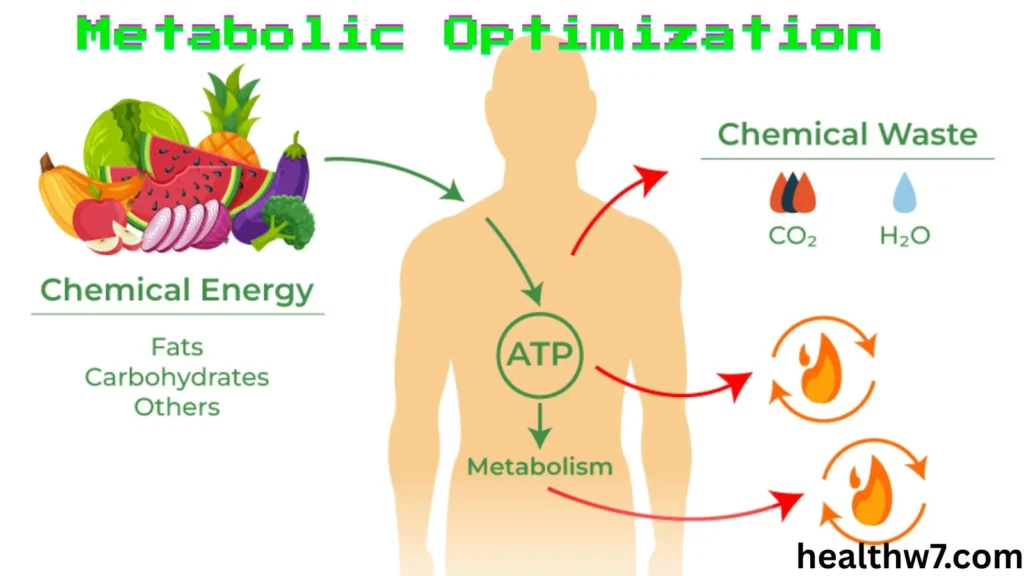
Metabolic optimization is the process of improving how the body converts food into energy, balances hormones, and maintains overall health. In today’s fast-paced world, many people struggle with fatigue, weight management, and chronic conditions that are linked to poor metabolic function. By focusing on metabolic optimization, individuals can enhance energy levels, support healthy weight, and reduce the risk of disease.
What Is Metabolic Optimization?
Metabolic optimization refers to strategies that improve the efficiency of the body’s metabolism. It involves balancing nutrition, exercise, sleep, and stress management to ensure the body’s systems work harmoniously. A well-optimized metabolism supports energy production, cellular repair, and hormone regulation.
Benefits of Metabolic Optimization
1. Increased Energy
A balanced metabolism ensures that nutrients are converted into usable energy efficiently, reducing fatigue.
2. Weight Management
Optimizing metabolism helps regulate appetite and supports fat burning.
3. Hormonal Balance
Stable metabolic function improves insulin sensitivity and supports thyroid health.
4. Disease Prevention
A healthy metabolism lowers the risk of diabetes, cardiovascular disease, and obesity.
5. Improved Mental Clarity
Balanced blood sugar and nutrient absorption enhance focus and cognitive performance.
Foods that increase metabolism and burn fat
Certain foods naturally stimulate metabolism and promote fat burning. Examples include lean proteins like chicken and fish, spicy foods such as chili peppers, and fiber‑rich vegetables. Green tea and coffee also boost thermogenesis, helping the body burn more calories. Incorporating these foods supports metabolic optimization and weight management.
Control Metabolic Optimization InfiniWell
InfiniWell is a health platform that emphasizes personalized metabolic optimization. By using advanced diagnostics, wearable integration, and AI‑driven insights, InfiniWell helps individuals monitor glucose levels, sleep patterns, and nutrient intake. This technology‑based approach allows users to control metabolic optimization with tailored strategies for long‑term health improvement.
5 Superfoods to Boost Metabolism
Five superfoods that enhance metabolism include:
- Green tea – rich in catechins that increase fat oxidation.
- Chili peppers – capsaicin raises calorie burn.
- Salmon – omega‑3s improve metabolic efficiency.
- Quinoa – high in protein and fiber for sustained energy.
- Blueberries – antioxidants reduce oxidative stress and support cellular health.
What foods speed up female metabolism
For women, foods that support hormonal balance and metabolism include leafy greens, lean proteins, nuts, seeds, and whole grains. Iron‑rich foods like spinach and lentils help combat fatigue, while calcium‑rich options such as yogurt support bone health. These foods collectively speed up female metabolism and improve energy levels.
Supplements to boost metabolism
Supplements like green tea extract, caffeine, L‑carnitine, and vitamin B complex are often used to enhance metabolism. Magnesium and zinc also play roles in energy production. However, supplements should complement a balanced diet and lifestyle, not replace them. Consulting a healthcare professional ensures safe and effective use.
How to increase metabolism without exercise
Metabolism can be improved without exercise by focusing on diet, hydration, and sleep. Eating protein‑rich meals, drinking plenty of water, and maintaining consistent sleep cycles all support metabolic health. Stress management techniques like meditation also reduce cortisol, which otherwise slows metabolism.
What to eat to increase metabolism
To increase metabolism, prioritize foods high in protein, fiber, and healthy fats. Eggs, legumes, nuts, and whole grains stabilize blood sugar and promote energy efficiency. Hydrating with water and consuming antioxidant‑rich fruits further enhance metabolic function. Balanced meals are key to sustaining long‑term metabolic optimization.
How to improve metabolism medicine
Medical approaches to improving metabolism may include thyroid hormone therapy for hypothyroidism, insulin management for diabetes, or prescription medications that regulate appetite and energy use. These treatments are tailored to individual health conditions and must be supervised by healthcare professionals to ensure safety and effectiveness.
Risks and Challenges
- Poor diet choices: High sugar and processed foods disrupt metabolism.
- Sedentary lifestyle: Lack of exercise slows metabolic rate.
- Chronic stress: Elevated cortisol interferes with energy balance.
- Sleep deprivation: Poor sleep reduces metabolic efficiency.
- Underlying conditions: Thyroid disorders or insulin resistance complicate optimization.
Technology Perspective
From a technology perspective, metabolic optimization is supported by modern innovations:
- Wearable devices: Track heart rate, sleep, and activity to monitor metabolic health.
- AI-driven apps: Provide personalized nutrition and fitness recommendations.
- Continuous glucose monitors (CGMs): Help individuals understand blood sugar fluctuations.
- Genetic testing: Offers insights into metabolic predispositions.
- Smart scales and trackers: Monitor body composition and progress.
Technology empowers individuals to take control of their metabolism with real-time data and personalized guidance.
How to Achieve Metabolic Optimization
Nutrition
- Eat balanced meals with protein, healthy fats, and complex carbs.
- Avoid processed foods and excess sugar.
- Stay hydrated to support cellular function.
Exercise
- Incorporate strength training to build muscle and boost metabolism.
- Add cardiovascular workouts for endurance and fat burning.
- Practice flexibility and mobility exercises for overall health.
Sleep
- Aim for 7–9 hours of quality sleep.
- Maintain a consistent sleep schedule.
- Limit screen time before bed.
Stress Management
- Practice mindfulness or meditation.
- Engage in hobbies and relaxation techniques.
- Maintain social connections for emotional support.
Signs of Poor Metabolic Health
- Constant fatigue
- Difficulty losing weight
- Frequent sugar cravings
- Mood swings
- Poor sleep quality
- Brain fog
FAQs
1. What is metabolic optimization?
It is the process of improving the body’s metabolism for better energy, weight management, and health.
2. Can metabolic optimization help with weight loss?
Yes, by improving nutrient utilization and fat burning, it supports healthy weight management.
3. How does sleep affect metabolism?
Poor sleep disrupts hormones like insulin and cortisol, slowing metabolic efficiency.
4. Is technology useful for metabolic optimization?
Yes, wearables, apps, and glucose monitors provide valuable insights and personalized guidance.
5. Can stress impact metabolism?
Absolutely, chronic stress elevates cortisol, which interferes with energy balance and fat storage.
6. What foods support metabolic optimization?
Lean proteins, whole grains, healthy fats, and antioxidant-rich fruits and vegetables.
7. How long does it take to optimize metabolism?
Results vary, but consistent lifestyle changes can show improvements within weeks to months.
Conclusion
Metabolic optimization is a holistic approach to improving energy, weight management, and overall health. By focusing on nutrition, exercise, sleep, and stress management, individuals can enhance metabolic efficiency and reduce the risk of chronic disease. Technology now plays a vital role, offering personalized insights and real-time monitoring. While challenges such as poor diet or stress can hinder progress, consistent lifestyle adjustments make optimization achievable. Ultimately, metabolic optimization is not about quick fixes—it is about long-term health, balance, and vitality. With the right strategies, anyone can unlock the full potential of their metabolism.

Sarah Mitchell is a wellness writer specializing in healthy lifestyle and mental well-being. She provides easy health tips to support daily wellness.